


Navigating the Latest Ford Recall: Ensuring Safety for F-150 Lightning, Maverick Hybrid, and Mustang Mach-E Owners
As an industry veteran with a decade immersed in the automotive landscape, I’ve witnessed firsthand the intricate dance between innovation and the persistent need for stringent safety protocols. The recent Ford recall affecting a significant number of vehicles, including the highly popular F-150 Lightning, Maverick Hybrid, and Mustang Mach-E, underscores a critical aspect of modern vehicle engineering: the paramount importance of transmission integrity. This situation, impacting over 272,000 vehicles, serves as a potent reminder that even the most advanced automotive technologies require rigorous oversight and prompt remediation.
This widespread Ford transmission recall centers on a potential issue with the integrated park module (IPM), a component crucial for ensuring a vehicle remains securely in park. When this module malfunctions, it can prevent the transmission from fully engaging the park gear. This isn’t merely an inconvenience; it’s a serious safety concern that could lead to unintended vehicle movement, or rollaway events, particularly if the electronic parking brake isn’t engaged.
Understanding the F-150 Lightning Recall and Beyond
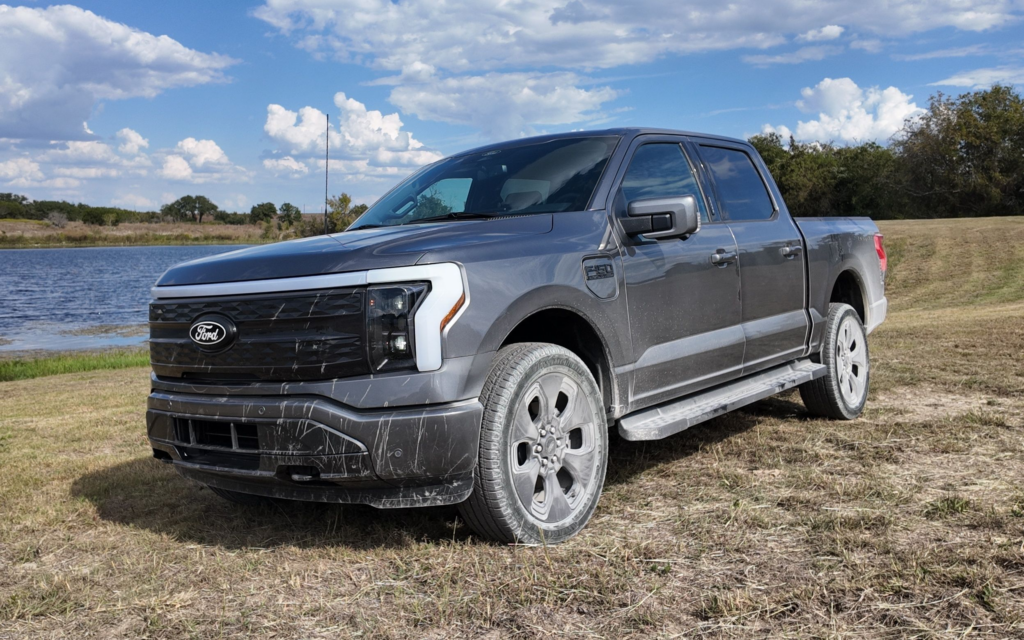
The primary focus of this recall, and indeed the most prominent model affected, is the electric workhorse, the 2022-2026 F-150 Lightning. For owners of this cutting-edge electric pickup, this news might raise particular concern, given its role as a dependable tool for both work and everyday life. The prospect of an F-150 Lightning rollaway risk is not to be taken lightly, and Ford’s proactive approach to addressing this through a recall is commendable.
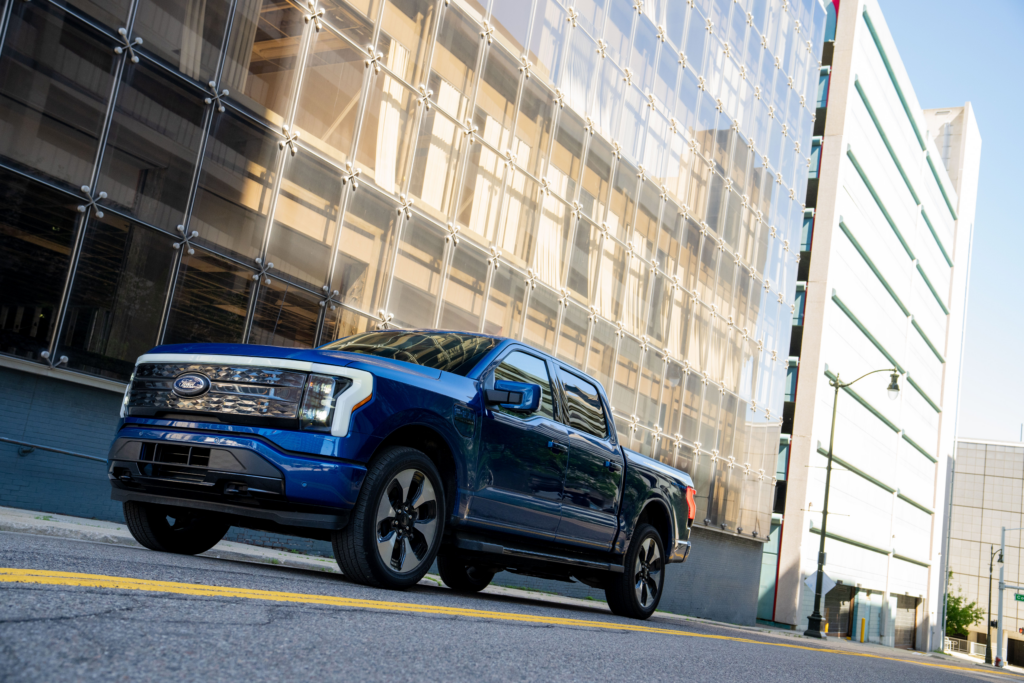
However, the scope of this Ford F-150 Lightning recall extends beyond just the electric pickup. The company has also identified a similar issue in a subset of its 2025-2026 Maverick Hybrid models and 2024-2026 Mustang Mach-E vehicles. This broad reach across different platforms – from the rugged efficiency of the Maverick Hybrid to the performance-oriented Mustang Mach-E – highlights the systemic nature of the potential IPM fault within Ford’s manufacturing and supply chain.
Delving into the Technical Nuances of the Ford Recall
At the heart of this Ford F-150 Lightning recall and its sibling recalls lies a potential binding issue within the IPM. According to documentation filed with the National Highway Traffic Safety Administration (NHTSA), the IPM’s pawl, a critical locking mechanism, can bind against its slider. This mechanical impediment can prevent the transmission from achieving a complete and secure park engagement.
What are the observable symptoms that an owner might notice if their vehicle is affected? Ford indicates that in such instances, drivers may not see the illuminated gear selection indicator as expected. Instead, the gauge cluster might display a wrench light and a fault message pertaining to the shift system. These visual cues are vital warning signs that demand immediate attention. The absence of a fully engaged park mechanism, coupled with the potential for the electronic parking brake to fail in its automatic engagement upon shifting to park, creates a precarious situation. This is especially true if a driver manually disengages the parking brake, a scenario that could lead to an unintended Ford vehicle rollaway.
The implications of such a rollaway event are significant. While Ford states it is not aware of any reported accidents or injuries directly resulting from this specific IPM issue to date, the potential for harm to property and individuals is undeniable. This underscores the urgency with which this Ford transmission safety issue needs to be addressed.
Navigating the Remediation Process: OTA Updates and Dealer Support
Fortunately, Ford is not leaving owners in the dark. The automaker has committed to a swift and efficient resolution, primarily through a forthcoming over-the-air (OTA) software update. This technology, a hallmark of modern connected vehicles, allows manufacturers to remotely deploy software fixes directly to a vehicle’s systems. For owners of affected Ford EVs and hybrids, this means a potential solution can be delivered without the need for a physical visit to a service center, significantly minimizing disruption.
The deployment of this critical Ford software update recall is being managed with specific timelines. Ford dealers are slated to receive notification regarding the recall and the necessary procedures by January 26, 2026. Subsequently, vehicle owners will be formally notified by mail by May 12, 2026. This phased approach ensures that dealerships are prepared to assist and that owners receive comprehensive information about the recall and the remedy.
For those who prefer a hands-on approach or whose vehicles might not be ideally situated for an immediate OTA update, Ford is also offering the option of a free-of-charge update at any local Ford or Lincoln dealership. This dual approach caters to a wider range of customer preferences and technological accessibility, ensuring that all affected owners can have their vehicles safely serviced.
Beyond the Recall: The Evolving Landscape of Automotive Safety
This Ford F-150 Lightning recall is more than just a singular event; it’s a reflection of the broader challenges and advancements in automotive safety engineering. As vehicles become increasingly complex, integrating sophisticated software with robust mechanical systems, the potential for unforeseen issues does arise. The Ford F-150 Lightning safety update is a prime example of how manufacturers are leveraging technology to proactively address these challenges.
The industry is continuously pushing the boundaries of what’s possible, with innovations like advanced driver-assistance systems (ADAS), sophisticated infotainment, and, of course, the burgeoning electric vehicle (EV) and hybrid markets. The F-150 Lightning, as a flagship electric truck, represents a significant leap forward for Ford in the EV space. Similarly, the Maverick Hybrid champions fuel efficiency in a popular compact truck segment, and the Mustang Mach-E offers an electrifying take on a performance icon. These vehicles are at the forefront of automotive evolution, and ensuring their safety is paramount to fostering consumer confidence in these transformative technologies.
For those seeking more information or to ascertain if their specific vehicle is part of this Ford transmission defect recall, contacting their local Ford dealership or visiting the official Ford website are the most reliable next steps. Furthermore, NHTSA’s website provides a public portal where consumers can check for open recalls using their vehicle identification number (VIN).
Proactive Ownership in the Age of Connected Vehicles
The current Ford F-150 Lightning recall notice and the broader implications for the Maverick Hybrid and Mustang Mach-E are a stark reminder for all vehicle owners to stay informed. The era of connected vehicles means that critical safety information can be disseminated rapidly. Engaging with these communications, understanding the nature of the recall, and taking timely action are crucial responsibilities of modern vehicle ownership.
The automotive industry’s commitment to safety is an ongoing journey. While recalls, like this one concerning the Ford IPM issue, can be unsettling, they are an integral part of a robust safety ecosystem. They reflect a commitment to continuous improvement and a dedication to ensuring that the vehicles we rely on for our daily lives are as safe as they can possibly be.
For owners of the F-150 Lightning, Maverick Hybrid, or Mustang Mach-E, the message is clear: stay informed, be aware of the potential indicators, and engage with the provided solutions. Whether through an over-the-air update or a dealership visit, addressing this transmission concern is essential for continued safe operation.
Taking the Next Step: Ensuring Your Vehicle’s Safety
If you own a 2022-2026 F-150 Lightning, a 2025-2026 Maverick Hybrid, or a 2024-2026 Mustang Mach-E, we urge you to proactively check for any specific recall notifications related to your vehicle. Visit the official Ford website or contact your local Ford dealership for the most accurate and up-to-date information. Don’t delay in scheduling any necessary software updates or service appointments to ensure your peace of mind and the safety of everyone on the road. Your commitment to addressing these important safety bulletins is a vital step in maintaining the integrity and security of your vehicle.