



The Evolving Landscape of Electric Truck Power: Ford’s Strategic Shift Towards Extended-Range Electrification
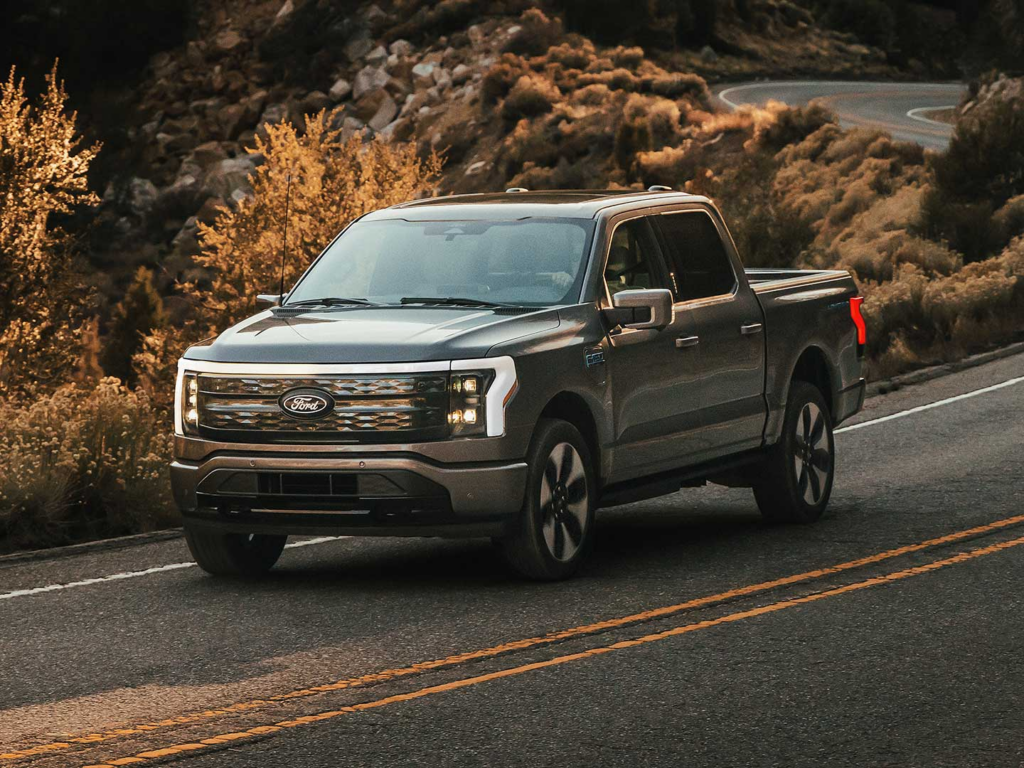
The automotive industry, particularly the truck segment, is in a state of profound transformation. For years, the pursuit of the all-electric pickup truck has been a central narrative, driven by technological advancements and a growing environmental consciousness. However, the reality of consumer adoption, infrastructure limitations, and evolving market demands has necessitated a recalibration of strategies. This is precisely the juncture at which Ford finds itself, making a significant strategic pivot with its iconic F-Series lineup, specifically moving away from a purely battery-electric F-150 Lightning to a more versatile, extended-range electric vehicle (EREV) platform. This move, while signaling the end of the current iteration of the all-electric F-150 Lightning, heralds a new era of electrified trucks designed to meet a broader spectrum of customer needs and market realities.
For a decade, I’ve navigated the intricate world of automotive product development and market analysis, witnessing firsthand the ambitions and challenges associated with bringing groundbreaking technologies to market. The initial enthusiasm for fully electric trucks, while commendable, has encountered a series of practical hurdles. Consumers are increasingly vocal about range anxiety, charging availability, and, critically, affordability. The F-150 Lightning, a trailblazer in its own right, has faced these very challenges. While its innovation was undeniable, its sales trajectory and the broader market sentiment have prompted Ford to re-evaluate its approach, aligning its product roadmap with what customers demonstrably want and can realistically adopt today.
This strategic shift is not an isolated incident but rather a reflection of a wider industry trend. Competitors, notably Stellantis with its Ram brand, have undertaken similar re-evaluations. Ram initially planned for both a purely electric (REV) and an extended-range electric vehicle (EREV) model. However, observing the market’s hesitancy towards fully electric trucks, they wisely concentrated their efforts on the Ramcharger EREV. Ford’s decision to follow a comparable path, focusing on an EREV for its next-generation F-150, is a pragmatic response to the current market climate. This signifies a departure from what was predicted five years ago to what is empirically evident in the market today.
The term “EREV,” or Extended-Range Electric Vehicle, is crucial here. Unlike a traditional hybrid that uses its gasoline engine to directly power the wheels, an EREV employs the internal combustion engine solely as a generator to recharge the battery. This allows the vehicle to operate on electric power for extended periods, offering a familiar driving experience with the benefit of zero tailpipe emissions during its electric-only operation. When the battery charge is depleted, the gasoline engine seamlessly kicks in to generate electricity, eliminating the range anxiety associated with pure EVs and providing a substantial driving range without the need for frequent charging stops. This is a critical distinction and a key factor in addressing consumer concerns.
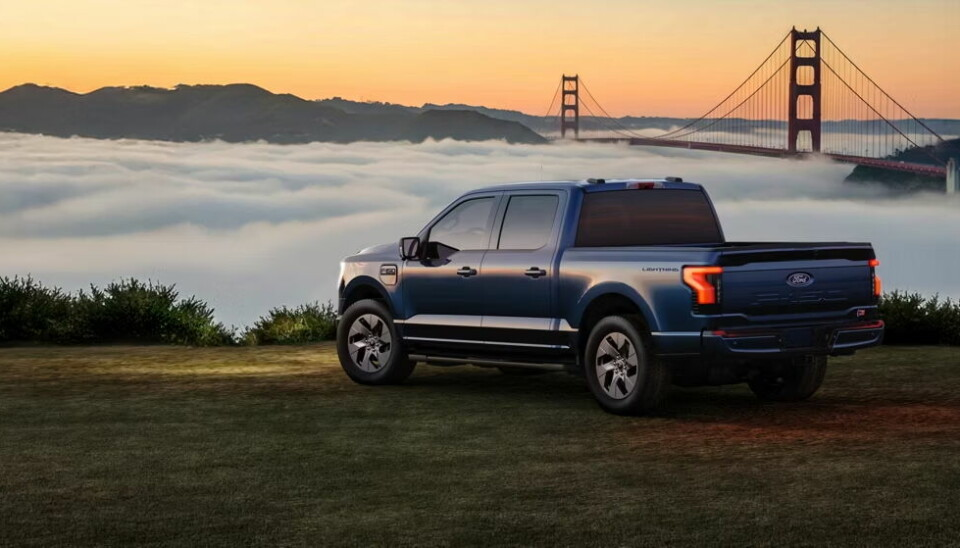
Andrew Frick, President of Ford Blue and Ford Model e, has articulated this shift as “customer driven,” emphasizing Ford’s commitment to aligning with current market realities rather than aspirational five-year-old projections. The core message is clear: customers are demanding vehicles that are not only technologically advanced but also affordable and capable of meeting their diverse lifestyle needs. This has led to the ambitious target for the next-generation F-150 EREV: a remarkable projected range exceeding 700 miles. This figure dramatically alleviates range anxiety and positions the vehicle as a compelling option for long-haul trucking, extensive towing, and daily commuting without the constant need for charging infrastructure.
The financial implications of such a strategic pivot are significant. Ford is reportedly investing substantially in this transition, underscoring the seriousness of its commitment to the EREV architecture. This investment is not just about retooling production lines; it’s about a fundamental rethinking of their electrification strategy. The development of a next-generation pure EV Lightning was well underway, and redirecting resources and development efforts towards the EREV platform represents a considerable financial undertaking, estimated at $19.5 billion. However, the potential payoff lies in capturing a larger market share by offering a product that resonates more strongly with the current demands of truck buyers in markets like Chicago, Dallas, and Phoenix.
Beyond the F-150, Ford’s vision extends to a broader family of more affordable EVs, with a small pickup slated to be the first model introduced in 2027. This indicates a long-term commitment to electrification, but with a phased and adaptable approach. By 2030, Ford anticipates that hybrids, EREVs, and pure EVs will constitute half of its global sales volume, a significant increase from the current 17 percent. Crucially, this projected lineup is expected to be profitable, a testament to the strategic adjustments being made to ensure commercial viability alongside environmental responsibility.
One of the most intriguing aspects of Ford’s evolving strategy is its entry into the battery storage business. Instead of allowing its joint-venture battery plants in Kentucky and Michigan to become idle, Ford plans to leverage these facilities and their intellectual property to produce LFP (lithium iron phosphate) batteries. These batteries will not only power future vehicles but will also be utilized for grid-scale energy storage solutions. This move capitalizes on the burgeoning demand from data centers and other utility customers seeking reliable and sustainable energy storage. It’s a forward-thinking approach that transforms potential liabilities into new revenue streams and positions Ford as a significant player in the broader energy ecosystem.
This diversification also has implications for the workforce. While the transition will involve some layoffs for current battery joint-venture employees, particularly at the Kentucky battery plant (approximately 1,600 workers), Ford plans to hire around 2,100 new employees to manage the production of 20-GWh storage systems commencing in 2027. Similar adjustments are planned for the Marshall, Michigan, plant. This strategic redeployment of resources and personnel highlights Ford’s commitment to adapting its operations to meet future market demands.
The future of Ford’s truck and van offerings is robust. The Ohio plant, responsible for commercial vans, will see job growth and the introduction of new gasoline and hybrid van models. This indicates that while electrification is a primary focus, Ford is not abandoning its traditional powertrains entirely, especially in the commercial segment where reliability and specific operational needs often dictate powertrain choices. At the Blue Oval plant in Kentucky, the focus will be on producing gasoline-powered F-Series trucks alongside a new, smaller, and more affordable pickup. This tiered approach to product development ensures that Ford can cater to a wide range of customer preferences and price points across its extensive truck portfolio.
The implications of this strategic recalibration are far-reaching. For consumers seeking a capable and versatile truck that can handle daily driving and long-distance adventures without the limitations of current EV charging infrastructure, the upcoming 700-mile range F-150 EREV presents a compelling solution. For the automotive industry, it underscores the importance of market responsiveness, adaptability, and a clear understanding of consumer behavior in the age of evolving powertrains. Ford’s bold move to embrace extended-range electrification, coupled with its ventures into energy storage, positions the company to navigate the complexities of the automotive transition and emerge as a leader in this dynamic landscape.
This isn’t merely about a change in powertrain; it’s a fundamental redefinition of what an electrified truck can and should be in the current market. By prioritizing range, affordability, and versatility, Ford is betting on a strategy that directly addresses the most significant barriers to widespread EV adoption in the truck segment. The success of this new direction will undoubtedly be closely watched by the entire industry as manufacturers continue to grapple with the best path forward in the electrifying automotive future.