



The Future of the Ford F-150 Lightning: A Strategic Shift to Extended-Range Electrics
The automotive landscape is in constant flux, and no manufacturer exemplifies this more than Ford. In a significant strategic maneuver, Ford is revamping its approach to electrified trucks, signaling a departure from the purely battery-electric F-150 Lightning as we currently know it. This isn’t an end, but rather a profound evolution, driven by market realities and a keen understanding of consumer demand. The upcoming generation of the F-150 Lightning is set to embrace a more versatile powertrain, aiming to deliver unparalleled range and capability, a move that echoes the strategic pivots seen from competitors like Ram.
For a decade, I’ve navigated the intricate currents of the automotive industry, observing firsthand the ambitious promises and the often-harsh realities of new technology adoption. The initial vision for a fully electric F-150 Lightning, while groundbreaking, has encountered significant headwinds. The market for all-electric pickup trucks, as evidenced by early sales figures and industry-wide production adjustments, has proven to be more nuanced and demanding than initially forecast. Ford’s decision to cease production of the current Lightning at the Rouge plant, reallocating its capacity to internal combustion engine (ICE) F-Series production, was not a temporary halt but a precursor to a permanent shift.
The core of this transformation lies in the adoption of an Extended-Range Electric Vehicle (EREV) architecture. This innovative hybrid approach will see an internal combustion engine act solely as a generator, supplementing the electric powertrain. This isn’t a step back, but a pragmatic leap forward, providing an EREV F-150 that promises an astonishing 700-mile range. While production timing for this new iteration is still under wraps, its eventual assembly in Dearborn signifies a long-term commitment to this EREV strategy.
This strategic realignment bears a striking resemblance to the approach taken by Stellantis with its Ram brand. Initially, Ram had ambitious plans for both a pure battery-electric REV and an EREV, the Ramcharger. However, observing the market’s hesitations regarding fully electric trucks, Ram made the astute decision to concentrate its efforts and resources on the Ramcharger EREV. Ford is now mirroring this successful strategy, albeit with a more substantial investment given the Lightning’s prior market introduction and advanced development of its next-generation EV successor. This pivot represents a significant financial undertaking, with Ford acknowledging a substantial expenditure.
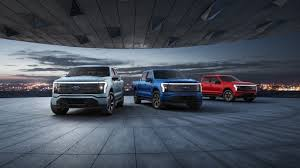
The implications of this shift extend beyond the F-150. Volkswagen’s burgeoning Scout brand is also charting a course towards EREV technology for its upcoming trucks and SUVs, further validating this market trend. Andrew Frick, President of Ford Blue and Ford Model e, emphasizes that this strategic recalibration is fundamentally customer-driven. “We are looking at the way the market is today, not what was predicted five years ago,” Frick states. “Customers today want vehicles that are affordable and provide the range they need for their lifestyle and needs.” This customer-centric philosophy is the bedrock upon which the 700-mile range EREV F-150 is being built, alongside a broader commitment to affordability in Ford’s future EV lineup.
By 2027, Ford is set to roll out a family of more affordable EVs, with a compact pickup truck slated to be the inaugural model. This comprehensive electrification strategy is projected to see hybrids, EREVs, and pure EVs constitute half of Ford’s global sales volume by 2030, a significant leap from the current 17 percent. Crucially, this expanded lineup is projected to be profitable.
Expanding the Horizon: Battery Storage and Diversified Production
The pursuit of profitability extends beyond vehicle sales. Ford is strategically entering the battery storage solutions market. Instead of leaving its joint-venture battery plants in Kentucky and Michigan idle, the company plans to leverage these facilities and their licensing agreements to produce Lithium Iron Phosphate (LFP) batteries. This move capitalizes on the burgeoning demand for energy storage, particularly from data centers and other grid-level customers. These plants were originally earmarked for producing batteries for the next generation of large electric vehicles, a program now discontinued.
This strategic pivot will necessitate workforce adjustments. While there will be initial layoffs for some battery joint-venture employees, including a significant number at the Kentucky 1 battery plant, Ford plans to rehire approximately 2,100 workers to commence the shipping of 20-GWh storage systems in 2027. A similar plan is in motion for the Marshall, Michigan, plant. This forward-thinking approach ensures that Ford’s substantial investments in battery technology are not wasted but rather repurposed to serve evolving market needs.
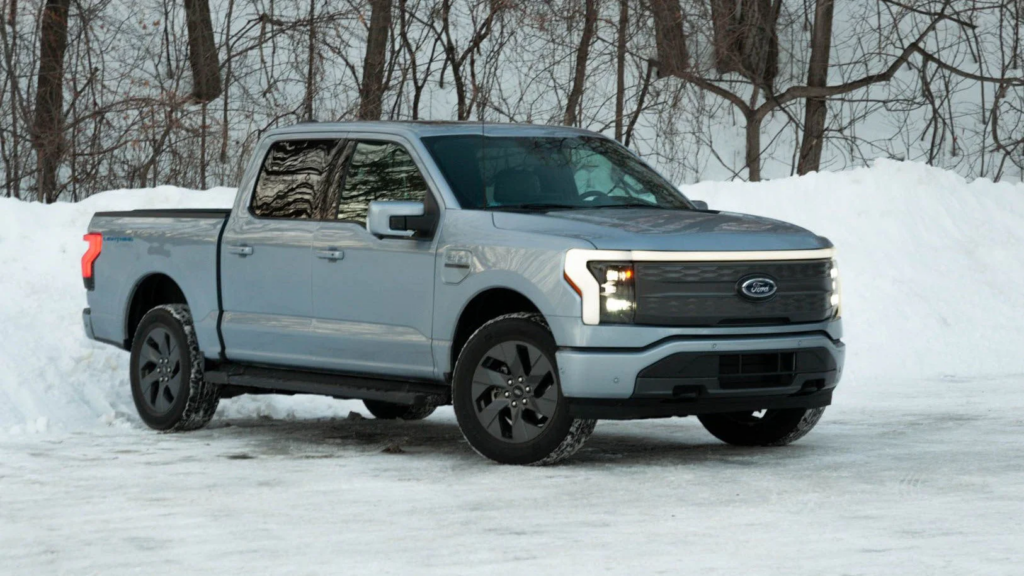
Furthermore, Ford’s product pipeline will continue to expand with a focus on trucks, SUVs, and vans. The Ohio plant, responsible for manufacturing commercial vans, will see job creation and the introduction of new gasoline and hybrid van models. At the Blue Oval plant in Kentucky, the revised strategy involves producing gasoline-powered F-Series trucks alongside a new, more compact, and affordable pickup truck. This multifaceted approach underscores Ford’s commitment to serving a diverse range of customer needs and market segments.
Navigating the Evolving EV Landscape: Key Considerations for Consumers and Industry
The automotive industry’s journey into electrification is not a straight line but a dynamic evolution. Ford’s strategic shift towards EREVs reflects a mature understanding of the current market’s practical demands, especially for a vehicle segment as critical as pickup trucks. For consumers, this translates into a more accessible path towards electrified ownership, offering the benefits of electric propulsion without the limitations of range anxiety or extensive charging infrastructure dependency.
The extended-range electric vehicle (EREV) market is rapidly gaining traction, driven by several key factors. Firstly, the cost of electric vehicles remains a significant barrier for many potential buyers. EREV technology allows manufacturers to offer a more palatable price point by incorporating a smaller, more efficient battery pack, supplemented by a gasoline generator. This makes electrified powertrains a realistic option for a broader segment of the population, including those in rural areas or those who frequently undertake long journeys.
Secondly, charging infrastructure continues to be a concern, particularly for heavy-duty applications like towing and hauling, which are core to the F-150’s appeal. While charging networks are expanding, the convenience and ubiquity of gasoline refueling stations remain unparalleled. EREVs bridge this gap by providing the best of both worlds: the ability to operate on electric power for daily commutes and shorter trips, while retaining the flexibility to refuel with gasoline for extended excursions or when charging options are limited. This hybrid electric truck approach addresses a critical consumer pain point.
The future of electric trucks hinges on finding a balance between technological advancement, affordability, and practicality. Ford’s commitment to developing a 700-mile range truck is a bold statement of intent. This level of range, previously unattainable for most EVs, opens up new possibilities for truck owners, from long-distance towing of RVs and boats to cross-country road trips without the constant worry of finding a charging station. This significantly enhances the utility and desirability of electric pickups for a wider audience, particularly those in states like Texas, California, or Florida where long drives are common.
Furthermore, the inclusion of LFP battery technology for energy storage is a significant development. LFP batteries are generally more affordable, safer, and have a longer lifespan than traditional lithium-ion chemistries. Their adoption by Ford for both vehicle applications and grid-scale storage demonstrates a strategic approach to optimizing costs and performance across their entire energy ecosystem. This move also positions Ford as a key player in the renewable energy solutions sector.
The Ford F-150 Lightning replacement is not merely a new model; it’s a strategic reassessment of how to bring the benefits of electrification to the mainstream truck market. This is about leveraging proven technologies in innovative ways to meet evolving consumer expectations. The inclusion of advanced hybrid technology in the next-generation F-150 is likely to appeal to a broader customer base than the purely electric model, especially for those who need the rugged capability and versatility that the F-150 is renowned for.
For industry observers and potential buyers, the key takeaway is that electrification is not a monolithic concept. Manufacturers are exploring diverse pathways to achieve their sustainability goals while remaining commercially viable and meeting consumer demands. The rise of EREVs signals a pragmatic approach, acknowledging that the optimal solution for one segment or consumer may differ from another. This diversity in approach is ultimately beneficial for the entire electric vehicle market.
As the automotive industry continues its transition, a clear understanding of the different electrified powertrains—pure EVs, EREVs, and traditional hybrids—is crucial. Ford’s calculated decision to focus on EREVs for its next-generation F-150 underscores the importance of market intelligence and adaptability. The company’s commitment to affordability and extended range for its upcoming new hybrid F-150 is a testament to its dedication to serving the core F-150 customer while embracing a more sustainable future.
The impact of these decisions will reverberate throughout the industry. Competitors will undoubtedly be watching closely, and the success of Ford’s EREV strategy could influence future product development across the board. The pursuit of a 700-mile range truck is a significant benchmark, and its achievement will undoubtedly set new expectations for what consumers can demand from electrified pickup trucks.
In conclusion, Ford’s strategic pivot towards an Extended-Range Electric Vehicle (EREV) powertrain for the next generation of the F-150 Lightning represents a thoughtful and customer-centric evolution. By embracing a hybrid approach that emphasizes an astounding 700-mile range and greater towing capability, Ford is addressing key consumer concerns regarding affordability and charging infrastructure. This move, coupled with its entry into the battery storage business and a broader commitment to affordable EVs, positions the company for sustained profitability and leadership in the evolving automotive landscape.
The future of electrified trucks is not a one-size-fits-all solution, but a tapestry of innovative powertrains designed to meet diverse needs. Ford’s vision for its next-generation F-150 is a prime example of this adaptive strategy, promising a powerful, capable, and incredibly far-reaching vehicle for the modern era.
Are you ready to explore the future of trucking and discover how extended-range electric power can transform your driving experience? Visit your local Ford dealership or explore Ford’s official website to learn more about the upcoming advancements and how they align with your transportation needs. The road ahead is electrified, and Ford is paving the way with innovation and practicality.