



The Future of the F-150 Lightning: A Strategic Pivot to Extended-Range Electrification and a 700-Mile Powertrain
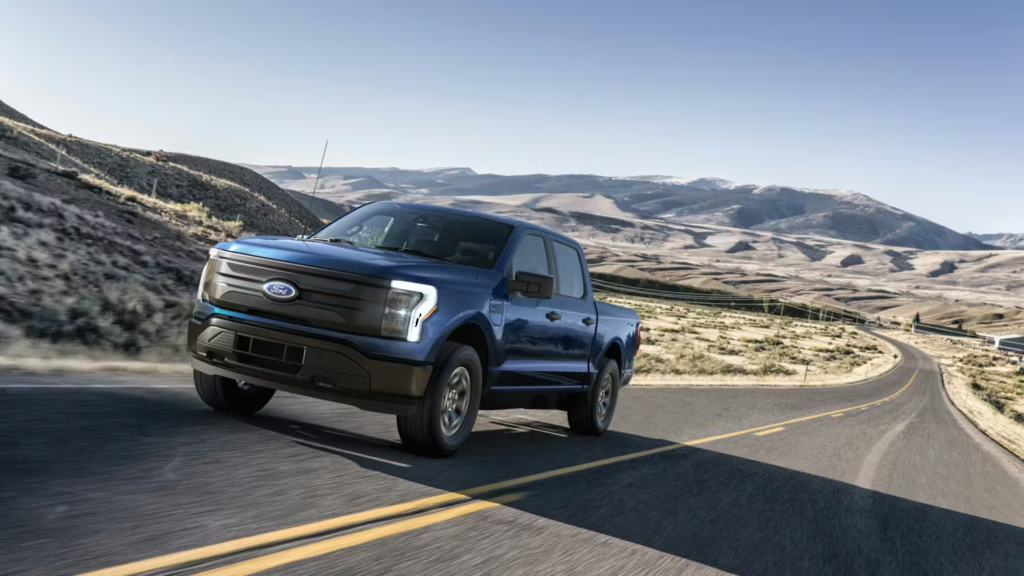
In a significant strategic realignment that underscores the evolving landscape of the automotive industry, Ford is set to revolutionize its F-150 Lightning lineup. The once purely electric pickup truck, a symbol of Ford’s commitment to an all-electric future, is undergoing a profound transformation. The next generation of this iconic truck will feature an innovative extended-range electric vehicle (EREV) powertrain, designed to deliver an unparalleled driving experience with over 700 miles of total range. This strategic pivot, spearheaded by Ford leadership, represents a clear acknowledgment of current market demands and a proactive approach to future vehicle development, particularly in the crucial pickup truck segment.
For a decade, the industry has debated the viability of pure electric trucks versus hybrids and EREVs. While early adopters embraced the zero-emission promise of battery-electric vehicles (BEVs), the realities of charging infrastructure, range anxiety, and consumer affordability have presented significant hurdles. Ford’s decision to shift away from the current F-150 Lightning as a fully electric model and toward an EREV is a calculated response to these market dynamics. Production of the current all-electric F-150 Lightning has already ceased, with the Rouge plant, originally earmarked for next-generation EVs, now dedicated to producing internal combustion engine (ICE) F-Series trucks. This isn’t a temporary measure, but a definitive shift toward a more pragmatic and customer-centric electrification strategy.
The newly envisioned F-150 Lightning will operate as an EREV, a system where an internal combustion engine acts solely as a generator to power the electric motors. This approach effectively addresses the limitations of pure battery-electric powertrains, offering extended range and bolstering towing capabilities without the associated charging concerns. While Ford has not yet disclosed the precise timeline for the EREV F-150 Lightning’s release, it is slated for production at the Dearborn plant, a facility with a deep-rooted history in F-Series manufacturing.
A Glimpse at Industry Trends: Ramcharger and Scout Electrification
Ford’s strategic maneuver echoes a similar trajectory observed with its industry counterparts. Stellantis, Ford’s crosstown rival, initially planned for both a fully electric Ram REV and an EREV variant, the Ramcharger. However, acknowledging the lukewarm market reception for purely electric trucks, exemplified by slower-than-anticipated sales for models like the Ford Lightning, Ram ultimately shelved the REV project to focus exclusively on the EREV Ramcharger. This precedent highlights a broader industry trend: a pragmatic recalibration of electrification strategies to align with consumer preferences and market realities.
Volkswagen’s Scout brand is also charting a similar course, planning to introduce extended-range electric trucks and SUVs. This shared direction across multiple major automotive players underscores a significant shift in the electrification playbook. The allure of the extended-range hybrid, particularly for heavy-duty applications like pickup trucks, is becoming increasingly apparent as manufacturers seek to balance environmental goals with practical consumer needs.
The Financial Implications and Customer-Centric Approach
This significant pivot represents a substantial investment for Ford, estimated to incur a financial impact of $19.5 billion. However, Ford leadership, including Andrew Frick, President of Ford Blue and Ford Model e, firmly believes this decision is strategically sound and customer-driven. “We are looking at the way the market is today, not what was predicted five years ago,” Frick emphasized. This customer-centric philosophy drives the development of vehicles that are not only affordable but also provide the necessary range to meet diverse lifestyle demands. The projected 700-mile range for the F-150 Lightning EREV is a testament to this commitment, directly addressing the primary concern of range anxiety that has plagued pure EV adoption.
Looking ahead, Ford has ambitious plans to introduce a family of more affordable EVs starting in 2027, with a compact pickup truck slated to be the inaugural model. This phased approach demonstrates a thoughtful strategy to broaden EV accessibility while ensuring profitability. By 2030, Ford anticipates that hybrids, EREVs, and BEVs will constitute half of its global sales volume, a significant increase from the current 17 percent, with a clear objective for these electrified offerings to be profitable.
Expanding into Energy Storage: A Diversified Business Model
Beyond vehicle development, Ford is strategically venturing into the battery storage business. This move aims to leverage its existing investments in joint-venture battery plants in Kentucky and Michigan, transforming them into LFP (lithium iron phosphate) battery manufacturing hubs. These batteries, designed for grid-scale energy storage, will cater to the burgeoning demand from data centers and other utility customers. This diversification not only creates new revenue streams but also optimizes the utilization of Ford’s manufacturing capabilities, which were initially intended for batteries for next-generation large electric vehicles, a program now canceled.
This strategic shift will inevitably lead to workforce adjustments. While some employees in the battery joint ventures may face layoffs, including an estimated 1,600 at the Kentucky 1 battery plant, Ford plans to hire approximately 2,100 new workers to facilitate the shipping of 20-GWh storage systems beginning in 2027. Similar transitions are anticipated at the Marshall, Michigan plant, underscoring Ford’s commitment to adapting its workforce and manufacturing footprint to meet emerging market opportunities.
Diversification of the Truck and Van Portfolio
The strategic realignment extends beyond the F-150 Lightning. Ford is committed to expanding its truck and van offerings across various powertrain configurations. The Ohio plant, a key facility for commercial van production, will see job additions and the introduction of new gasoline and hybrid van models. Furthermore, at its Blue Oval plant in Kentucky, Ford is intensifying production of gasoline-powered F-Series trucks and plans to introduce a new, smaller, more affordable pickup truck. This comprehensive approach ensures Ford maintains its dominant position in the truck market while catering to a wider spectrum of consumer needs and preferences, from traditional gasoline engines to advanced EREV and BEV technologies.
The implications for the future of the Ford F-150 Lightning are profound. While the pure electric iteration is transitioning, the spirit of innovation and the iconic F-150 nameplate will endure, now empowered by a more versatile and extended-range powertrain. This strategic evolution positions Ford to lead in the dynamic automotive market of tomorrow, delivering vehicles that offer the performance, capability, and range that discerning drivers demand, all while adhering to a pragmatic and profitable electrification roadmap. For businesses and individuals in the United States, particularly those in areas like Dallas electric trucks, Houston hybrid trucks, or seeking Ford F-150 Lightning extended range options, this news signifies a renewed focus on practical, long-range electrification solutions that don’t compromise on utility. The pursuit of affordable electric trucks and hybrid pickup trucks for sale continues, and Ford’s strategic repositioning with the 700-mile range truck concept is a significant development to watch.
The industry’s journey toward electrification is not a monolithic path but a multifaceted evolution. Ford’s bold decision to embrace the EREV technology for its next-generation F-150 Lightning underscores a mature understanding of consumer needs and market realities. By integrating a generator-driven powertrain, Ford is not only addressing range anxiety but also unlocking new possibilities for towing and overall utility, making it a compelling option for a broader consumer base.
For those in the market for robust, capable, and forward-thinking vehicles, the development of the new F-150 Lightning powertrain is a critical update. The emphasis on Ford EREV trucks signifies a departure from the all-or-nothing approach to electrification, offering a balanced solution that marries efficiency with practicality. This development is particularly relevant for sectors and individuals who rely on their trucks for demanding tasks and long hauls, where the reliability and extended operational range of an EREV are paramount. The continued exploration of affordable pickup trucks and next-generation Ford trucks is central to Ford’s strategy, and this shift plays a crucial role in that narrative.
The broader implications extend to the burgeoning field of renewable energy and grid integration. Ford’s foray into battery storage solutions not only diversifies its business model but also positions the company as a key player in the transition to a more sustainable energy future. By repurposing and expanding its battery manufacturing capabilities for grid-scale storage, Ford is demonstrating a commitment to innovation that transcends the automotive sector, contributing to the development of a more resilient and efficient energy infrastructure. This foresight in battery technology and application is a testament to Ford’s long-term vision and its role as a comprehensive energy solutions provider.
Navigating the complex landscape of automotive innovation requires adaptability and a keen understanding of evolving consumer preferences. Ford’s strategic pivot with the F-150 Lightning exemplifies this adaptability, offering a compelling vision for the future of electrified trucks. As the industry continues to mature, the demand for practical, high-performance, and cost-effective electrified solutions will only grow. Ford’s proactive approach, emphasizing extended range and a diversified approach to electrification, is poised to meet these demands head-on, solidifying its leadership in the truck segment and beyond.
The path forward for electric vehicles is clearly not a singular one, and Ford’s strategic recalibration with the F-150 Lightning underscores this. For business owners and fleet managers in areas like Phoenix truck sales or seeking California EV truck incentives, understanding these shifts in powertrain technology is crucial for making informed purchasing decisions. The emphasis on Ford Lightning range extension and the introduction of hybrid truck technology are vital components of this evolving market.
The automotive industry is in a constant state of flux, driven by technological advancements, environmental concerns, and consumer expectations. Ford’s bold move with the F-150 Lightning represents a significant step in this ongoing evolution, prioritizing practical solutions that resonate with a broad audience. The company’s commitment to delivering a 700-mile range through its EREV powertrain signals a new era of electrified trucking, one that balances innovation with the real-world needs of its customers.
This strategic shift is not merely about changing powertrains; it’s about redefining expectations for what an electrified truck can and should be. By listening to the market and adapting its approach, Ford is reinforcing its position as a leader, ready to navigate the complexities of the automotive future and deliver vehicles that meet the diverse demands of modern drivers and businesses. The future of the F-150 Lightning, while different from its initial conception, promises to be as impactful and revolutionary as ever.
As the automotive industry continues its transformative journey, Ford’s strategic embrace of the extended-range electric vehicle concept for its F-150 Lightning represents a pivotal moment. This isn’t just a product update; it’s a fundamental recalibration of their electrification strategy, informed by real-world market dynamics and a deep understanding of consumer needs. For businesses and individuals seeking to future-proof their fleets or personal transportation with advanced, capable, and efficient vehicles, staying informed about these developments is key. We encourage you to explore the latest advancements in electrified powertrains and consider how these innovative solutions can benefit your operational needs and long-term goals. Discover the possibilities of extended-range electric mobility and join the forefront of automotive innovation by learning more about Ford’s evolving lineup today.