



The Resurrection of the Bow Tie: A New Era for the Chevrolet Camaro
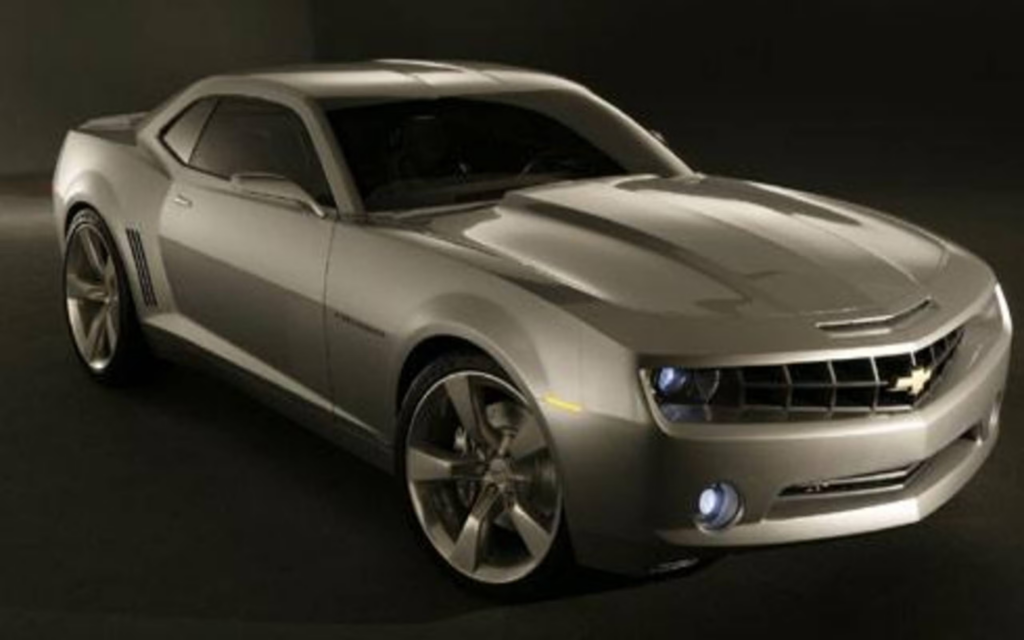
For decades, the Chevrolet Camaro has stood as a symbol of American muscle, a roaring testament to internal combustion and the open road. It was born from a rivalry, a direct challenge to the Ford Mustang, and for generations, it has captivated enthusiasts with its aggressive styling, potent powertrains, and undeniable performance heritage. But as the automotive landscape undergoes a seismic shift toward electrification, the very identity of this iconic nameplate is poised for a dramatic reimagining. While the purists may balk, the industry is buzzing with speculation: the Chevrolet Camaro is indeed returning, but not in the form most have come to expect. This isn’t just a facelift; it’s a fundamental evolution, a strategic pivot that aims to secure the Camaro’s legacy in the electrified future, potentially as a compelling electric SUV.
The Strategic Imperative: Embracing the Electric Evolution
The automotive industry, particularly in the United States, is at a critical juncture. Consumer preferences have decisively shifted away from traditional two-door coupes and sedans, with the ever-expanding popularity of SUVs and crossovers dominating sales charts. Manufacturers worldwide are grappling with this reality, seeking ways to infuse sporty character and desirable aesthetics into these higher-riding, more practical platforms. Chevrolet, facing the dwindling viability of pure internal combustion performance cars in certain segments and the undeniable momentum of electric vehicle adoption, is strategically leveraging its most storied nameplates.
The Mustang Mach-E, Ford’s bold foray into electrifying its own iconic pony car, has proven that consumers are receptive to a performance-oriented electric crossover that carries a legendary badge. This precedent is not lost on General Motors. While whispers of a pure electric car variant for the Camaro persist, driven by the vision of GM President Mark Reuss, the prevailing industry intelligence points towards a fastback SUV as the most probable vessel for the Camaro’s resurrection. This strategic move is not about abandoning heritage; it’s about adapting it for a new generation of drivers who demand performance, style, and sustainability. The 2027 Chevrolet Camaro EV SUV is not just a product; it’s a statement of intent, a bold declaration that Chevrolet is ready to compete at the forefront of the electric performance vehicle market.
Under the Hood (or, More Accurately, Under the Floor): Platform and Powertrain Innovations
At the heart of this ambitious transformation lies Chevrolet’s advanced electric vehicle architecture. While the specific “Ultium” branding might be evolving, the underlying principles of scalable battery technology and flexible motor configurations remain paramount. The forthcoming 2027 Chevrolet Camaro EV is expected to be built upon a sophisticated skateboard-style platform, a design that efficiently integrates battery packs and electric motors beneath the vehicle’s floor. This approach offers significant advantages in terms of packaging, weight distribution, and design flexibility.
This modular platform will allow Chevrolet to draw from a rich ecosystem of battery and motor technologies, enabling a diverse lineup of Camaro EV variants. At the entry-level, expect single-motor configurations driving the rear wheels, offering an accessible entry point into the electrified Camaro experience. These models will likely provide spirited performance, delivering responsive acceleration and a dynamic driving feel that honors the Camaro’s performance pedigree.
For those seeking enhanced traction and even greater performance, dual-motor all-wheel-drive systems will be available. These setups will not only bolster grip and stability in various driving conditions but also unlock significantly higher power outputs, catering to the performance expectations associated with the Camaro name. The integration of these advanced powertrains ensures that the 2027 Chevrolet Camaro EV will offer a compelling blend of efficiency and exhilarating acceleration, rivaling the best in the burgeoning electric SUV segment.
Battery Technology and Charging Capabilities: Powering the Future
Central to the performance and range of any electric vehicle is its battery system. For the 2027 Chevrolet Camaro EV, we anticipate the utilization of robust and proven battery technologies. Lower-tier versions are likely to feature an 85-kWh battery pack, similar to what’s found in other GM EVs like the Blazer EV. This capacity provides a solid foundation for respectable range and daily drivability.
For performance-oriented variants and those seeking extended travel capabilities, a larger 102-kWh battery pack is expected to be offered. This increased energy density will translate into greater driving range, alleviating range anxiety and making the Camaro EV a viable option for longer journeys. Crucially, the adoption of established electrical architectures and cell chemistries should ensure rapid charging capabilities. The 85-kWh pack is anticipated to support DC fast charging at rates up to 150 kW, allowing for significant replenishment of the battery in a reasonable timeframe. The larger 102-kWh battery should be capable of even faster charging, potentially topping out at 190 kW, further enhancing the convenience and practicality of owning an electric Camaro. This focus on efficient charging is vital for competing in a market where convenience is increasingly a deciding factor.
Performance Variants: From Spirited Commuter to Track-Worthy Machine
The Camaro has always been about more than just basic transportation; it’s about the thrill of driving. The electric iteration will continue this tradition by offering a range of performance levels designed to cater to a broad spectrum of enthusiasts.
The base models, likely badged with LT or RS trims, will probably utilize a single electric motor driving the rear wheels. Drawing from existing GM electric vehicle motor technology, these variants are expected to produce between 241 and 365 horsepower. This output offers a significant step up from many mainstream EVs and provides a sporty driving experience that will undoubtedly resonate with Camaro fans.
For those desiring all-wheel-drive capability and increased power, Chevrolet will likely offer a dual-motor setup, mirroring the arrangement found in the Blazer EV. This configuration could deliver a combined output of approximately 300 horsepower and 355 lb-ft of torque, providing enhanced traction and acceleration.
The true performance halo of the new Camaro EV range is anticipated to be an SS variant. This model is expected to adopt the more potent dual-motor all-wheel-drive system, potentially mirroring the impressive output of the Blazer EV SS. This would translate to a formidable combined output of 615 horsepower and 650 lb-ft of torque. To complement this immense power, the Camaro EV SS is likely to feature enhanced performance hardware, including high-performance Brembo brakes for superior stopping power, a sport-tuned adaptive suspension system for precise handling and a comfortable ride, and a retuned steering system for sharper responsiveness. This level of performance positions the Camaro EV SS as a serious contender in the performance electric SUV segment.
Pushing the Boundaries: The Return of the ZL1?
Looking further into the future, Chevrolet has the potential to push the performance envelope even further. The company could leverage the extreme capabilities of its most potent electric powertrains, such as the tri-motor setup found in the Hummer EV. This configuration offers the tantalizing possibility of producing up to a staggering 1,000 horsepower. Such an extreme output would provide Chevrolet with the perfect opportunity to resurrect the legendary ZL1 trim, historically reserved for the most track-capable and awe-inspiring versions of the Camaro sports car. Imagine a 1,000-hp electric Camaro SUV, a machine that blends raw power with advanced technology and SUV practicality.
Mark Reuss has emphasized his commitment to ensuring the Camaro’s return is not only performance-oriented but also accessible. This suggests that the model range will span a wide spectrum of variations on the sporty SUV theme, beginning with the more mainstream models and gradually introducing higher-performance and more extreme variants over time. The goal is to offer a Camaro EV for nearly every type of buyer seeking an engaging and stylish electric vehicle.
Pricing and Market Positioning: A Competitive Landscape
Chevrolet aims to position the 2027 Camaro EV as a compelling value proposition within the rapidly evolving electric SUV market. Industry projections suggest an estimated price range of $36,000 to $65,500. This pricing strategy aims to make the Camaro EV competitive with other performance-oriented electric SUVs, while also offering a range of options to suit various budgets and performance aspirations. The entry-level models will provide an attractive price point for consumers looking to transition to electric mobility with a vehicle that carries a renowned performance badge. Higher trims, particularly those with advanced powertrains and premium features, will target buyers seeking top-tier performance and luxury in the electric SUV segment.
The Future of the Camaro: A Legacy Redefined
The decision to reimagine the Chevrolet Camaro as an electric SUV is a bold and necessary step in ensuring the longevity of this iconic nameplate. While some enthusiasts may lament the departure from the traditional coupe form factor, the automotive world is undeniably moving towards electrification and the dominance of the SUV segment. By embracing these trends, Chevrolet is not only preserving the Camaro’s legacy but also actively shaping its future. The 2027 Chevrolet Camaro EV promises a thrilling driving experience, cutting-edge technology, and a design that honors its sporty heritage while embracing the demands of the modern era.
The comeback of the Camaro, albeit in a vastly different guise, represents a significant moment for Chevrolet and for American automotive history. It’s a testament to innovation, adaptation, and the enduring appeal of a name that has long been synonymous with performance and passion. The journey from a roaring V8 muscle car to a silent, powerful electric SUV is a profound transformation, but one that could very well secure the Camaro’s place in the hearts of drivers for generations to come.
As we eagerly await the official unveiling and the opportunity to experience this electrified evolution firsthand, one thing is clear: the spirit of the Camaro lives on, ready to carve its path in the exciting new frontier of electric performance vehicles.
Are you ready to witness the next chapter of an American icon? Explore the future of electric performance by learning more about Chevrolet’s innovative EV lineup and prepare to be captivated by the reimagined Camaro.