


Unpacking the Hyundai Sonata Fuel Tank Recall: Critical Safety Insights for Owners in 2025
The automotive landscape in 2025 is a tapestry of technological marvels, pushing the boundaries of connectivity, efficiency, and autonomous capabilities. Yet, amidst this rapid evolution, fundamental vehicle safety remains paramount. As a seasoned expert with over a decade immersed in automotive diagnostics, engineering, and consumer advocacy, I’ve witnessed firsthand the complex interplay between design innovation and real-world reliability. It is with this perspective that we delve into a critical development impacting tens of thousands of Hyundai Sonata owners: a significant safety recall concerning the potential for fuel tanks to melt, posing a severe fire risk.
This isn’t merely a minor inconvenience; it’s an issue with profound safety implications that demands immediate attention from affected vehicle owners. The National Highway Traffic Safety Administration (NHTSA) and Hyundai have initiated a recall for specific Sonata models, highlighting a defect in the purge control check valve that can lead to catastrophic fuel system compromise. Understanding the nuances of this recall, from the intricate mechanics of the malfunction to the proactive steps owners must take, is not just advisable—it’s essential for safeguarding your investment and, more importantly, the lives of those who travel with you. We’ll explore this issue in detail, framed against the backdrop of 2025’s advanced automotive environment, ensuring you have the expert insights needed to navigate this situation effectively.
The Mechanics of the Malfunction: Understanding the “Melt” Risk
To truly grasp the gravity of this recall, we must first dissect the engineering anomaly at its heart. The problem originates within the vehicle’s Evaporative Emission Control (EVAP) system, specifically involving the purge control check valve (PCCV) in conjunction with the turbocharged engine.
The Purge Control Check Valve (PCCV) is a crucial component of your vehicle’s emissions system. Its primary role is to manage fuel vapor. Gasoline, being volatile, constantly evaporates within the fuel tank. To prevent these harmful hydrocarbons from escaping into the atmosphere, they are captured in a charcoal canister. The PCCV then intermittently purges these stored vapors into the engine’s intake manifold to be burned off during combustion. This is a standard and vital environmental control mechanism in all modern vehicles.
However, in the affected 2020-2023 Hyundai Sonata models equipped with the non-hybrid 1.6-liter turbocharged four-cylinder engine, this valve can malfunction. The problem isn’t just that the valve fails to open or close; it’s that it allows compressed air from the turbocharger system to backflow directly into the fuel tank.
Let’s briefly touch on the Turbocharger’s Role. Turbochargers are engineering marvels designed to boost engine performance and efficiency by forcing more air into the combustion chambers. This process involves compressing air. When the faulty PCCV allows this highly compressed air to reverse direction and enter the fuel tank, it creates an abnormal and dangerous scenario: pressure buildup and tank expansion.
Fuel tanks, particularly those made from high-density polyethylene (HDPE) plastic common in modern vehicles, are designed to withstand normal internal pressures, including atmospheric changes and fuel vapor expansion. However, they are not designed to accommodate significant ingress of compressed air from a turbocharger. As this compressed air fills the tank, the plastic material begins to deform, essentially “ballooning” under the sustained pressure. This physical deformation pushes the fuel tank beyond its intended boundaries.

This leads us to the critical danger: dangerous proximity to exhaust components. Modern vehicle packaging is incredibly tight, optimized for space, aerodynamics, and weight distribution. Fuel tanks are typically positioned underneath the vehicle, often in close proximity to the exhaust system. The exhaust pipes, particularly the catalytic converter and muffler sections, operate at extremely high temperatures, often hundreds of degrees Fahrenheit, hot enough to melt plastic.
When the expanded plastic fuel tank, already stressed by internal pressure, comes into direct contact with these scalding hot exhaust pipes, the consequences are severe. The plastic begins to soften, deform further, and eventually melt. This melting creates a breach in the fuel tank’s integrity, leading to a fuel leak. Given the immediate presence of superheated exhaust components, a fuel leak under these circumstances transforms into an immediate and severe fire hazard. It’s a textbook scenario for how a seemingly minor component failure can escalate into a life-threatening event.
The reason these specific models (2020-2023 Sonatas with the 1.6L turbo-four non-hybrid engine) are affected points to a specific design or manufacturing tolerance issue unique to that powertrain and fuel system configuration. It underscores the incredible complexity of integrating multiple vehicle systems and the stringent quality control required at every stage of production.
Identifying the Warning Signs: What Sonata Owners Need to Know
As an expert in the field, I can tell you that early detection is often the first line of defense against escalating problems. While Hyundai will notify owners, being aware of potential symptoms allows you to take proactive steps before a critical failure occurs. For owners of the affected Hyundai Sonata models, several indicators may signal that your vehicle is experiencing the fuel tank expansion issue.
Auditory Cues: The Distinctive “Pop” Sound
Owners may report hearing an unusual “pop” or “clunk” noise emanating from the rear of their vehicle, particularly when the engine is running or immediately after shutting it off. This sound is not benign; it’s often the audible manifestation of the fuel tank deforming or suddenly shifting under internal pressure. The plastic tank, stressed beyond its designed limits, can make these noises as it flexes or momentarily releases pressure, a clear warning sign that internal pressures are abnormal. If you hear such a sound, do not dismiss it as normal vehicle operation.
Dashboard Indicators: The Malfunction Indicator Light (MIL)
The illumination of your Malfunction Indicator Light (MIL), commonly known as the “Check Engine” light, is a universal warning for engine or emissions-related issues. While a “Check Engine” light can signify a multitude of problems, in the context of this recall, it often points to a fault within the EVAP system. A malfunctioning purge control check valve that’s allowing improper air ingress into the fuel tank will almost certainly trigger this light, as the system’s pressure and flow parameters are out of specification. If your MIL illuminates, especially if accompanied by other symptoms, it warrants immediate investigation.
Olfactory Warnings: The Unmistakable Smell of Fuel
Perhaps the most alarming and direct indicator of a critical problem is the smell of gasoline. If you detect a distinct odor of fuel inside or around your parked Hyundai Sonata, especially near the rear of the vehicle, it’s a dire warning sign. This smell indicates a fuel leak, which could be a direct result of the fuel tank melting or cracking due to excessive pressure and contact with hot exhaust components. A fuel leak, regardless of its source, presents an immediate and severe fire hazard. Do not continue driving the vehicle under these circumstances.
Performance Issues: Difficult Starting or Engine Stalls
While less common than the other symptoms, issues with engine performance can also signal a problem. A significantly deformed fuel tank can impede the proper operation of the fuel pump or interfere with the fuel delivery system. This can manifest as difficulty starting the engine, extended cranking times, or even unexpected engine stalls while driving. Such symptoms are critical and could indicate a serious fuel system compromise, demanding immediate attention.
Immediate Action Protocol: If you observe any of these warning signs, it is imperative to take immediate action. Safely pull over to a secure location, turn off the engine, and contact your local Hyundai dealership or roadside assistance. Do not attempt to drive the vehicle if you smell fuel or if the “Check Engine” light is accompanied by any performance issues or unusual sounds. Your prompt action can prevent a dangerous situation from escalating.
Hyundai’s Comprehensive Response and Remedial Actions
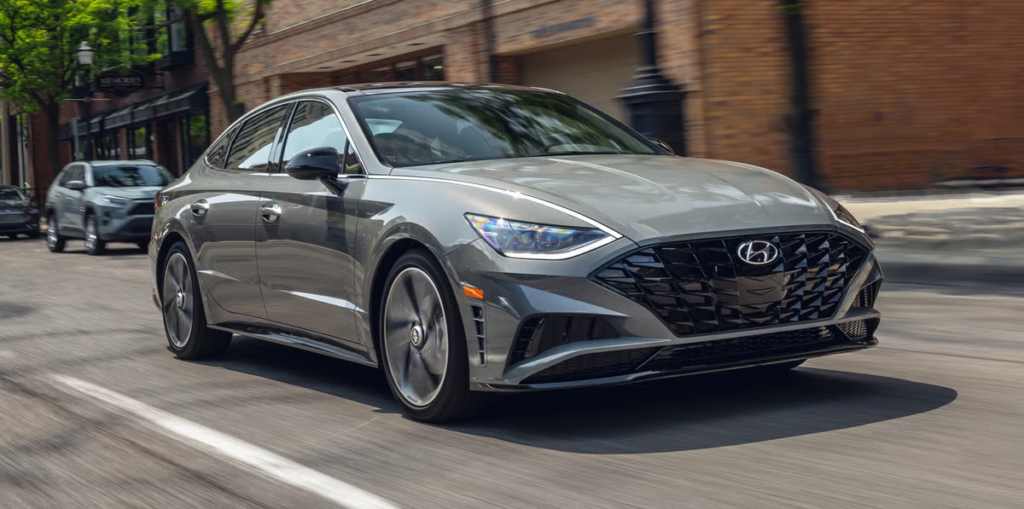
In the modern automotive industry, particularly in 2025, vehicle recalls are a testament to the ongoing commitment to safety, even when unforeseen defects emerge. The National Highway Traffic Safety Administration (NHTSA) plays a pivotal role in the United States, overseeing manufacturer recalls and ensuring that remedies are effective and timely. Hyundai, in collaboration with NHTSA, has outlined a clear and comprehensive plan to address the Sonata fuel tank melting issue.
The recall process typically begins with internal investigations by the manufacturer, followed by reporting to NHTSA, and then a public announcement detailing the affected vehicles and the proposed remedy. For this specific Hyundai Sonata fuel tank recall, the multi-point service remedy designed by Hyundai is critical:
Thorough Inspection: The first step at any authorized Hyundai dealership will be a detailed inspection. Trained technicians will visually inspect the purge control check valve (PCCV) for signs of malfunction and assess the fuel tank for any deformation, melting, or evidence of contact with exhaust components. They will also inspect the surrounding fuel lines and connections to ensure their integrity hasn’t been compromised. This initial assessment is crucial for determining the extent of the damage.
Purge Control Check Valve (PCCV) Replacement: This is the primary and most direct fix for the root cause of the problem. The faulty purge control check valve will be replaced with an updated, redesigned component. This new valve is engineered to prevent the backflow of compressed air from the turbocharger into the fuel tank, thereby eliminating the source of the excessive pressure buildup. This component replacement is vital for restoring the fuel system’s intended operational parameters and preventing future occurrences.
Fuel Tank Assessment and Repair/Replacement: Depending on the findings of the initial inspection, the fuel tank itself may require attention. If the tank shows signs of minor deformation but no cracks, melting, or leaks, it may be deemed safe after the PCCV replacement. However, if there is any evidence of melting, cracking, or significant structural compromise, the fuel tank will be repaired or, more likely, completely replaced. Ensuring the fuel system integrity is non-negotiable, given the high fire risk associated with compromised fuel containment. This decision will be made by certified technicians adhering to Hyundai’s repair protocols.
ECU Software Update: As a preventative and supplementary measure, the vehicle’s Engine Control Unit (ECU) software will be updated. This update is designed to improve the monitoring of fuel system pressures and diagnostic capabilities related to the EVAP system. By enhancing the ECU’s ability to detect and respond to abnormal pressure fluctuations, Hyundai aims to provide an additional layer of safety and early warning, should any related issues arise in the future. This proactive software enhancement demonstrates a commitment to robust vehicle diagnostics.
Reimbursement Policy: Recognizing that some diligent owners may have already experienced symptoms and paid out-of-pocket for repairs related to this issue prior to the official recall announcement, Hyundai will provide reimbursement. Owners who can provide proof of payment for services that align with the recall’s prescribed remedy should contact Hyundai for details on submitting a claim. This policy is standard practice and reinforces consumer trust.
Dealer Readiness in 2025: A significant aspect of any large-scale recall in 2025 is the capacity of the dealer network to handle the volume of affected vehicles. Hyundai dealerships across the U.S. are being equipped with the necessary parts, specialized tools, and updated technical service bulletins. Technicians are undergoing specific training to accurately diagnose and perform the prescribed repairs efficiently and effectively. While there might be initial surges in demand, Hyundai aims to ensure a smooth service experience for all affected owners. Your local dealership will be your primary point of contact for scheduling and service.
Beyond the Recall Notice: Proactive Steps for Hyundai Sonata Owners
Receiving a recall notice can be unsettling, but it’s also an opportunity to take proactive control of your vehicle’s safety. As an expert, I always advocate for informed and decisive action from car owners. Simply waiting for a letter or hoping the problem won’t manifest isn’t sufficient when safety is at stake.
Checking Your Vehicle’s VIN: The first and most crucial step is to confirm if your specific Hyundai Sonata is included in the recall population. Even if your model year (2020-2023) and engine type (1.6L turbo-four non-hybrid) fall within the affected range, individual VINs are used for definitive identification.
How to Check: Navigate to the official NHTSA website (NHTSA.gov/recalls). You’ll find a dedicated search tool where you can enter your vehicle’s 17-character Vehicle Identification Number (VIN). Your VIN is typically located on the driver’s side dashboard (visible through the windshield) or on a sticker on the driver’s side door jamb. This is the definitive way to ascertain your vehicle’s status regarding this and any other open recalls. You can also visit Hyundai’s official recall page for VIN lookup.
Prioritizing the Service Appointment: Once you’ve confirmed your vehicle is affected, do not delay in scheduling your service appointment. Even if your Sonata is currently exhibiting no symptoms, the underlying defect exists, and the risk of fuel tank melting and vehicle fire risk remains. Procrastination in addressing recalls, especially safety-related ones, can have dire consequences. This isn’t a routine maintenance item; it’s a critical vehicle safety inspection and repair. Contact your local authorized Hyundai dealership as soon as possible to book your service. Explain that it’s for a recall related to the fuel tank.
Understanding Your Rights as a Consumer in 2025: As a vehicle owner in the U.S., you have specific rights regarding safety recalls.
Free Repair: All recall-related repairs are mandated by law to be performed free of charge to the owner. This includes parts, labor, and any associated diagnostics.
Manufacturer Responsibility: Hyundai is legally obligated to remedy this defect. If you encounter any issues with scheduling, parts availability, or being charged for the repair, escalate your concerns immediately with the dealership’s service manager, and if necessary, contact Hyundai corporate customer service.
Reimbursement: As mentioned, if you previously paid for repairs related to this specific defect before the recall was announced, keep all your receipts and documentation. You are eligible for reimbursement from Hyundai.
General Automotive Maintenance Best Practices: While this recall addresses a specific manufacturing defect, it also serves as a potent reminder of the importance of diligent vehicle maintenance and vigilance.
Regular Service: Adhere to your Sonata’s recommended service schedule. While not directly preventing this specific recall issue, regular check-ups ensure overall vehicle health and can catch other emerging problems early.
Fuel System Checks: Be mindful of any unusual behaviors related to your fuel system, such as difficulties at the pump, odd sounds during refueling, or persistent fuel odors.
Qualified Technicians: Always opt for certified technicians, ideally at an authorized Hyundai service center, for any repairs, especially those involving critical systems like the engine or fuel delivery. Using quality, OEM-specified parts is also crucial.
Listen to Your Car: Pay attention to any new sounds, smells, or dashboard warnings. Your vehicle often communicates problems before they become critical failures.
By taking these proactive steps, you not only protect yourself and your passengers but also reinforce the broader ecosystem of automotive safety and consumer protection.
The Broader Implications for Automotive Safety and Manufacturing in 2025
This Hyundai Sonata fuel tank recall, while specific to a particular model and component, resonates with broader implications for the automotive industry in 2025 and beyond. It highlights several critical areas that continue to challenge manufacturers, regulators, and consumers alike in an era of unprecedented technological advancement.
Quality Control in a High-Tech Era: The complexity of modern vehicles is staggering. A single car can contain thousands of unique parts and millions of lines of code. The incident with the purge control check valve underscores the enduring challenge of maintaining impeccable quality control across vast supply chains and intricate design architectures. Even a seemingly minor component can have cascading, potentially catastrophic, effects when interacting within a complex system like a turbocharged engine and fuel delivery. As vehicles become more integrated with advanced driver-assistance systems (ADAS) and electrification, the demands on design validation and manufacturing precision will only intensify.
Consumer Confidence & Brand Reputation: Recalls, particularly those involving severe safety risks like fire, inevitably impact consumer confidence. Hyundai has worked diligently over the years to build a reputation for reliability, value, and safety. Incidents like this test that reputation. How a manufacturer handles a recall—the speed of notification, the clarity of the remedy, the efficiency of dealer service, and the transparency of communication—can significantly bolster or erode public trust. In 2025’s hyper-connected world, news of such defects spreads rapidly across social media and automotive forums, influencing purchasing decisions and brand loyalty. The long-term Hyundai Sonata reliability perception will hinge on the effectiveness and thoroughness of this recall campaign.
Regulatory Scrutiny and Evolution: Government bodies like NHTSA in the U.S. constantly evolve their regulatory frameworks to keep pace with automotive innovation. This recall underscores the ongoing importance of stringent oversight, particularly for emissions systems, which are increasingly intertwined with core vehicle performance and safety. As the industry moves towards electric vehicles (EVs), regulatory focus is shifting to battery safety and high-voltage systems, but internal combustion engine (ICE) safety concerns remain a vital part of the landscape. Incidents like this inform future design standards and testing protocols, ensuring that lessons learned translate into improved safety for all new vehicles.
Future Design & Engineering: Every recall serves as a crucial data point for future design and engineering. Hyundai’s engineers will undoubtedly analyze the failure mode of this PCCV and the specific fuel tank design in minute detail. This will influence subsequent generations of the Sonata and other models within their lineup, leading to redesigned components, enhanced material specifications, and more robust system integration testing. The goal is to design out potential failure points and build in redundancy where possible. This incident contributes to a continuous cycle of learning and improvement across the automotive sector, driving innovation not just in features, but in fundamental safety engineering.
The “New Normal” in Automotive Service: For vehicle owners in 2025, proactive recall management is becoming part of the “new normal.” Digital platforms for VIN lookup, direct manufacturer communications, and streamlined dealership service processes are all part of an evolving ecosystem aimed at making recall resolution as efficient and transparent as possible. The emphasis is shifting from reacting to problems to preventing them, with recalls serving as a safety net when prevention falls short.
In essence, this Hyundai Sonata recall is more than just a repair job; it’s a window into the ongoing challenges and commitments of the automotive industry in maintaining the highest standards of safety and quality in a dynamically changing technological environment.
Conclusion: Safeguarding Your Investment and Your Family
The Hyundai Sonata fuel tank recall is a stark reminder that even in the sophisticated automotive world of 2025, vigilance and proactive engagement from vehicle owners remain crucial. While automotive technology continues its relentless march forward, pushing boundaries in performance, efficiency, and connectivity, fundamental safety systems and component reliability must never be overlooked. The potential for a faulty purge control check valve to lead to fuel tank expansion, melting, and a severe fire risk is a serious concern that demands immediate attention.
As an expert who has navigated the complexities of automotive safety for over a decade, my message to affected Hyundai Sonata owners is clear and unequivocal: do not delay. Your prompt action in addressing this recall is paramount, not just for the longevity and value of your vehicle, but for the safety of every passenger who rides in it, and indeed, for others on the road.
Hyundai, working with NHTSA, has put a comprehensive remedy in place, and your local dealership is prepared to perform the necessary inspections, replacements, and software updates at no cost to you. This is a critical step in restoring your vehicle’s integrity and ensuring your peace of mind.
Don’t gamble with safety. Take action today.
If you own a 2020-2023 Hyundai Sonata with the non-hybrid 1.6-liter turbocharged four-cylinder engine, or if you have any lingering doubts about your vehicle’s status, please do not wait. Check your VIN immediately on the official NHTSA recall website (NHTSA.gov/recalls) or on Hyundai’s dedicated recall portal. Contact your nearest authorized Hyundai dealership without delay to schedule your recall service. Your safety, and the safety of your loved ones, is worth it.