



Title: Navigating the Hyundai Sonata Fuel Tank Recall: An Expert’s 2025 Guide to Safety and Remediation
As an automotive expert with a decade entrenched in vehicle engineering, diagnostics, and consumer advocacy, I’ve witnessed the evolution of automotive safety firsthand. From pioneering collision avoidance systems to increasingly complex powertrain designs, the industry constantly pushes boundaries. However, even with rigorous testing, unforeseen issues can emerge, and it’s our responsibility as enthusiasts and owners to remain vigilant. That brings us to a critical development unfolding in early 2025: a significant safety recall impacting a substantial number of Hyundai Sonata sedans. This isn’t just another service bulletin; it’s a pressing concern that demands immediate attention due to a potentially hazardous defect: the risk of a melting fuel tank.
The Heart of the Matter: A Critical Fuel System Vulnerability
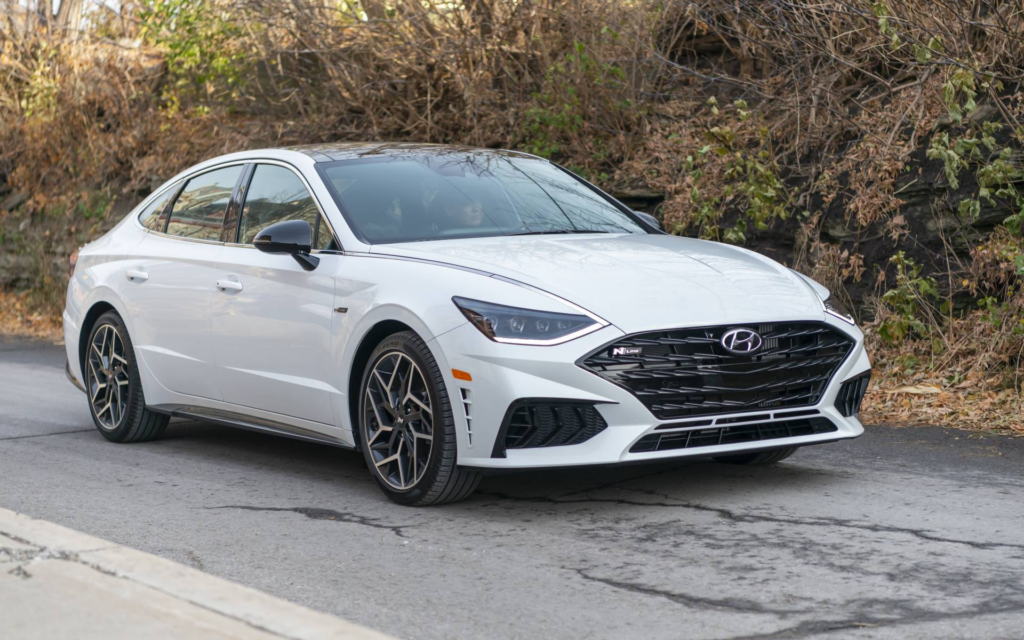
Hyundai has initiated a recall for 85,043 Sonata models, specifically those equipped with the non-hybrid 1.6-liter turbocharged four-cylinder engine from the 2020 through 2023 model years. The core issue, as identified by the National Highway Traffic Safety Administration (NHTSA) and corroborated by Hyundai’s own investigations, stems from a faulty purge control check valve within the fuel system.
To truly grasp the gravity of this situation, let’s break down the technical mechanics. In a modern turbocharged engine, the fuel system is a sophisticated network designed to deliver precise fuel quantities while managing evaporative emissions. The purge control check valve plays a crucial role in this by regulating the flow of fuel vapors from the charcoal canister (which absorbs gasoline fumes) back into the engine’s intake manifold to be burned. This prevents harmful pollutants from escaping into the atmosphere and maintains optimal engine performance.
However, in the affected Sonata models, this specific check valve is failing. Instead of acting as a one-way gate for vapors, it’s allowing compressed air, originating from the turbocharger, to backflow directly into the fuel tank. Imagine a balloon being slowly inflated inside a confined space; eventually, it will deform and expand. This is precisely what happens to the Sonata’s fuel tank. As the compressed air accumulates, the tank, typically made of high-density polyethylene (HDPE) or similar plastic composites, begins to deform and swell.
The critical danger arises when this deformed fuel tank expands sufficiently to come into direct, sustained contact with the vehicle’s hot exhaust components. Exhaust pipes, especially those close to the catalytic converter or turbocharger, can reach extremely high temperatures during operation – often hundreds of degrees Fahrenheit. Plastic, even reinforced variants used in fuel tanks, has a melting point. Prolonged exposure to such intense heat will inevitably cause the tank material to soften, warp, and ultimately melt.
A melting fuel tank is not merely a structural integrity issue; it’s a direct precursor to a catastrophic event. Once the tank begins to melt, it compromises its sealed integrity, leading to fuel leaks. Gasoline, by its very nature, is highly volatile and flammable. A leak in close proximity to superheated exhaust components or even sparks from other electrical systems creates an immediate and severe fire hazard. This isn’t just about property damage; it’s about the very real risk of serious injury or even fatality to vehicle occupants and those nearby. This specific type of fuel leak and potential vehicle fire hazard is precisely why immediate action is paramount.
Identifying the Red Flags: What Owners Need to Know

As an owner of a potentially affected Sonata, recognizing the early warning signs can be critical for your safety. Hyundai and NHTSA documents highlight several indicators that signal a compromised fuel system related to this defect. My experience over the past decade confirms that vehicle owners are often the first line of defense against emerging issues, and attentiveness to these symptoms can save lives.
A Distinct “Pop” Noise from the Rear of the Vehicle: This isn’t just an odd creak or groan. The sound described is often a sudden, sharp “pop,” which could indicate the fuel tank deforming or expanding under pressure. This might occur during or shortly after driving, as the fuel system operates under varying pressures.
Malfunction Indicator Light (MIL) Illumination: Commonly known as the “Check Engine Light,” the MIL is your vehicle’s primary communication tool for detecting engine or emissions system irregularities. A faulty purge control check valve, by allowing incorrect pressure or flow, would directly trigger various diagnostic trouble codes (DTCs) related to the evaporative emissions system, illuminating the MIL on your dashboard. Do not ignore this light.
Smell of Fuel Around the Vehicle: This is perhaps the most alarming and unmistakable sign. If you detect the odor of gasoline in or around your Sonata, particularly near the rear of the vehicle, it’s a clear indication of a fuel leak. Even a faint smell should prompt immediate investigation. Fuel leaks, regardless of their source, are never normal and always represent a significant safety risk.
Difficulty Starting the Vehicle: A compromised fuel system, including issues with pressure regulation due to a faulty check valve, can directly impact the engine’s ability to start or run smoothly. Inconsistent fuel delivery or an improperly pressurized tank can starve the engine of fuel or cause other related starting problems.
It’s important to note that as of the initial recall filing, Hyundai confirmed seven instances of fuel tank leaks directly linked to this issue in the United States and Canada. While thankfully no crashes, injuries, or fatalities have been reported yet, this does not diminish the severity of the potential risk. These reported leaks are tangible proof that the defect is manifesting in real-world driving conditions.
Affected Models and Exclusions: Is Your Sonata at Risk?
The recall specifically targets Hyundai Sonata sedans manufactured between the 2020 and 2023 model years. Crucially, the issue is tied exclusively to vehicles equipped with the non-hybrid 1.6-liter turbocharged four-cylinder engine.
Why the specificity? The design of the evaporative emissions and turbocharging system in this particular engine configuration is what creates the vulnerability with the purge control check valve. Other engine variants, such as the 2.5-liter naturally aspirated engine or, notably, the 2.0-liter hybrid powertrain, have different fuel system designs and are therefore exempt from this particular recall. If you own a Sonata within these model years, confirming your engine type is the first step in assessing your risk. Many owners confuse engine sizes or types; a quick check of your vehicle’s manual or VIN lookup can provide clarity.
Hyundai’s Proactive Remedy: What to Expect at the Dealership
Understanding the prescribed remedy is crucial for affected owners. Hyundai has outlined a comprehensive service procedure to address the defect, which will be performed by authorized dealership technicians at no cost to the owner. This multi-pronged approach aims to not only fix the immediate issue but also mitigate future risks.
Purge Control Check Valve Inspection and Replacement: This is the primary corrective action. Technicians will thoroughly inspect the existing purge control check valve. If it’s found to be faulty, or even if it merely falls within a suspect batch, it will be replaced with an improved, redesigned component that prevents the backflow of compressed air into the fuel tank. This directly addresses the root cause of the problem.
Fuel Tank and Surrounding Components Inspection and Repair/Replacement: Given the risk of tank deformation and melting, a meticulous inspection of the fuel tank itself is mandatory. Technicians will look for any signs of swelling, stress cracks, deformation, or actual melting and leakage. If the tank shows any signs of damage, it will be repaired or, more likely, completely replaced to ensure integrity. The surrounding fuel lines, mounting hardware, and heat shields will also be inspected to ensure no secondary damage has occurred and that clearances to exhaust components are maintained.
Engine Control Unit (ECU) Software Update: This is a preventative and diagnostic measure. The ECU is the brain of your car, managing various engine and emissions parameters. An updated software calibration will likely include enhanced monitoring protocols for fuel system pressure and evaporative emissions components. This allows the vehicle to more quickly detect anomalies related to the purge control system and potentially trigger the MIL earlier, providing an additional layer of safety and diagnostics.
Hyundai has also confirmed a reimbursement program for owners who may have already incurred costs for identical repairs prior to the official recall notification. Keep all receipts and documentation for any related service work performed before this recall was announced, as you’ll need them to claim reimbursement. This demonstrates a commitment to consumer satisfaction and responsibility, which is important for maintaining trust in a competitive market.
Your Action Plan: Don’t Delay, Act Today
The official notification process for both owners and dealers is scheduled to commence around early 2025. While you will receive a formal recall notice via mail, proactive engagement is strongly advised.
Verify Your Vehicle’s Status: The most reliable way to determine if your specific 2020-2023 Sonata with the 1.6L turbo-four engine is part of this recall is to visit the NHTSA recall website (NHTSA.gov/recalls). Enter your vehicle’s 17-character Vehicle Identification Number (VIN). This will provide definitive confirmation. You can also visit Hyundai’s official recall portal on their website.
Contact Your Local Hyundai Dealership: Even before you receive your official letter, contact the service department at your preferred Hyundai dealership. Inform them about the recall and your intention to schedule the necessary repair. They can confirm your vehicle’s eligibility and advise on appointment availability.
Schedule the Repair Promptly: Do not procrastinate. This is a safety recall involving a fire risk. Promptly scheduling and completing the repair is paramount for your safety and the safety of others. While waiting for the repair, if you notice any of the aforementioned symptoms (pop noise, MIL, fuel smell, starting issues), exercise extreme caution and consider limiting your driving until the vehicle can be serviced.
Document Everything: Keep copies of all recall notices, service invoices, and any communications with Hyundai or the dealership. This documentation is invaluable for future reference, especially if you need to pursue a reimbursement claim.
Beyond the Recall: Broader Implications and Consumer Rights
As a seasoned observer of the automotive industry, I view this recall through a wider lens. While every manufacturer faces recalls, the nature of this particular defect—a fire hazard directly linked to a primary vehicle system—underscores the critical importance of robust quality control and rigorous component validation. For Hyundai, a brand that has made significant strides in design, technology, and market share, incidents like this are a test of their commitment to long-term reliability and consumer trust.
This situation also highlights the indispensable role of the NHTSA in safeguarding public safety. Their vigilant oversight and investigative processes are often the catalyst for manufacturers to identify and address defects that might otherwise go unnoticed or be downplayed.
For consumers, this recall is a powerful reminder of your rights. Under U.S. law, manufacturers are obligated to repair safety defects at no charge. Beyond the immediate repair, some owners may wonder about the implications for their vehicle’s resale value, potential diminished value claims, or even “lemon law” considerations if the repair proves ineffective or persistent issues arise. While this article does not provide legal advice, it’s prudent for owners to be aware of their consumer protections and to consult with legal professionals if they believe their situation warrants it, especially concerning serious safety defects that could lead to significant financial impact or pose an ongoing risk. High CPC keywords like “Hyundai recall settlement” and “automotive lemon law claims” often arise in these discussions, underscoring the potential for more extensive consumer advocacy if initial remedies fall short.
Furthermore, this incident underscores the value of preventative maintenance and regular vehicle inspections. While a recall addresses a manufacturing defect, a well-maintained vehicle often provides earlier indications of developing problems. Staying informed about vehicle service bulletins and recall notices, even for models you don’t own, contributes to a safer automotive ecosystem for everyone.
Looking Ahead: The Future of Automotive Safety
The automotive landscape in 2025 is defined by increasing complexity – from advanced driver-assistance systems (ADAS) to electric powertrains. While these innovations bring incredible benefits, they also introduce new vectors for potential issues. This Hyundai Sonata recall serves as a stark reminder that even seemingly minor components, like a check valve, can have profound safety implications when they fail within an interconnected system. The industry must continue to prioritize exhaustive testing, supply chain vigilance, and rapid response mechanisms to maintain consumer confidence.
For affected Hyundai Sonata owners, the path forward is clear: acknowledge the recall, understand its implications, and act decisively. Your safety, and the safety of your loved ones, is paramount.
Act Now for Your Safety: Verify and Schedule Your Hyundai Sonata Recall Service Today!
Don’t let a critical safety recall become a devastating oversight. If you own a 2020-2023 Hyundai Sonata with the 1.6-liter turbocharged engine, your vehicle could be at risk. Take the crucial first step towards peace of mind and protection by checking your VIN on the official NHTSA recall website or contacting your local Hyundai dealership immediately. Delaying this vital service could put you and your passengers in harm’s way. Secure your appointment today – because your safety on the road is non-negotiable.