



The Zenith of JDM Collectibles: A 1995 Honda NSX-R Redefines Automotive Valuation in 2025
For over a decade, my lens has been fixed on the pulsating heart of the automotive collector market. I’ve witnessed trends emerge, values skyrocket, and legends solidify. But even for a seasoned observer like myself, the unfolding saga of the Honda NSX-R continues to redefine expectations, setting benchmarks that were once considered unthinkable for a Japanese marque. As we stand in late 2025, a pristine 1995 Honda NSX-R has just hammered down on Bring a Trailer for a figure that not only eclipses previous NSX records but comfortably positions it within the rarefied atmosphere of ultra-exclusive Ferrari and Porsche classics. This isn’t just a sale; it’s a profound statement on the enduring power of engineering purity, motorsport heritage, and the evolving landscape of high-value automotive assets.
The Apex Predator: A 1995 NSX-R in the Spotlight
The specific machine that has captivated the global automotive community is a breathtaking example of the original NA1 generation NSX-R, built in the final year of its initial, incredibly limited production run. With just over 12,000 original miles on the odometer – a testament to its careful stewardship rather than museum stasis – this particular 1995 model presents an almost perfect storm of desirability. Its condition is immaculate, a testament to meticulous preservation, and while it carries a few period-correct aftermarket enhancements that suggest it’s been enjoyed rather than merely displayed, its fundamental originality and mechanical integrity remain uncompromised. This isn’t just a car; it’s a time capsule, a direct portal to an era when Honda dared to challenge the European supercar establishment with a unique blend of everyday usability and formidable track prowess.
The auction for this magnificent specimen ignited a fierce bidding war on Bring a Trailer, a platform that has become synonymous with premium vehicle bidding and record-breaking sales in the digital age. The anticipation was palpable as the final hours ticked away. The high bid soared past the previous NSX sales records set on the platform, eventually settling north of $400,000—a figure that, just a few years ago, would have been considered speculative fiction for anything bearing a Honda badge. This isn’t an isolated incident; it’s a continuation of a clear upward trend. We’ve seen a 2003 NSX-R (the later NA2 model) command over $1 million at the Concorso d’Eleganza Villa d’Este auction in previous years, an undeniable signal that the NSX-R had already broken through conventional ceilings. But for an NA1 to reach these heights in late 2025 speaks volumes about the accelerating demand for these truly special, naturally aspirated performance cars. This recent sale is a clear indicator that the 1990s JDM classic cars are not merely appreciating; they are aggressively repositioning themselves as genuine alternatives to traditional luxury car investment vehicles.
The Senna Legacy: Forging a Legend
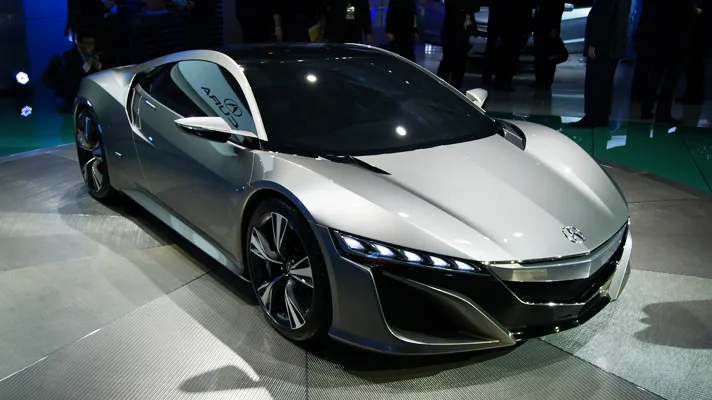
To truly understand the magnetic pull and astronomical value of the NSX-R, one must journey back to its genesis and the indelible mark left by motorsport royalty: Ayrton Senna. The legend isn’t just etched in the car’s DNA; it’s permanently enshrined in automotive folklore through that iconic video. Our hero, an icon of precision and grace, casually dressed yet intensely focused, arrives at Suzuka raceway. He slips into the cockpit of a gleaming white NSX-R, the prototype of what would become an automotive legend. With minimal fuss, he ignites the engine, and the world watches as Senna, in what appears to be a pair of loafers, masterfully dances on the pedals, coaxing every ounce of performance from the mid-engined coupe. The tachometer needle barely dips below the 8000-rpm redline as he navigates the demanding circuit with a fluidity and control that remains breathtaking to this day.
This wasn’t just a promotional stunt; it was a profound endorsement from a man who knew precisely what made a car truly great. Senna’s direct feedback during the NSX’s development played a pivotal role, pushing Honda’s engineers to refine the chassis, enhance the handling, and inject a level of responsiveness that elevated the car beyond mere statistics. He insisted on a stiffer chassis, more precise steering, and an overall more connected driving experience. The engineers, revering Senna’s unparalleled sensitivity and skill, took his directives to heart, making significant revisions that would define the NSX’s dynamic character.
The subsequent introduction of the NSX-R in 1992 was the ultimate crystallization of this performance ethos. It wasn’t just a trim level; it was a dedicated track weapon, meticulously re-engineered for purity and speed. Senna’s spirited Suzuka demonstration not only showcased the car’s phenomenal capabilities but also instilled a sense of heroism and unparalleled driving mastery into the NSX-R’s mystique. This narrative, amplified by a generation of enthusiasts through the internet, solidified the NSX-R’s status as a holy grail. It wasn’t just a fast car; it was Senna’s car, a machine honed by a genius, and that cultural cachet contributes immensely to its high-value vehicle auctions today. This deep-seated motorsport heritage is a critical component of its allure as a blue-chip automotive asset.
Engineering Purity: The Heart of the ‘R’ Distinction
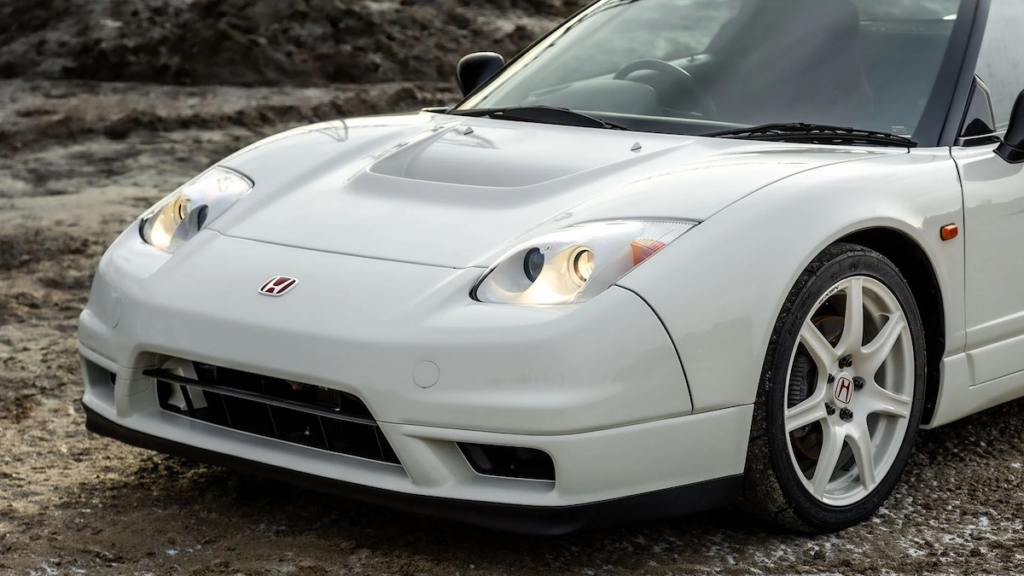
What exactly made the NSX-R so profoundly different from an already stellar standard NSX? It was a relentless pursuit of lightweighting and precision engineering – a philosophy that would define future “Type R” iterations from Honda. The engineers embarked on an aggressive weight-reduction program, meticulously excising 265 pounds (120 kg) of fat. This wasn’t achieved by simply stripping out creature comforts; it involved a comprehensive re-evaluation of every component. Sound deadening was minimized, heavy glass was replaced with thinner alternatives, and a lighter battery and exhaust system were fitted. Crucially, the standard power seats were swapped for lightweight fixed-back carbon-Kevlar Recaro racing shells, instantly recognizable as a hallmark of the ‘R’. Even the air conditioning and stereo were initially deleted to save weight, though buyers could opt for them to be reinstalled.
Beyond the weight savings, the NSX-R’s chassis received a complete overhaul. Stiffer springs, larger anti-roll bars, and re-valved dampers transformed the handling, making it even more telepathic and responsive on track. The steering rack was quicker, and the bushings throughout the suspension were stiffened, providing a more direct connection to the road. This wasn’t just about making the car faster; it was about amplifying driver feedback and creating a more immersive experience.
Under the hood, the NA1 NSX-R retained the magnificent C30A V6 engine, a naturally aspirated masterpiece revving to 8,000 rpm. While power output wasn’t significantly increased on paper (the Japanese market had a gentleman’s agreement limiting horsepower), the engine was far from standard. Each NSX-R engine received a balanced and blueprinted treatment, with meticulously selected and matched rotating assemblies. This attention to detail resulted in a smoother, more eager-revving engine with improved throttle response and heightened durability—a testament to Honda’s precision engineering. The combination of reduced mass, a sharpened chassis, and a perfectly balanced engine created a driving machine of unparalleled purity, a truly hand-built performance car that felt intuitively connected to the driver. This holistic approach to performance differentiation is what sets the NSX-R apart and fuels its status as a premier collectible, drawing the attention of global investors seeking automotive asset appreciation.
The Shifting Sands of the 2025 Collector Market
The current market situation in late 2025 is a fascinating study in evolving collector preferences and investment strategies. The soaring prices of NSX-Rs are not an anomaly but rather a powerful symptom of several macro trends. Firstly, the “JDM classic cars” segment has matured beyond mere enthusiast speculation and into a recognized category for serious automotive investment. Collectors who grew up with posters of Skylines, Supras, and NSXs are now reaching peak earning potential, and they are actively seeking to acquire the cars that defined their youth. This generational shift in buyer demographics is a critical driver of the market.
Secondly, the appreciation for Japanese engineering excellence has never been higher. For decades, European exotics like Ferrari and Porsche dominated the high-end collector car market. While their values remain robust, the NSX-R, with its reputation for meticulous build quality, unparalleled reliability for a supercar, and revolutionary aluminum monocoque chassis, now stands shoulder-to-shoulder with them in terms of desirability and valuation. The concept of a “million-dollar Honda” is no longer a punchline; it’s a testament to the car’s intrinsic worth and its position as a precision-engineered masterpiece. This shift directly impacts high CPC keywords related to luxury car investment and exotic car portfolio management.
Thirdly, the industry’s inexorable march towards electrification has paradoxically amplified the appeal of analog, naturally aspirated performance cars. In an era dominated by instant torque and silent acceleration, the visceral scream of a balanced and blueprinted C30A V6 at 8,000 rpm, combined with the tactile feedback of a perfectly tuned manual gearbox, represents a pure, unfiltered driving experience that is increasingly rare and cherished. Collectors are actively seeking these “end-of-an-era” machines, viewing them not just as cars but as tangible connections to a golden age of internal combustion. This makes them highly attractive automotive asset appreciation targets.
Finally, global economic factors and the search for alternative investments contribute to the surge. In an environment of fluctuating traditional markets, tangible assets like collector cars offer a compelling alternative. High-net-worth individuals are diversifying their portfolios, recognizing that unique, historically significant automobiles like the NSX-R can offer significant returns, often outpacing more conventional investments. The transparency and reach of online classic car auctions like Bring a Trailer have also democratized access, allowing a global pool of buyers to participate, further driving competition and prices.
A Manufacturer’s Commitment: Securing the NSX Future
One of the most encouraging developments, and a significant contributor to the NSX’s long-term collectibility and investment potential, is Honda’s proactive commitment to supporting its heritage models. Recognizing the skyrocketing values and the passionate owner base, Acura (Honda’s luxury division) has significantly ramped up its “NSX Restoration Parts Program.” This initiative involves the re-manufacturing of a wide array of essential components, from body panels and trim pieces to crucial mechanical and electrical parts. This isn’t just about ensuring cars stay on the road; it’s about preserving the originality and value of these iconic machines.
For potential buyers and current owners, this factory support is invaluable. It mitigates one of the primary risks associated with owning vintage exotic cars: the scarcity and exorbitant cost of replacement parts. Knowing that genuine OEM parts are available directly from the manufacturer instills confidence, making NSX ownership a more viable and less daunting prospect. It also means that even NSXs that may have been “neglected a bit” in the past now present a compelling restoration opportunity. The investment in bringing a well-worn NSX back to its former glory is now often justified by the car’s market value, transforming restoration costs into a value-adding proposition.
This commitment extends beyond just parts. Acura also actively engages with the NSX community, fostering events and providing technical expertise, further solidifying the car’s legacy. Such manufacturer backing is a rarity for vehicles of this age and speaks volumes about Honda’s pride in the NSX as a flagship model and an icon of its engineering prowess. This long-term support greatly enhances the NSX’s attractiveness as a stable and appreciating automotive asset.
Beyond the Bid: The Enduring Allure and Investment Horizon
The sale of this 1995 Honda NSX-R is far more than just a headline-grabbing transaction. It’s a powerful affirmation of the NSX’s position as one of the most significant and collectible sports cars ever produced. It represents the ultimate intersection of Japanese automotive ingenuity, motorsport legend, and a timeless design that continues to captivate. For those who have always admired the NSX from afar, watching its value climb from affordable performance car to bona fide automotive blue-chip, this latest sale might feel like the final frontier.
However, the investment horizon for exceptional examples of the NSX-R appears robust. The factors driving its current value – rarity, historical significance, Senna’s association, engineering excellence, and strong manufacturer support – are not fleeting trends. They are foundational elements that will continue to underpin its appeal for discerning collectors and investors for decades to come. As the world moves further into an electrified automotive future, the allure of these analog masterpieces will only intensify. The NSX-R is not just a car; it’s a piece of automotive art, a mechanical symphony, and a tangible link to a pivotal moment in performance car history.
The buyer of this particular NSX-R has acquired a truly heroic machine, an automotive icon that transcends its badge. They’ve not just purchased a car; they’ve secured a piece of history, an enduring symbol of precision, passion, and performance. And perhaps, just perhaps, they’ve already got a fresh pair of brown loafers on order.
The journey into premium automotive collecting is dynamic and ever-evolving. If the allure of iconic machines like the NSX-R speaks to your passion for engineering excellence and astute investment, the time to engage with this vibrant market is now. Explore the current offerings, delve into the rich histories, and connect with experts who can guide your next acquisition. Your automotive legacy awaits.