



Honda’s Guangzhou Heartbreaker: A Two-Door Manual Integra Targa We Can Only Dream Of
As an automotive enthusiast who’s spent over a decade dissecting market trends, driving dynamics, and the intricate strategies of major manufacturers, few reveals sting quite like the one that emerged from the 2025 Guangzhou Auto Show. Picture this: a two-door, manual transmission Integra, boasting a removable targa top – a spiritual successor to some of Honda’s most cherished driver’s cars. The excitement was palpable, a genuine spark in an industry increasingly focused on electrification and SUV ubiquity. Then came the familiar, gut-wrenching coda: “Not for the U.S. market.”
For those of us who grew up with Honda’s golden era, where lightweight, engaging, and affordable performance compacts reigned supreme, this GAC-Honda concept wasn’t just another show car; it was a ghost from Christmas past, reminding us of what we’ve lost and what we continue to crave. Let’s delve deep into this tantalizing prototype, dissect what makes it so appealing, and explore the complex reasons why American drivers are almost certainly destined to admire it from afar.
Decoding the Dream Machine: What Exactly is This “Integra”?
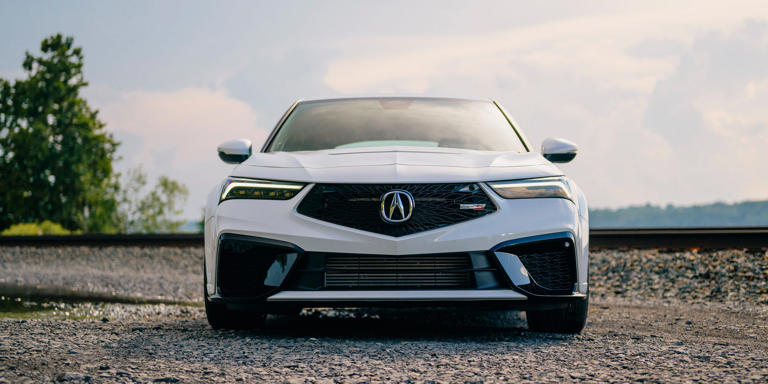
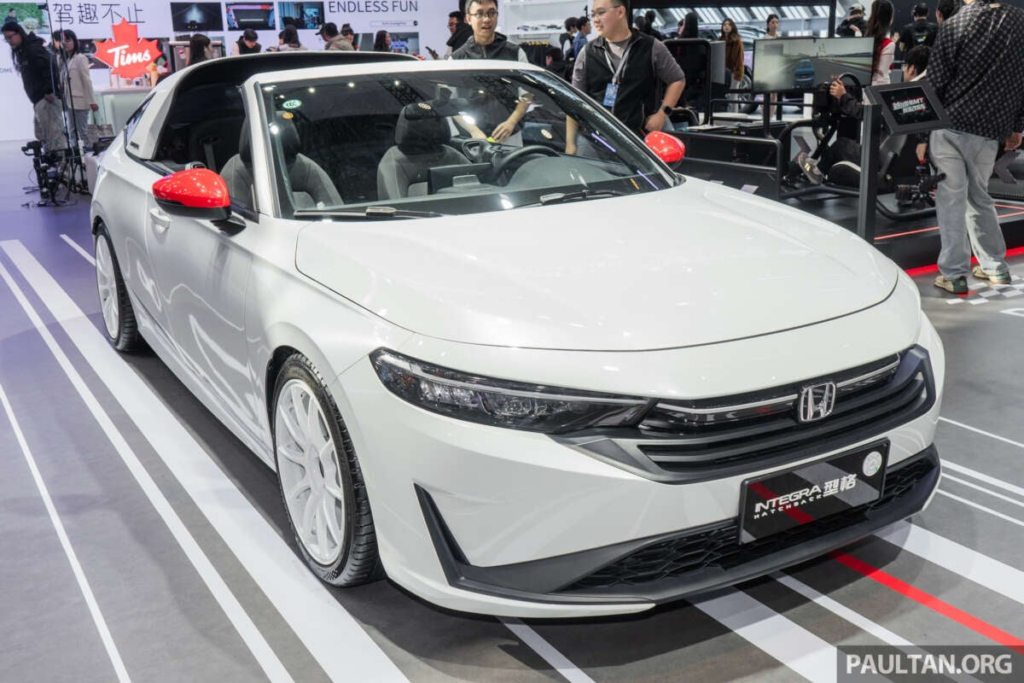
First, let’s clear up any potential confusion. The Integra currently sold in the United States by Acura is a premium compact sedan/hatchback, sharing its platform with the Honda Civic. The vehicle unveiled in Guangzhou, while also bearing the “Integra” badge, is a product of GAC-Honda – a joint venture between China’s GAC Group and Honda. Crucially, this Integra is essentially a heavily modified Honda Civic hatchback, re-skinned and reconfigured into a two-door targa.
The specifications that ignited the enthusiast community are simple yet profound: it’s a true two-door coupe, shedding the rear doors of its Civic hatchback donor. The most visually striking modification is the extensive removable roof panel, transforming it into a targa, echoing the beloved Honda Del Sol. Under the hood, it’s paired with Honda’s venerable 1.5-liter turbocharged four-cylinder engine, a powerplant known for its tunability and efficiency. But here’s the kicker, the detail that had us all collectively swooning: it’s explicitly shown with a manual transmission. Yes, a proper three-pedal setup, a direct connection to the driving experience that fewer and fewer new cars offer.
Aesthetically, the concept presents a clean, sporty profile. The white exterior paint is contrasted sharply by bright red mirror caps and subtle red accents throughout the interior, a classic performance motif. The “Integra” badging is prominently displayed, lending an air of official legitimacy to what feels like a passion project. While specific performance figures or chassis enhancements weren’t detailed, the visual cues – the aggressive stance, unique white wheels, and the inherent sportiness of a two-door, open-top configuration – scream “driver’s car.” It’s a compelling package that speaks directly to the core tenets of automotive engagement: simplicity, lightness, and direct mechanical feedback.
A Storied Lineage: Echoes of Honda’s Golden Era and the Enduring Appeal of Analog Driving
To truly appreciate the significance of this two-door manual Integra targa, one must understand the rich tapestry of Honda’s enthusiast history. This isn’t just a quirky concept; it’s a direct callback to some of the most revered vehicles to ever wear the H-badge.
The most obvious spiritual predecessor is the Honda Del Sol. Launched in the early 90s, the Del Sol was a two-seat targa-top roadster based on the Civic platform. It offered open-air motoring with the structural rigidity often missing in full convertibles, coupled with Honda’s legendary VTEC engines and nimble handling. For a generation, the Del Sol was the accessible, fun-loving sibling to the more serious CRX and Integra coupes, delivering smiles per dollar like few others. This Guangzhou Integra concept is a modern Del Sol in almost every conceivable way – a compact, two-door, targa-topped, Civic-based machine with an emphasis on driver involvement.
Beyond the Del Sol, this concept taps into the legacy of the Honda CRX and the original Acura Integra/Honda Integra (DC2/DC5). The CRX, particularly the Si variant, epitomized the lightweight, high-revving, tossable front-wheel-drive sport compact. It was a masterclass in minimalist design and maximum driving enjoyment. Similarly, the Integra, especially the Type R, achieved legendary status for its razor-sharp handling, telepathic steering, and sublime manual gearbox. These were cars that prioritized driving purity over creature comforts, offering an unfiltered connection between driver and road. They were enthusiast cars, built by enthusiasts, for enthusiasts.
The enduring appeal of these analog driving experiences in an increasingly digital world cannot be overstated. In 2025, with autonomous driving concepts maturing and the push for electric vehicles reaching a fever pitch, the manual transmission stands as a defiant symbol of driver agency. It’s a skill, a dialogue between machine and human, that provides a level of engagement unmatched by even the most sophisticated automatic or dual-clutch transmissions. The targa top, too, offers a unique blend of open-air exhilaration and coupe-like security, appealing to those who desire the sun on their face without the compromises of a full convertible. This Integra concept, then, isn’t just a car; it’s a philosophy, a statement against the tide of automotive evolution, championing the joy of driving.
The Chasm: Why This “Integra” Stays East and the Reality of the US Market
So, if this concept holds such potent appeal for American enthusiasts, why the seemingly unequivocal “not for the U.S.”? The reasons are multi-faceted, stemming from a complex interplay of market dynamics, regulatory hurdles, brand strategy, and the harsh realities of automotive economics in 2025.
Divergent Market Dynamics (China vs. US):
China’s automotive market is vast, diverse, and fundamentally different from the United States. Its sheer scale allows for a level of niche experimentation that would be financially suicidal in smaller markets. Joint ventures like GAC-Honda often produce unique models tailored specifically for Chinese consumer preferences, which can sometimes include more flamboyant or experimental designs. The US market, while large, is also highly segmented and fiercely competitive, with a pervasive focus on profitability per unit. Manufacturers here are increasingly risk-averse, preferring to invest in high-volume segments like SUVs and trucks, which offer greater profit margins and broader appeal. A low-volume, two-door manual targa is simply too niche for the current American market strategy of most major players.
Regulatory Hurdles and Homologation Costs:
Bringing any new vehicle to the US market, especially one derived from a foreign-market-specific platform, involves an immense amount of testing and certification to meet stringent safety, emissions, and crashworthiness standards. This process, known as homologation, is incredibly expensive. For a concept car like this, which would undoubtedly be a very limited-production vehicle, the cost of homologation per unit would be astronomical. Manufacturers simply cannot justify that investment for a car that might sell only a few thousand units annually, if that. It’s a bureaucratic and financial mountain that only the most dedicated (and deep-pocketed) niche brands or supercars can afford to climb.
Honda/Acura’s US Brand Strategy:
Acura, Honda’s premium division, has been diligently working to re-establish the Integra nameplate in the US as a sophisticated, sporty, and accessible entry-luxury performance car. Their current Integra lineup, with its focus on premium features, technology, and a blend of sedan and hatchback practicality, aims to broaden its appeal to a more mature and diverse demographic. Introducing a whimsical, two-door targa concept, even if enthusiast-pleasing, could potentially dilute this carefully crafted brand image. It doesn’t align with Acura’s current strategic positioning in the competitive US premium compact segment, which prioritizes a more upscale and functional offering.
The SUV/EV Shift and Shrinking Manual Market:
The automotive landscape in 2025 is dominated by two undeniable trends: the relentless rise of SUVs and the accelerating transition towards electric vehicles. Mainstream manufacturers are pouring billions into EV research and development, and their product portfolios are increasingly skewed towards higher-riding, more spacious utility vehicles. Traditional sedans and coupes, especially those with manual transmissions, are becoming increasingly rare. The market share for manual transmission cars in the US has dwindled to a tiny percentage, making the business case for offering them even in enthusiast models a tough sell, let alone for a brand-new, niche body style. Honda (and Acura) must prioritize resources where they can achieve the greatest return and meet evolving consumer demands.
Production Realities: Concept vs. Production:
It’s crucial to remember that the Guangzhou Integra is a concept car. While beautifully executed, it’s likely a design exercise, a marketing stunt for the Chinese market, or perhaps even a platform for showcasing GAC-Honda’s engineering capabilities. Concept cars often feature bespoke components, hand-built elements, and materials that are far too expensive or complex for mass production. Turning this concept into a street-legal, mass-producible vehicle would require significant re-engineering, cost-cutting, and compromises that could strip away much of its inherent charm.
The Enduring Craving: What US Enthusiasts Truly Want
Despite these formidable barriers, the excitement generated by this GAC-Honda Integra concept highlights an undeniable truth: there is an enduring, passionate craving among US enthusiasts for genuinely engaging, driver-focused vehicles. We yearn for:
Driver Involvement: The manual transmission isn’t just a gear selector; it’s an interface, a way to connect directly with the car’s mechanics. It’s about skill, precision, and the satisfaction of mastering a machine. In an age where cars increasingly drive themselves, the manual offers a refreshing antidote.
Lightweight, Nimble Platforms: The fun factor in a car isn’t solely about horsepower; it’s about power-to-weight ratio, chassis balance, and responsiveness. Older Hondas excelled at this, and a modern, compact, two-door platform with a decent engine promises similar thrills.
Open-Air Freedom: A targa top offers the best of both worlds – the exhilaration of open-air driving without the structural compromises, added weight, or security concerns often associated with full convertibles. It’s a pragmatic yet thrilling option.
Affordable Fun: While luxury sports cars abound, the market for truly affordable, fun-to-drive compacts has shrunk considerably. Enthusiasts are constantly searching for vehicles that deliver maximum smiles without breaking the bank.
Distinctive Styling: In a sea of SUVs and increasingly homogenized designs, a two-door targa stands out. It’s unique, stylish, and carries a retro cool that resonates deeply with those who appreciate automotive design.
This concept serves as a poignant reminder of a gap in the market, a void that few mainstream manufacturers seem willing or able to fill. It’s why “future classic” investments in well-preserved older enthusiast cars are surging, and why the aftermarket continues to thrive, giving enthusiasts the customizability and individuality they can’t find off the showroom floor.
Looking Ahead: The Niche of Niche and the Future of Enthusiast Cars
Will we ever see a spiritual successor to the Del Sol or a production version of this two-door manual Integra targa in the US? From a mainstream manufacturer, the odds are slim to none in the foreseeable future. The economic and regulatory headwinds are simply too strong.
However, the spirit of enthusiast driving persists. The future of these niche vehicles might lie with:
Boutique Manufacturers: Smaller, specialized companies focused solely on performance and driver engagement, often producing very limited runs.
Electrified Performance: As battery technology evolves, we might see electric vehicles that emulate the lightweight, high-torque characteristics of classic sports compacts, albeit with a very different power delivery.
Aftermarket Innovation: The aftermarket will continue to be a crucial playground for enthusiasts, allowing them to modify, enhance, and even build their dream cars from existing platforms.
The GAC-Honda Integra concept from the 2025 Guangzhou Auto Show is a beautiful, bittersweet paradox. It’s a testament to Honda’s legacy of building truly engaging driver’s cars, and a stark reminder of the realities of the modern global automotive market. For American enthusiasts, it’s a vision of what could be, a dream car that, for now, remains tantalizingly out of reach.
What are your thoughts on this two-door manual Integra targa? Does it stir your enthusiast soul, or do you believe it’s merely a fanciful concept with no place in today’s market? Share your perspective in the comments below – let’s keep the conversation about the future of driver’s cars alive!