



The 2026 Toyota RAV4 Hybrid: A Masterclass in Value, Not Just Sticker Price
As an automotive expert who’s seen a decade of industry shifts, from the nascent days of mainstream hybrids to the current electric vehicle revolution, I can tell you one thing with certainty: change is the only constant. And in the competitive landscape of late 2025, no vehicle exemplifies this evolution quite like the upcoming 2026 Toyota RAV4. Toyota, a pioneer in hybrid technology, is doubling down, pushing its entire RAV4 lineup into the hybrid-only realm. This bold move naturally sparks questions about pricing – will America’s favorite compact SUV become a luxury item? My analysis suggests a more nuanced reality: while the sticker price sees an expected bump, the 2026 RAV4 Hybrid often presents a superior value proposition, frequently undercutting its key rivals where it matters most, and delivering substantial long-term savings that savvy buyers in 2025 are increasingly prioritizing.
The automotive market of 2025 is a complex beast. We’re witnessing fluctuating fuel prices, persistent inflation, and a consumer base more educated than ever about the total cost of vehicle ownership. In this environment, the strategic pricing of the 2026 RAV4 Hybrid isn’t just about the initial outlay; it’s a meticulously calculated move designed to position it as the discerning choice for those seeking a reliable, fuel-efficient, and technologically advanced compact SUV. This isn’t merely a price increase; it’s an investment in a cleaner, more efficient future, packaged in a vehicle renowned for its unwavering reliability and exceptional resale value.
Decoding the 2026 RAV4’s Pricing Strategy: More Than Meets the Eye
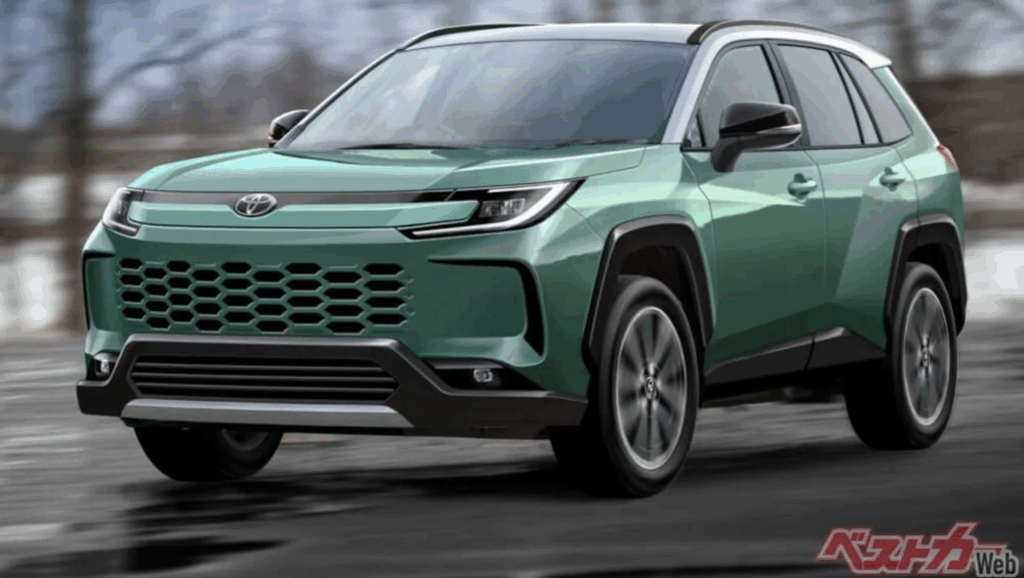
Let’s address the elephant in the room: yes, the 2026 Toyota RAV4 is indeed more expensive at the entry point. Transitioning an entire powertrain lineup to hybrid technology involves significant costs – specialized batteries, electric motors, sophisticated power control units, and the intricate engineering to seamlessly integrate these components. For the entry-level 2026 RAV4 FWD, the base price sees an approximate $2,100 increase over the outgoing non-hybrid 2025 FWD model, settling around $33,350. This might initially give pause to budget-conscious shoppers evaluating an affordable hybrid crossover for their daily commute.
However, a closer look reveals a far more strategic picture. When we compare like-for-like models, particularly those that were already hybrids in 2025, the price differential narrows significantly. For instance, the leap from the 2025 RAV4 Hybrid AWD LE to its 2026 counterpart is a surprisingly modest $450. Toyota isn’t simply tacking on costs; they’re refining the value proposition, baking in advanced features and the inherent benefits of hybrid efficiency.
Where the jump appears more substantial is when comparing a 2025 non-hybrid trim to its newly hybridized 2026 version. Taking the 2025 XLE Premium FWD as an example, its 2026 hybrid successor carries a higher premium of nearly $4,790, bringing its sticker price to approximately $37,550. Similarly, the popular Woodland Edition, which was already a hybrid, sees an increase of around $3,830 to $41,350 for 2026. These increments reflect not just the hybrid componentry but also potential enhancements in standard features, safety technology, and overall refinement that come with a model year update. For an expert in hybrid SUV deals, these figures tell a story of strategic market positioning. Toyota understands that buyers of higher trims are often more willing to absorb a premium for enhanced features and the significant fuel savings that come with the advanced hybrid powertrain. The overall aim is to solidify the RAV4’s position as a leading fuel-efficient compact SUV and a sound hybrid SUV investment.
Battling the Japanese Titans: RAV4’s Strategic Edge
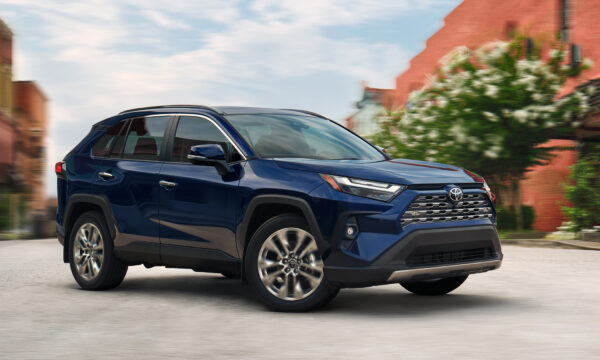
Now, let’s pivot to the arena where the 2026 RAV4 Hybrid truly shines: its competitive positioning against its closest rivals. In the fiercely contested segment of compact hybrid SUVs, Toyota has meticulously engineered a compelling value proposition, especially against its long-standing Japanese counterparts, the Honda CR-V Hybrid and the Subaru Forester Hybrid.
Consider the entry point for an all-wheel-drive (AWD) hybrid SUV, a popular configuration for many American families. The 2026 RAV4 LE AWD emerges as a clear frontrunner in terms of initial cost. Priced significantly lower than its top two Japanese competitors, it offers a substantial financial advantage. Compared to the Honda CR-V Hybrid AWD Sport, the RAV4 LE AWD can save buyers upwards of $3,800, as the Honda’s MSRP hovers around $38,580. Against the Subaru Forester Hybrid Premium, priced at approximately $38,015, the RAV4 still offers savings of around $3,200. For a customer actively researching the best compact hybrid SUV value, these savings at the base trim level are undeniably attractive. This strategic pricing makes the RAV4 an incredibly accessible option for those seeking a dependable AWD hybrid without breaking the bank.
Moving up the trim ladder to the top-tier offerings, the competitive landscape becomes even more intriguing. For the discerning buyer seeking premium features, the 2026 RAV4 Limited AWD, at around $43,700, positions itself very competitively. It’s approximately $1,050 more than the CR-V Hybrid AWD Sport Touring. While a slight premium, it’s a difference that many consider negligible given Toyota’s reputation for long-term durability and potentially higher resale value. Against the Subaru Forester Hybrid Touring, the price difference is almost a wash, a mere $35. This meticulous parity at the top end demonstrates Toyota’s confidence in the RAV4’s comprehensive package – a blend of performance, luxury features, and unparalleled hybrid efficiency.
Furthermore, in a segment where front-wheel-drive (FWD) hybrid SUVs are a rarer breed, the RAV4 creates a distinct advantage. The entry-level CR-V Hybrid Sport FWD, for instance, starts around $3,730 more than the RAV4 LE FWD. The disparity widens significantly at higher FWD trims, with the CR-V Hybrid Sport L costing a staggering $4,025 more than the RAV4 SE FWD. This clear dominance in FWD hybrid offerings further solidifies the RAV4’s position as a leader in affordable hybrid crossover options, making fuel cost reduction vehicle ownership a reality for more buyers. The message is clear: whether you prioritize AWD capability or maximum initial savings with FWD, the 2026 RAV4 Hybrid consistently delivers superior value compared to its Japanese peers.
The Korean Challenge: Navigating Value Against Kia and Hyundai
The narrative shifts slightly when we introduce the formidable Korean contenders into the mix: the Kia Sportage Hybrid and the Hyundai Tucson Hybrid. Both brands have made significant strides in recent years, offering compelling packages that blend stylish design, advanced technology, and aggressive pricing. These models certainly present a robust challenge to the 2026 RAV4 Hybrid.
At the entry-level, particularly for AWD hybrid models, Kia and Hyundai often manage to undercut the RAV4. The Kia Sportage AWD Hybrid S, for instance, with an MSRP around $34,035, comes in approximately $715 less than the RAV4 LE AWD. This difference, while not as dramatic as the Japanese comparisons, is still a tangible saving for buyers focused purely on the lowest initial purchase price. Stepping up to the more luxurious Sportage Hybrid AWD SX Prestige, priced around $41,835, reveals an even greater saving of approximately $2,915 compared to an equivalently equipped RAV4.
Similarly, the Hyundai Tucson Hybrid, sharing its platform and powertrain with the Sportage, follows a parallel pricing strategy. The Tucson Hybrid AWD Blue SE, at about $33,800, is slightly cheaper than the base AWD RAV4. For those eyeing a fully loaded experience, the Tucson Limited AWD, priced around $43,425, presents a savings of approximately $1,325 against a comparable top-trim RAV4. These figures highlight the Korean manufacturers’ continued commitment to offering a feature-rich experience at a highly competitive price point, appealing to buyers searching for affordable hybrid crossover deals with modern aesthetics and robust warranties.
However, this is where the seasoned perspective truly comes into play. While the initial sticker price may favor the Korean duo in some segments, the comprehensive “value” equation extends far beyond that. Toyota’s undisputed reputation for long-term reliability and exceptional resale value often offsets these initial price differences over the vehicle’s lifespan. An expert in hybrid car investment would factor in depreciation, maintenance costs, and brand longevity – areas where Toyota has consistently outperformed for decades. The 2026 RAV4 Hybrid isn’t just a purchase; it’s a long-term asset, making it a compelling option for those who prioritize enduring quality and predictable ownership costs, alongside advanced automotive technology.
My decade of watching the automotive market confirms a fundamental truth: the sticker price is merely the opening chapter of a vehicle’s financial story. For the 2026 Toyota RAV4 Hybrid, the real value emerges over years of ownership. With fuel prices consistently volatile through 2025 and into 2026, the inherent fuel efficiency of the RAV4 Hybrid’s powertrain translates directly into significant fuel cost reduction vehicle savings for the owner. Regardless of the trim level chosen, drivers will spend noticeably less at the pump compared to what they would have with a traditional gasoline-powered SUV.
Furthermore, the option of the RAV4 Prime, Toyota’s Plug-in Hybrid Electric Vehicle (PHEV) variant, elevates this value proposition even further. With its impressive 50-plus miles of all-electric range, the RAV4 Prime offers the dual benefit of eliminating gasoline consumption for most daily commutes and qualifying for potential federal or local PHEV government incentives that can further reduce its effective purchase price. This makes the RAV4 Prime a compelling eco-friendly car financing option and a true sustainable transport solution.
When discussing hybrid SUV investment, one cannot overlook Toyota’s legendary reliability. Lower maintenance costs, fewer unexpected repairs, and a strong track record of longevity contribute to a lower total cost of ownership. This, coupled with the RAV4’s consistently high resale value – a crucial factor in the overall financial health of any vehicle purchase – means that while the initial outlay might be slightly higher for some trims, the return on investment over time is exceptionally strong. This makes the 2026 RAV4 Hybrid more than just a car; it’s a smart financial decision in a market that demands both efficiency and dependability.
Your Next Drive Awaits
The 2026 Toyota RAV4 Hybrid represents a pivotal moment for America’s best-selling compact SUV. It’s a statement about the future of mobility, where efficiency and sustainability merge with practicality and reliability. While the initial price tag reflects the advanced hybrid technology now standard across the lineup, a comprehensive analysis reveals that the RAV4 often delivers superior value, especially when compared to its primary competitors. From its accessible entry-level AWD trims to its feature-rich top-tier models, and the promise of substantial long-term fuel savings, the 2026 RAV4 is engineered for the discerning buyer of today and tomorrow.
Are you ready to experience the blend of efficiency, reliability, and strategic value that only a decade of hybrid expertise can deliver? Discover the future of compact SUVs. Visit your local Toyota dealership today to explore the 2026 RAV4 Hybrid lineup and schedule a test drive. See for yourself why this is not just a car, but a smart investment in your driving future.