



The Electrified Horizon: Decoding the 2026 Toyota RAV4’s All-Hybrid Strategy and Market Impact
As an automotive expert with a decade navigating the intricate shifts of the industry, I’ve witnessed countless transformations. But few announcements have resonated with such strategic foresight as Toyota’s audacious move to make the entire 2026 RAV4 lineup exclusively hybrid. This isn’t just an incremental update; it’s a profound statement on the future of mainstream compact SUVs, signaling a pivotal moment where efficiency and advanced powertrain technology become the standard, not the premium option.
In the rapidly evolving landscape of late 2025, where fuel prices remain volatile and consumer consciousness towards sustainability continues to grow, the decision to go all-hybrid with the RAV4—America’s best-selling SUV for years—is a calculated gamble that is poised to pay off handsomely in the long run. The immediate reaction from many might be to focus on the inevitable sticker price increase. After all, adding sophisticated hybrid components like a battery, electric motors, and advanced power control units inherently adds to manufacturing costs. However, a deeper dive into the competitive matrix and a comprehensive understanding of the total cost of ownership reveals a more nuanced, and ultimately, more compelling story.
The New Price Paradigm: An Investment, Not Just an Expense
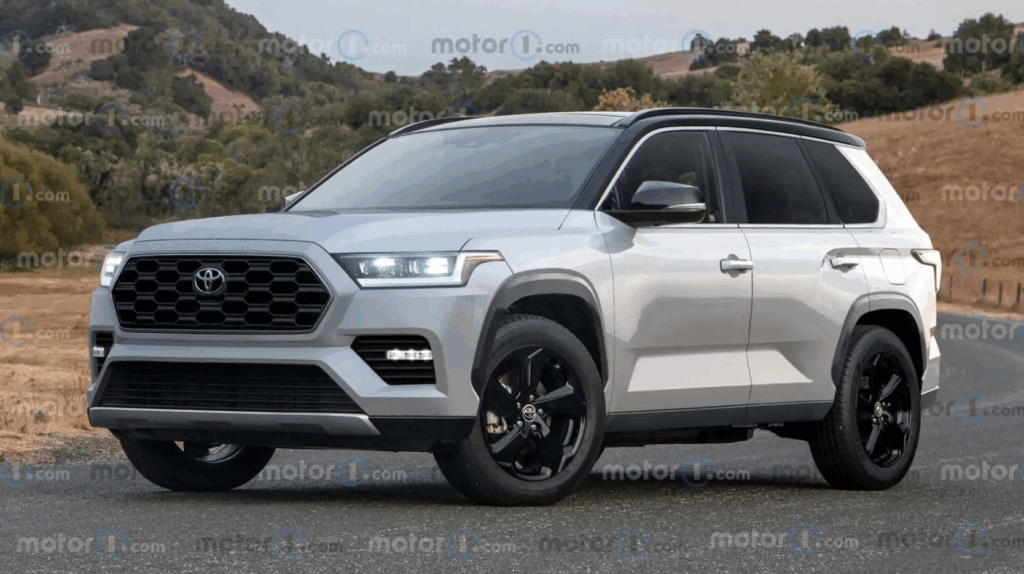
Let’s address the elephant in the room: yes, the 2026 Toyota RAV4 will carry a higher initial price tag than its outgoing gasoline-only predecessors. For instance, the entry-level 2026 RAV4 FWD sees an approximate $2,100 jump over its non-hybrid counterpart, pushing its base MSRP to around $33,350. This might initially deter some budget-conscious buyers who are accustomed to the lower entry point of traditional gasoline models. Yet, this upfront increase is merely one dimension of the value equation.
When we compare like-for-like hybrid models, the picture brightens considerably. Take the popular 2025 RAV4 Hybrid AWD LE trim, for example. The transition to the 2026 model sees a modest increase of only about $450. This small differential for an entirely new generation, benefiting from continuous R&D and manufacturing refinements, highlights Toyota’s commitment to keeping hybrid technology accessible.
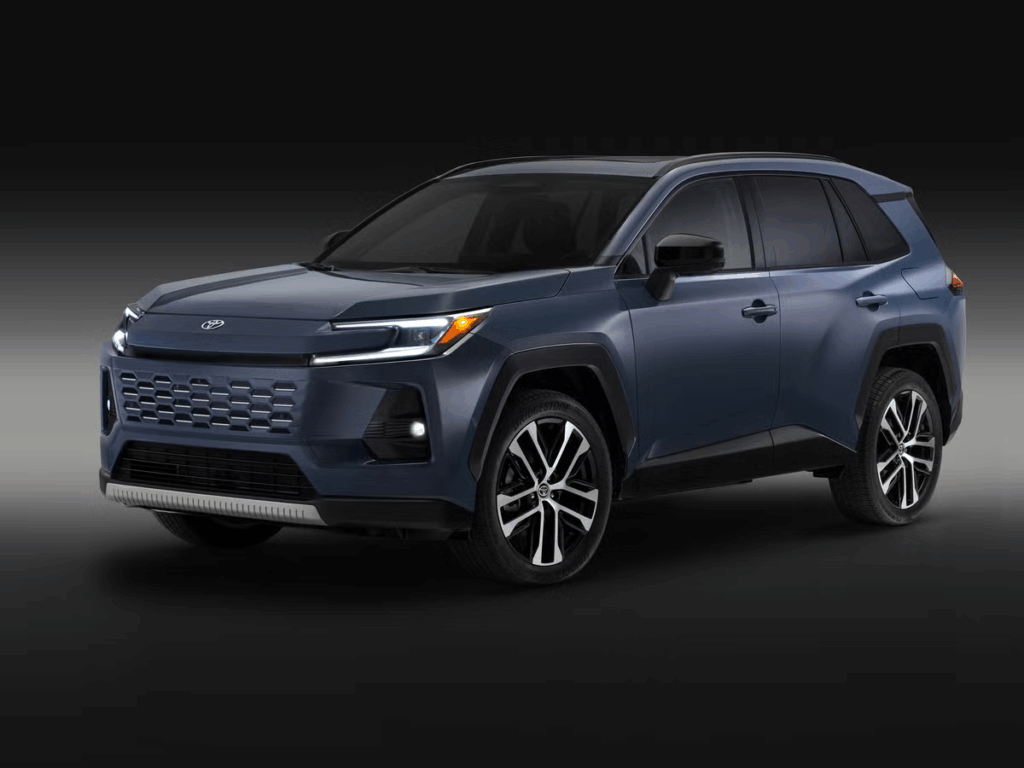
However, some trim levels will experience more substantial price adjustments. Upgrading from the outgoing non-hybrid XLE Premium FWD to its new hybrid iteration incurs a more significant leap of roughly $4,790, bringing its MSRP to around $37,550. Similarly, the adventure-oriented 2026 Woodland trim, which was already hybrid in 2025, sees an increase of approximately $3,830, settling at $41,350. These larger jumps often reflect not just the hybrid powertrain upgrade for previously non-hybrid trims but also enhanced standard features, improved materials, and advanced driver-assistance technologies that come with a new model year and a repositioned lineup. It’s an investment in a more sophisticated, more efficient, and ultimately, more modern vehicle experience.
High CPC Keywords to Consider: 2026 RAV4 price, hybrid SUV cost, new car investment, automotive technology upgrade.
Unpacking the True Value: Beyond the Sticker Price – Total Cost of Ownership
The true brilliance of Toyota’s all-hybrid strategy for the 2026 RAV4 lies in its profound impact on the total cost of ownership (TCO). This is where the initial sticker price recedes, and the long-term financial benefits of hybrid technology shine through, especially in the 2025/2026 market climate.
Unmatched Fuel Efficiency Savings:
This is, without a doubt, the most compelling argument for the hybrid RAV4. With gasoline prices projected to remain elevated and volatile through 2026, the superior miles per gallon (MPG) ratings of the hybrid powertrain translate directly into significant fuel efficiency savings. While official 2026 figures are pending, we can expect improvements over the already impressive 2025 hybrid models, which routinely deliver combined EPA estimates in the high 30s or even low 40s MPG. Compared to a conventional gasoline SUV struggling to hit 30 MPG, the hybrid RAV4 could save an average driver hundreds, if not over a thousand dollars, annually in fuel costs. Over a typical 5-7 year ownership period, these savings can easily offset a substantial portion, if not all, of the initial price premium. This is a critical factor for consumers looking to mitigate daily driving expenses.
Enhanced Reliability and Reduced Maintenance:
Toyota’s hybrid systems have an unparalleled reputation for hybrid reliability. With millions of hybrids on the road for decades, their systems have proven to be incredibly robust. Counterintuitively, many hybrid components often lead to reduced maintenance requirements. For instance, regenerative braking significantly extends the life of brake pads and rotors. The electric motor assists the gasoline engine, often reducing wear and tear on the internal combustion components, particularly in stop-and-go city driving. Furthermore, the absence of traditional starters and alternators, which are common failure points in conventional cars, further enhances overall dependability. While battery replacement is a common concern for potential hybrid owners, Toyota’s battery packs are designed to last the life of the vehicle, often backed by extended warranties (typically 8 years/100,000 miles or even 10 years/150,000 miles in some regions). This translates to peace of mind and lower long-term repair bills, representing a sound automotive technology investment.
Superior Resale Value:
Historically, Toyota hybrids, and specifically the RAV4 Hybrid, have consistently demonstrated high resale value. As the market increasingly favors fuel-efficient and sustainable vehicles, the demand for well-maintained hybrids is only poised to grow stronger by 2026. Buyers in the used car market are willing to pay a premium for a vehicle that offers proven reliability and significant fuel savings, ensuring that the 2026 RAV4 will retain its value better than many of its gasoline-powered counterparts and some less established hybrid rivals. This strong retention value contributes significantly to a lower TCO.
Elevated Driving Experience:
Beyond the financial advantages, the 2026 RAV4 Hybrid offers a refined and engaging driving experience. The seamless integration of electric and gasoline power delivers instant torque, resulting in smooth, brisk acceleration from a standstill. The quiet operation in electric-only mode at lower speeds contributes to a serene cabin environment, a noticeable upgrade over many traditional gasoline powertrains. For those opting for AWD variants, the electric motor on the rear axle provides quick, efficient, and intelligent traction management without the mechanical complexity and weight penalty of a traditional AWD system.
High CPC Keywords to Consider: Total Cost of Ownership Hybrid, Fuel Economy Savings, Hybrid Reliability Toyota, High Resale Value Hybrid, Sustainable Driving Solutions, Low Maintenance Hybrid, Best Hybrid SUV Value.
The Competitive Arena: 2026 RAV4 vs. Its Rivals
The 2026 RAV4 isn’t operating in a vacuum. It faces formidable competition in the fiercely contested compact SUV segment. However, Toyota’s all-hybrid strategy positions it uniquely against its primary rivals.
Against the American & Japanese Challengers:
Honda CR-V Hybrid: The CR-V Hybrid is a strong contender, lauded for its refined driving dynamics and spacious interior. Comparing entry-level hybrid AWD models, the 2026 RAV4 LE AWD emerges as a clear financial winner, coming in around $3,000 to $3,830 cheaper than the Honda CR-V Hybrid AWD Sport (which might fetch an MSRP around $38,580 in 2026). This significant upfront saving provides a powerful incentive for cost-conscious buyers. When we look at top trims, the RAV4 Limited AWD, at roughly $43,700, is quite competitive, being only about $1,050 more expensive than the CR-V Hybrid AWD Sport Touring. Given Toyota’s reputation for reliability and often more robust standard feature sets, this modest premium is easily justifiable. Crucially, in the rare segment of FWD compact hybrid SUVs, the RAV4 maintains a substantial price advantage, with its LE FWD trim potentially being $3,730 less than the entry-level CR-V Hybrid Sport FWD. This makes the RAV4 an undisputed champion for those prioritizing FWD efficiency.
Subaru Forester Hybrid: Assuming the 2026 model year sees a robust return or introduction of a Forester Hybrid (which the original article anticipates), the RAV4 also positions itself favorably. The Forester is renowned for its standard Symmetrical All-Wheel Drive and strong safety ratings. However, the 2026 RAV4 LE AWD could be around $3,265 cheaper than a comparable Forester Hybrid Premium (which might be priced around $38,015). Even at the top-tier, the RAV4 Limited AWD remains competitive, with only a marginal $35 difference against a Forester Hybrid Touring, essentially a wash. The Forester typically excels in off-road capability and visibility, appealing to a specific niche, but the RAV4 offers a more rounded package of efficiency, everyday practicality, and often more modern interior tech.
High CPC Keywords to Consider: RAV4 vs. CR-V Hybrid, Best Compact Hybrid SUV, AWD Hybrid performance comparison, SUV fuel efficiency ranking.
Against the Korean Contenders:
Kia Sportage Hybrid & Hyundai Tucson Hybrid: The Korean twins present a formidable challenge, particularly with their aggressive pricing and long warranties. The 2026 Kia Sportage AWD Hybrid S, at approximately $34,035, is potentially around $715 less than the RAV4 LE AWD. Similarly, the Sportage Hybrid AWD SX Prestige could be roughly $2,915 cheaper than a comparable RAV4, with its MSRP around $41,835. The Hyundai Tucson Hybrid AWD Blue SE, at about $33,800, also undercuts the base AWD RAV4, and its fully loaded Tucson Limited AWD trim, at approximately $43,425, is about $1,325 less than an equivalent RAV4.
These Korean models certainly offer compelling value, often packed with cutting-edge technology and bold design at a more accessible price point. However, the RAV4’s slight premium is often justified by its long-standing track record of hybrid reliability Toyota, superior resale value, and a refinement that comes from decades of hybrid powertrain development. While Kia and Hyundai have made tremendous strides, Toyota’s hybrid system is still largely considered the benchmark for efficiency and proven longevity. For many buyers, the peace of mind and long-term financial benefits associated with the RAV4’s proven platform outweigh the initial savings offered by its Korean counterparts.
High CPC Keywords to Consider: Kia Sportage Hybrid comparison, Hyundai Tucson Hybrid value, Affordable Hybrid SUV, Hybrid SUV market share.
The Electrified Spectrum: Embracing the RAV4 Prime
No discussion of the 2026 RAV4’s hybrid strategy would be complete without acknowledging the pinnacle of its electrification journey: the RAV4 Prime. Positioned as a plug-in hybrid electric vehicle (PHEV), the Prime takes the efficiency proposition even further. While it will undoubtedly be the priciest variant in the lineup, its 50-plus miles of electric-only range offers a unique advantage.
For many drivers, this range is sufficient to cover their daily commute entirely on electric power, meaning weeks or even months can pass between visits to the gas station. This translates to unparalleled PHEV benefits including near-zero tailpipe emissions for daily driving and significantly reduced reliance on gasoline. Charging at home overnight is convenient and cost-effective, leveraging potentially lower electricity rates. Furthermore, in 2026, the RAV4 Prime might still qualify for various federal, state, and local EV tax credits 2026 or incentives, further reducing its effective purchase price and making it a highly attractive option for environmentally conscious buyers or those looking to dip their toes into the EV world without range anxiety. The Prime represents a seamless bridge between conventional hybrids and full battery electric vehicles, offering the best of both worlds.
High CPC Keywords to Consider: RAV4 Prime electric range, PHEV benefits, Plug-in Hybrid SUV, EV tax credits 2026, Hybrid EV bridge.
Strategic Implications for the 2025/2026 Automotive Market
Toyota’s all-hybrid RAV4 lineup for 2026 is a bold statement, reflecting several key trends shaping the automotive industry. It acknowledges the increasing consumer demand for sustainable automotive solutions without alienating buyers who aren’t ready for a full EV. It reinforces Toyota’s long-standing leadership in electrification and positions the RAV4 as the go-to choice for those seeking the optimal blend of efficiency, practicality, and proven reliability in a compact SUV.
This move will likely force competitors to accelerate their own electrification strategies, further solidifying the hybrid as a mainstream powertrain option. For consumers, it simplifies the buying decision – instead of debating gas vs. hybrid, it shifts the conversation to which hybrid RAV4 trim best suits their needs and lifestyle. The upfront cost might be a point of discussion, but the long-term total cost of ownership and the environmental benefits paint a compelling picture of a smart, forward-thinking automotive technology investment.
A Smart Investment in an Evolving Future
The 2026 Toyota RAV4, with its entirely hybrid powertrain, is more than just a new model year update; it’s a recalibration of value. While the initial sticker price has adjusted to reflect the advanced technology, the true economic benefits unfold over the vehicle’s lifespan. From substantial fuel savings and legendary reliability to robust resale value and an elevated driving experience, the all-hybrid RAV4 is engineered to deliver superior long-term value compared to its conventional predecessors and many of its contemporary rivals. It’s a testament to Toyota’s vision, offering a practical, efficient, and reliable solution for the evolving demands of American drivers in 2026 and beyond.
The future of driving is undeniably leaning towards electrification, and with the 2026 RAV4, Toyota is not just participating in that future—it’s actively shaping it for the mainstream.
Ready to experience the next evolution of America’s favorite compact SUV? Visit your local Toyota dealership today to explore the 2026 Toyota RAV4 hybrid lineup and discover how its unparalleled efficiency and enduring value can transform your daily drive. Schedule your test drive and witness firsthand the intelligent engineering and sophisticated performance that define the future of sustainable mobility.