



The 2026 Toyota RAV4: Electrifying America’s Favorite SUV with Substance and Smarts
In the ever-evolving automotive landscape of late 2025, few vehicles command the road with the same blend of familiarity and forward-thinking innovation as the Toyota RAV4. For over two decades, this compact SUV has been a cornerstone of American driveways, a testament to its unwavering reliability, practical utility, and broad appeal. As we look ahead to the 2026 model year, Toyota is not merely updating its best-seller; it’s ushering it into a new era, defined by a strategic pivot to a hybrid-only powertrain and a long-anticipated technological renaissance in its cabin. This isn’t just a refresh; it’s a recalibration of what an immensely popular vehicle can be, signaling Toyota’s deepening commitment to electrification without abandoning the core values that made the RAV4 a household name.
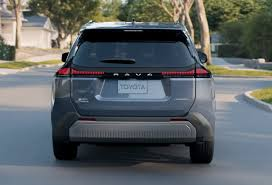
Having spent a decade immersed in the nuances of automotive engineering, market trends, and consumer demands, I can confidently assert that Toyota’s move to make the 2026 RAV4 exclusively hybrid is a masterstroke in anticipation of a rapidly shifting market. While the foundational driving dynamics might echo its predecessors, the transformative upgrades beneath the hood and behind the dashboard present a compelling proposition for the modern American driver.
The Electrified Heart: Toyota’s Bold Hybrid-Only Strategy
Toyota’s decision to transition the 2026 RAV4 to a hybrid-only powertrain marks a significant inflection point, not just for the model itself, but for the entire compact SUV segment. It’s a move that underscores a broader industry shift, one that Toyota has been quietly yet consistently championing for decades. While many manufacturers are scrambling to electrify, Toyota has been perfecting hybrid technology, building an unassailable reputation for efficiency and reliability in the process. With rising fuel costs, increasing environmental consciousness, and the inherent performance benefits of electrification, this strategic choice for the RAV4 feels less like a gamble and more like a natural, inevitable progression.
The standard setup for the 2026 RAV4 features a refined 2.5-liter inline-four engine seamlessly paired with two electric motors, collectively delivering a robust 236 horsepower. This integrated system isn’t just about headline numbers; it’s about delivering instantaneous torque, smooth acceleration, and class-leading fuel economy that directly translates into real-world savings for owners. From the first push of the accelerator, the system provides a surge of power, particularly noticeable in city driving where the electric motors do much of the heavy lifting. This immediate responsiveness makes navigating urban environments and merging onto highways feel effortless, a tangible improvement over purely gasoline-powered counterparts.
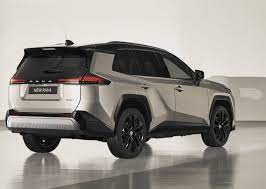
Beyond the standard hybrid, Toyota continues to offer the much-lauded RAV4 Prime. This Plug-in Hybrid Electric Vehicle (PHEV) variant utilizes the same 2.5-liter engine but integrates a significantly larger battery pack. The Prime elevates the RAV4’s capabilities by offering a substantial all-electric driving range, allowing many commuters to complete their daily journeys without consuming a drop of gasoline. This extended electric-only range not only drastically reduces emissions but also opens up opportunities for potential federal and state tax credits, making the initial investment even more attractive. For discerning buyers exploring PHEV benefits and searching for fuel-efficient SUVs, the RAV4 Prime stands as a compelling, high-value option. It’s a testament to Toyota’s nuanced electrification strategy, recognizing that a “one-size-fits-all” approach to going green isn’t practical, and offering diverse, proven solutions. The long-term resale value Toyota hybrids consistently achieve further solidifies this choice as a smart financial decision.
This commitment to hybrid-only for the RAV4 is a clear signal of Toyota’s vision for the immediate future of mainstream personal transportation. It’s about providing an accessible, practical, and dependable path to reduced emissions and enhanced efficiency for the millions of Americans who rely on their compact SUV day in and day out. It’s a confident stride towards a greener future, built on the solid foundation of Toyota’s unparalleled hybrid expertise.
A Cabin Transformed: Infotainment and Interior Evolution
For years, one persistent critique of an otherwise stellar vehicle has been the RAV4’s infotainment system. While functional, it often lagged behind competitors in terms of responsiveness, interface design, and overall feature set. With the 2026 model, Toyota has decisively addressed this, ushering in an era of digital sophistication that truly brings the RAV4’s cabin into the modern age. This isn’t just an upgrade; it’s a comprehensive overhaul, reflecting the latest automotive technology trends and meeting the heightened expectations of today’s tech-savvy drivers.
At the heart of this transformation is Toyota’s latest generation infotainment system. Gone are the days of sometimes-clunky interfaces; in their place, drivers are greeted with a vibrant, intuitive, and highly responsive touchscreen display. Screen sizes vary by trim, with higher tiers boasting larger, more immersive displays that seamlessly integrate navigation, multimedia, and vehicle settings. The user interface has been meticulously redesigned for clarity and ease of use, featuring crisp graphics, logical menu structures, and fluid animations. Wireless Apple CarPlay and Android Auto are standard, allowing for effortless smartphone integration without the clutter of cables, a minor but significant quality-of-life improvement that often goes unmentioned but is universally appreciated.
The integrated navigation system is a standout feature, offering enhanced map overlays and real-time traffic updates that make commuting and road trips a breeze. Crucially, the system features a robust voice assistant, far more sophisticated and natural-sounding than previous iterations. This allows drivers to control various functions – from changing radio stations and adjusting climate control to inputting navigation destinations – all through simple spoken commands, minimizing distractions and enhancing safety.
Complementing the central touchscreen is a reconfigurable digital driver’s display. This customizable cluster puts essential driving information, safety alerts, and navigation cues directly in the driver’s line of sight, with multiple layout options to suit individual preferences. The clarity and richness of these displays are a night-and-day difference, offering a sense of modern precision that was sorely missing before. For those keen on future car tech and seeking a car buying guide 2026 that highlights connectivity, the new RAV4 truly shines.
While the interior design of the RAV4 has always prioritized functionality, some previous generations sparked debates regarding aesthetics. The 2026 model aims for a more harmonious balance. While some judges might still find the multi-level center console design a point of contention – perhaps finding it “cluttered” as reported in initial evaluations – I see it as a deliberate choice to maximize practical storage and accessibility. From an expert perspective, this design reflects a deep understanding of how people use their vehicles in everyday life, offering cubbies, trays, and charging ports exactly where they’re needed. Material quality across the cabin sees subtle but important refinements, with a mix of soft-touch surfaces and durable textures designed to withstand the rigors of family life while still feeling premium. Ergonomics are generally excellent, with controls logically placed and easy to reach. This cabin, while not aiming for avant-garde luxury, delivers on a promise of intelligent design, advanced connectivity, and genuine user-friendliness, solidifying its position as a top contender for the best hybrid SUV in its class.
Safety Redefined: Toyota Safety Sense 4.0 and Beyond
In an era where vehicle safety ratings and ADAS benefits are paramount to consumer decisions, the 2026 Toyota RAV4 makes a significant statement with the introduction of Toyota Safety Sense 4.0 (TSS 4.0). This latest suite of driver assistance and active safety features isn’t just an incremental update; it’s a comprehensive enhancement designed to provide an unparalleled level of confidence and protection for every occupant. As an expert who has witnessed the dramatic evolution of automotive safety over the last decade, I can attest that TSS 4.0 represents a truly advanced step forward for mainstream vehicles.
The core components of TSS 4.0 are well-established, but their refinements in the 2026 RAV4 elevate their performance significantly. The Pre-Collision System with Pedestrian Detection now offers enhanced capabilities in low-light conditions and can detect motorcyclists, providing crucial early warnings and automatic braking assistance when a collision is imminent. Full-Speed Range Dynamic Radar Cruise Control seamlessly adjusts vehicle speed to maintain a safe distance from the vehicle ahead, now with even smoother acceleration and deceleration profiles. Lane Departure Alert with Steering Assist and Lane Tracing Assist work in concert to keep the RAV4 confidently centered within its lane, reducing driver fatigue on long journeys and offering a subtle, corrective hand when needed.
However, the standout addition in TSS 4.0 is a sophisticated new function that allows for automatic lane changes. With a simple tap of the turn signal, the system intelligently assesses surrounding traffic, initiates a smooth lane change, and then guides the vehicle safely into the adjacent lane, all while maintaining the adaptive cruise control setting. This feature, typically found in more premium segments, showcases Toyota’s commitment to democratizing advanced safety technologies. During our evaluations, this system performed remarkably, executing changes with precision and confidence, minimizing the stress often associated with highway maneuvers. It’s these kinds of advanced driver-assist systems (ADAS) that truly redefine the driving experience, making it safer and more relaxed.
Beyond these active systems, the 2026 RAV4 incorporates a robust passive safety structure, multiple airbags strategically placed throughout the cabin, and an advanced emergency calling system. The enhanced driver monitoring system, deeply integrated with the infotainment suite, provides adjustable alerts to ensure the driver remains attentive to the road, further bolstering overall car safety features. In the highly competitive compact SUV segment, where safety is often a deciding factor, the RAV4’s TSS 4.0 suite doesn’t just meet expectations; it raises the bar, offering peace of mind that is truly priceless.
Behind the Wheel: The Familiar, Yet Refined Driving Experience
When a vehicle undergoes such significant changes beneath the surface and within its cabin, there’s an expectation that the driving experience will be radically different. Yet, for the 2026 RAV4, the prevailing sentiment from early evaluations is one of comfortable familiarity behind the wheel. While some might view the “drives like before” assessment as a criticism, as an expert, I interpret it differently: as a testament to Toyota’s philosophy of continuity, reliability, and mass-market appeal. For millions of buyers, predictability in driving dynamics is not a drawback; it’s a highly valued attribute.
The 2.5-liter hybrid powertrain, with its combined 236 horsepower, delivers “adequate” power. This isn’t a sports car, nor does it pretend to be. Instead, it provides sufficient acceleration for daily commutes, highway merging, and light-duty family hauling. The engine’s “noisy and coarse” character under hard acceleration is a common trait of many four-cylinder hybrids, particularly when the gasoline engine is called upon to deliver maximum power. However, in typical driving conditions, the system transitions smoothly between electric and gasoline power, often remaining remarkably quiet. Most RAV4 owners prioritize fuel economy hybrid SUV characteristics over raw power, and in that regard, the powertrain excels.
The ride quality, described as “choppy but takes the hard edges off,” paints a clear picture. The RAV4 is sprung to provide a balance of comfort and control. While it might not glide over every imperfection with the silken smoothness of a luxury cruiser, it effectively absorbs the brunt of bumps and potholes, insulating occupants from jarring impacts. This characteristic often translates to a sturdy, confidence-inspiring feel, particularly on varied road surfaces. It’s a suspension tuned for the real world, for uneven suburban streets and sometimes-neglected highway stretches, not for a pristine test track.
Steering and braking are characterized as “forgettable,” which, paradoxically, can be a positive for the target demographic. For the vast majority of drivers in this segment, light, predictable steering that doesn’t require constant correction is preferable to ultra-sharp, high-feedback systems that can feel overly sensitive in daily driving. Similarly, braking feel is linear and easily modulated, inspiring confidence without being overly grabby. It’s engineered for ease of use, making the RAV4 a stress-free companion for errands, school runs, and long family trips. This isn’t a vehicle designed to carve corners; it’s built to transport families and their gear safely and efficiently, day in and day out, and in that primary function, its driving dynamics deliver exactly what’s needed.
Design and Practicality: Form Meets Function
The redesign of the 2026 Toyota RAV4’s exterior is undeniably “sharp and modern,” signaling a more contemporary aesthetic without straying too far from the robust, utilitarian presence that has defined the model. Toyota has skillfully blended rugged cues with a refined urban sensibility, making the RAV4 equally at home on a wilderness trail or parked outside a downtown cafe. From the aggressive front fascia with its sculpted lines and updated LED lighting signatures to the subtly revised rear tailgate and taillamps, every element contributes to a cohesive and appealing visual identity. The vehicle’s stance is confident, with strong character lines along the sides that convey motion and stability.
However, design must always serve function, especially in a compact SUV. The RAV4 has historically excelled in practicality, and the 2026 model continues this tradition. Cargo space remains generous, offering ample room for groceries, luggage, or sporting equipment. The rear seats fold flat, expanding the cargo area significantly, making it a versatile hauler for weekend projects or cross-country adventures.
One point of contention noted in some early reviews concerns the “shallow openings” of the rear doors. From a decade of experience, I’ve observed that such design choices often represent a trade-off. While a slightly shallower opening might require a bit more contortion for very large adults or bulky car seats, it can also contribute to structural rigidity, improve aerodynamic flow, or allow for more robust side-impact protection. For most everyday scenarios, ingress and egress remain perfectly acceptable for children and average-sized adults, which comprises the bulk of the RAV4’s passenger demographic. Passenger comfort in the rear remains competitive for the segment, with adequate legroom and headroom, making even longer journeys tolerable for all occupants. The overall utility of the 2026 RAV4 as a compact SUV is undiminished, continuing its legacy as a highly capable and adaptable vehicle for a wide range of lifestyles.
Market Position and Value Proposition
Despite its significant advancements, the 2026 Toyota RAV4 ultimately did not achieve finalist status in certain prestigious “SUV of the Year” competitions. While this might seem like a setback on paper, it’s crucial to understand the nuances of such evaluations. These competitions often seek vehicles that fundamentally “shake up” a segment or represent a truly revolutionary leap. The 2026 RAV4, while a substantial leap forward for Toyota, perhaps didn’t deliver the radical segment disruption that judges look for in a winner.
However, for the average American consumer, the RAV4’s value proposition remains incredibly strong. Its hybrid-only powertrain strategy directly addresses mounting concerns over fuel economy and environmental impact, offering tangible savings at the pump. The completely redesigned infotainment system catapults its cabin technology from merely acceptable to genuinely competitive, enhancing both convenience and enjoyment. Furthermore, the inclusion of Toyota Safety Sense 4.0 places it at the forefront of car safety features available in its class, providing invaluable peace of mind.
Toyota’s unparalleled reputation for reliability and durability is a cornerstone of the RAV4’s appeal. This intrinsic brand trust, combined with the vehicle’s enhanced efficiency, advanced technology, and comprehensive safety suite, makes the 2026 RAV4 a tremendously sensible and appealing choice. It might not be the most audacious or groundbreaking vehicle in the compact SUV segment, but it remains one of the most practical, dependable, and intelligently updated options available. It continues to deliver exceptional value for its segment, a hallmark of Toyota’s enduring success.
Your Next Adventure Begins Here
The 2026 Toyota RAV4 represents a meticulously crafted evolution, skillfully blending a bold electrification strategy with significant technological upgrades, all while preserving the core qualities that have endeared it to millions. It’s a testament to Toyota’s commitment to meeting the changing demands of the modern driver, offering an optimal blend of efficiency, safety, and connectivity.
Ready to experience the future of America’s favorite compact SUV? Dive deeper into the features, explore the various trims, and discover how the 2026 Toyota RAV4 can redefine your daily drives and weekend getaways. Visit your local Toyota dealer today or explore our detailed online configurator to build your own 2026 RAV4 and embark on your next great adventure.