



The Dawn of the Extended-Range Electric Vehicle: Ford Reimagines the Future of the F-150 with a 700-Mile Hybrid Powerhouse
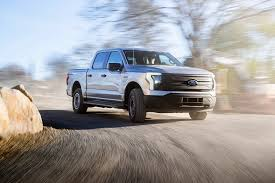
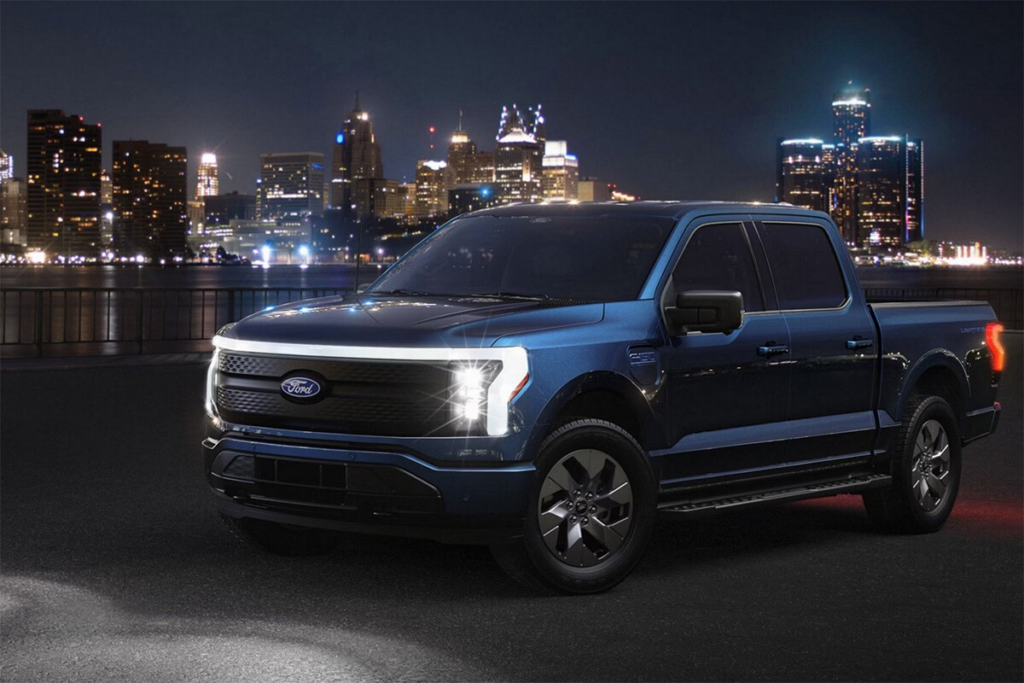
For a decade, the automotive landscape has been in a state of perpetual flux, driven by ambitious electrification goals and the ever-present challenge of consumer adoption. As an industry veteran with ten years navigating these shifting sands, I’ve witnessed firsthand the exhilarating highs and the sobering lows of bringing new automotive technologies to market. Today, Ford is making a significant strategic pivot, one that underscores the evolving realities of the truck market and the practical demands of American drivers. The purely electric F-150 Lightning, as we’ve known it, is being retired. In its place, Ford is set to unveil a next-generation F-150 that embraces an extended-range electric vehicle (EREV) architecture, promising an unprecedented 700 miles of total range and significantly enhanced towing capabilities. This isn’t a retraction; it’s a calculated recalibration designed to meet the market where it is, while charting a course for a more sustainable and profitable future.
The decision to transition the F-150 Lightning’s successor to an EREV configuration, where an internal combustion engine acts solely as a generator, is a strategic move that echoes recent shifts within the industry, most notably seen with Stellantis and its Ram brand. Initially, Ram had ambitious plans for both a fully electric truck (REV) and an EREV (Ramcharger). However, the lukewarm reception and sales figures for pure battery-electric trucks in the current market – a trend evident in the Lightning’s own trajectory – led Ram to shelve the REV in favor of concentrating all resources on the Ramcharger EREV. Ford is now employing a similar playbook, albeit with a considerably more substantial investment and development cycle already behind the all-electric Lightning. This pivot represents a significant financial undertaking for Ford, with an estimated impact of $19.5 billion. This move also places Ford in the company of other major players like Volkswagen’s Scout brand, which is also exploring EREV technology for its upcoming trucks and SUVs.
Andrew Frick, President of Ford Blue and Ford Model e, emphasizes that this strategic recalibration is fundamentally “customer-driven.” Ford is meticulously analyzing the current market dynamics, moving away from projections made half a decade ago. The prevailing sentiment among consumers today is a demand for vehicles that are not only financially accessible but also equipped with the necessary range to seamlessly integrate into their daily lives and longer journeys. The forthcoming F-150 Lightning EREV, with its headline-grabbing 700-mile range, directly addresses this crucial consumer need. Furthermore, Ford has articulated a clear roadmap for introducing a family of more affordable EVs, beginning with a compact pickup truck slated for release in 2027. This phased approach signals a balanced strategy, acknowledging both the immediate market realities and the long-term vision for electrification. By 2030, Ford anticipates that hybrids, EREVs, and EVs will collectively account for half of its global sales volume, a dramatic increase from the current 17 percent, and crucially, this diversified lineup is projected to be profitable.
This strategic shift also positions Ford to capitalize on a burgeoning new market: battery energy storage. Rather than allowing its joint-venture battery plants in Kentucky and Michigan to sit idle, Ford intends to leverage these facilities and their existing licenses to produce Lithium Iron Phosphate (LFP) batteries. This move will enable Ford to enter the energy storage business, a sector experiencing rapid growth, particularly driven by the insatiable demand from data centers and other grid-scale energy consumers. These plants were originally designated to produce batteries for the next generation of large electric vehicles, codenamed T3, a program now officially canceled. The transition will unfortunately necessitate workforce reductions in the short term, impacting approximately 1,600 employees at the Kentucky 1 battery plant. However, Ford plans to subsequently hire around 2,100 new workers to spearhead the production and shipping of 20-gigawatt-hour (GWh) storage systems commencing in 2027. A similar operational restructuring and workforce recalibration is expected at the Marshall, Michigan, plant.
Beyond the F-150, Ford’s vision for its product portfolio extends to a broader range of trucks, SUVs, and vans. The company plans to expand job opportunities at its Ohio plant, which currently manufactures commercial vans, with the introduction of a new gasoline-powered and hybrid van. Simultaneously, at another Blue Oval facility in Kentucky, Ford’s updated strategy involves the production of gasoline-powered F-Series trucks and the development of a new, smaller, and more affordable pickup truck. This multi-pronged approach highlights Ford’s commitment to serving diverse customer segments with a variety of powertrain options tailored to their specific needs and budgets.
The implications of Ford’s move towards EREVs extend beyond vehicle manufacturing. It signifies a pragmatic acknowledgment of the current infrastructure landscape and consumer charging habits. While the allure of zero-emission driving is undeniable, the realities of charging availability, charging times, and upfront vehicle costs remain significant hurdles for mass adoption, particularly in the truck segment. EREVs offer a compelling bridge, providing the benefits of electric propulsion for daily commuting and short trips, while the gasoline engine offers the peace of mind and flexibility for longer hauls or areas with less developed charging infrastructure. This hybrid approach addresses the “range anxiety” that has plagued the widespread adoption of pure electric vehicles, especially for demanding applications like towing and hauling. For consumers in markets like Dallas, Phoenix, or Denver, where long-distance travel is common, the prospect of a Ford F-150 hybrid with over 700 miles of range is incredibly attractive.
This strategic pivot also has significant implications for the electric truck market in general. The initial enthusiasm and aggressive production targets for some manufacturers may now be tempered by the demonstrated market preference for more versatile and practical solutions. Ford’s decision, backed by its extensive market research and customer feedback, suggests that the path to widespread electric truck adoption may be more gradual and evolutionary than initially anticipated. This could pave the way for increased investment in hybrid truck technology, plug-in hybrid trucks, and vehicles that offer flexible charging solutions. For businesses operating fleets, especially those involved in commercial truck leasing or fleet management services, understanding these evolving powertrain options is crucial for making informed purchasing decisions. The prospect of long-range hybrid trucks could redefine operational efficiency and total cost of ownership for many commercial operations.
The focus on affordability is another critical element of Ford’s new strategy. The initial F-150 Lightning, while technologically advanced, carried a premium price tag that limited its accessibility to a broader consumer base. The promise of a more affordable EV lineup, starting with a small pickup in 2027, suggests Ford is actively working to democratize electric vehicle ownership. This aligns with the growing demand for affordable electric trucks and the need to make sustainable transportation options available to a wider segment of the population. For individuals seeking used electric trucks or considering electric truck incentives, this shift in Ford’s strategy could influence future market dynamics and the availability of pre-owned electric vehicle options.
Furthermore, Ford’s foray into the battery storage business is a shrewd move that diversifies its revenue streams and strengthens its position in the broader energy ecosystem. By manufacturing LFP batteries, Ford is not only securing a supply chain for its own vehicles but also tapping into a rapidly growing external market. This vertical integration can lead to cost efficiencies and greater control over production, crucial for long-term profitability. The demand from data centers and grid operators for reliable energy storage solutions presents a significant opportunity, potentially offsetting some of the development costs associated with its automotive electrification efforts. This strategy also aligns with the growing trend of vehicle-to-grid (V2G) technology, where electric vehicles can not only draw power from the grid but also supply it back, offering a more resilient and dynamic energy infrastructure. For those interested in sustainable energy solutions or home battery storage, Ford’s involvement could offer new avenues for innovation.
The success of this transition will hinge on several factors. Firstly, the execution of the EREV powertrain needs to be flawless, delivering on the promised range and towing capabilities without compromising on the F-150’s renowned performance and durability. Secondly, Ford must effectively communicate the value proposition of the EREV to consumers, clearly articulating the benefits of this hybrid approach and dispelling any lingering skepticism about the technology. Thirdly, the successful introduction of its more affordable EV lineup will be critical for capturing a larger share of the evolving automotive market. The competitive landscape for electric trucks for sale is intensifying, with new entrants and established players all vying for market dominance. Ford’s ability to offer compelling and accessible electric options will be paramount.
For consumers in regions like California, where strict emissions regulations and a strong preference for electric vehicles are prevalent, the EREV might serve as an interim solution, bridging the gap until fully electric options become more practical and affordable. However, the significant range of the proposed hybrid F-150 could still appeal to a broad audience, even in EV-friendly states, especially for those who frequently undertake long-distance travel or live in areas with limited charging infrastructure. The phrase “hybrid F-150 for sale” is likely to become increasingly common, reflecting this shift in consumer preference and manufacturer strategy.
The automotive industry is a complex ecosystem, and manufacturers are constantly adapting to technological advancements, economic pressures, and shifting consumer desires. Ford’s decision to pivot the F-150 Lightning to an extended-range electric vehicle architecture is a testament to this adaptability. It’s a move that prioritizes practicality, affordability, and proven consumer demand, while still embracing a forward-looking approach to electrification and energy solutions. As an industry insider, I view this as a pragmatic and intelligent step that positions Ford to navigate the evolving automotive landscape with resilience and foresight. The coming years will undoubtedly bring more innovation and strategic realignments across the entire automotive sector, but for now, the promise of a 700-mile range on a Ford truck represents a compelling new chapter in the story of automotive evolution.
Are you ready to explore the future of the F-150 and understand how this innovative EREV technology can benefit your driving needs? We invite you to connect with our team to learn more about upcoming models, discuss your specific requirements, and discover how Ford’s latest advancements are redefining the American pickup truck experience.