



Ford F-150 Lightning Electrifies Future with Extended-Range Hybrid Powertrain: A New Era for Electric Trucks
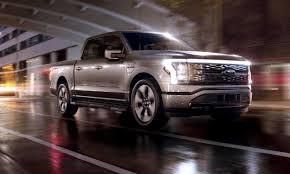
The automotive landscape is in perpetual motion, and at the forefront of this evolution stands the Ford F-150, a nameplate synonymous with American utility and power. In a significant strategic maneuver, Ford has announced a pivotal shift for its highly anticipated next-generation F-150 Lightning, opting for an innovative extended-range electric vehicle (EREV) powertrain. This bold decision marks a departure from the pure battery-electric model previously envisioned, promising unprecedented range and enhanced towing capabilities, effectively redefining the benchmark for electric pickup trucks in 2025 and beyond.
For those closely following the trajectory of electric vehicles, particularly within the demanding segment of pickup trucks, this announcement echoes a growing trend and a pragmatic response to evolving market dynamics. The initial iteration of the F-150 Lightning, while ambitious, faced a market that, at the time of its introduction, exhibited a degree of uncertainty regarding the widespread adoption of all-electric pickups. This is a sentiment shared across the industry, as manufacturers recalibrate their strategies to align with consumer preferences and the practicalities of daily use.
Navigating the Electric Vehicle Market: A Strategic Pivot
This strategic pivot by Ford is not an isolated event; it mirrors similar adjustments being made by other leading automotive giants. The industry has observed a cautious optimism surrounding the pure electric truck market, with early sales figures prompting a re-evaluation of rollout plans. Competitors have similarly pivoted, prioritizing EREV technology as a bridge to a fully electrified future, one that addresses range anxiety and infrastructure limitations head-on.
The decision to transition the F-150 Lightning to an EREV platform, where an internal combustion engine acts solely as a generator to extend the electric range, is a testament to Ford’s commitment to meeting customer needs. This approach allows for the familiar benefits of electric driving – instant torque, quiet operation, and reduced emissions – while simultaneously mitigating the range limitations that have historically been a barrier to entry for many potential electric truck buyers. The prospect of an F-150 Lightning boasting over 700 miles of total range is a game-changer, offering unparalleled freedom and flexibility for those who rely on their trucks for demanding work or extended journeys.
The Genesis of the EREV F-150 Lightning: Addressing Real-World Demands
Andrew Frick, President of Ford Blue and Ford Model e, emphasizes that this strategic recalibration is “customer driven.” The company is not simply reacting to market trends but actively listening to what consumers desire. In today’s economic climate, affordability and practicality are paramount. Customers require vehicles that can seamlessly integrate into their lifestyles without compromising on capability or convenience. The EREV F-150 Lightning directly addresses these concerns, offering a compelling blend of innovation and utility.
The previous emphasis on a purely electric next-generation Lightning, which was deep in development, represents a significant investment and a notable financial adjustment for Ford. The company has openly acknowledged a substantial financial impact associated with this strategic shift, underscoring the magnitude of this decision. However, the long-term vision is one of sustainable profitability and market leadership.
Beyond the Pickup: A Broader Electrification Strategy
Ford’s vision extends beyond just the F-150 Lightning. The company is committed to introducing a family of more affordable electric vehicles, beginning in 2027 with a compact pickup truck. This broader strategy aims to democratize electric vehicle ownership, making sustainable transportation accessible to a wider demographic. By 2030, Ford anticipates that hybrids, EREVs, and pure EVs will constitute half of its global sales volume, a significant leap from the current 17 percent, with profitability at the core of this transition.
The implications of this strategic pivot are far-reaching, influencing not only vehicle production but also the company’s approach to battery technology and energy storage.
Venturing into Battery Storage: A New Frontier for Ford
In a move that further diversifies its business model and capitalizes on emerging market opportunities, Ford is poised to enter the battery storage sector. The automaker plans to leverage its joint-venture battery plants in Kentucky and Michigan, originally intended for next-generation electric vehicles like the now-canceled T3 program, for the production of Lithium Iron Phosphate (LFP) batteries. These batteries will not only power future Ford vehicles but will also be utilized in large-scale energy storage systems.
This strategic diversification is driven by the burgeoning demand for grid-scale energy storage solutions, particularly from data centers and other critical infrastructure. By repurposing its battery manufacturing capabilities, Ford aims to create new revenue streams and contribute to the stability and efficiency of the power grid. This move also signifies a commitment to optimizing its investments and adapting to a rapidly evolving energy landscape.
The transition will inevitably involve workforce adjustments. While some employees in the battery joint ventures may face layoffs, Ford plans to hire approximately 2,100 new workers to support its energy storage systems production, with shipments expected to commence in 2027. Similar initiatives are planned for the Marshall, Michigan, plant, ensuring a streamlined and efficient integration of these new operations.
Expanding the Commercial Vehicle Lineup: A Focus on Vans and Trucks
Ford’s strategic recalibration also includes an expansion of its commercial vehicle offerings. The company intends to increase production and jobs at its Ohio plant, which currently manufactures commercial vans. This expansion will be accompanied by the introduction of new gasoline and hybrid van models, catering to the diverse needs of its commercial clientele.
Furthermore, at another Blue Oval plant in Kentucky, Ford’s revised plan involves the production of gasoline-powered F-Series trucks, alongside a new, smaller, and more affordable pickup truck. This dual approach acknowledges the continued demand for traditional internal combustion engine trucks while also signaling Ford’s commitment to offering a wider range of pickup truck options across different powertrain configurations and price points.
The Road Ahead: Innovation and Customer-Centricity
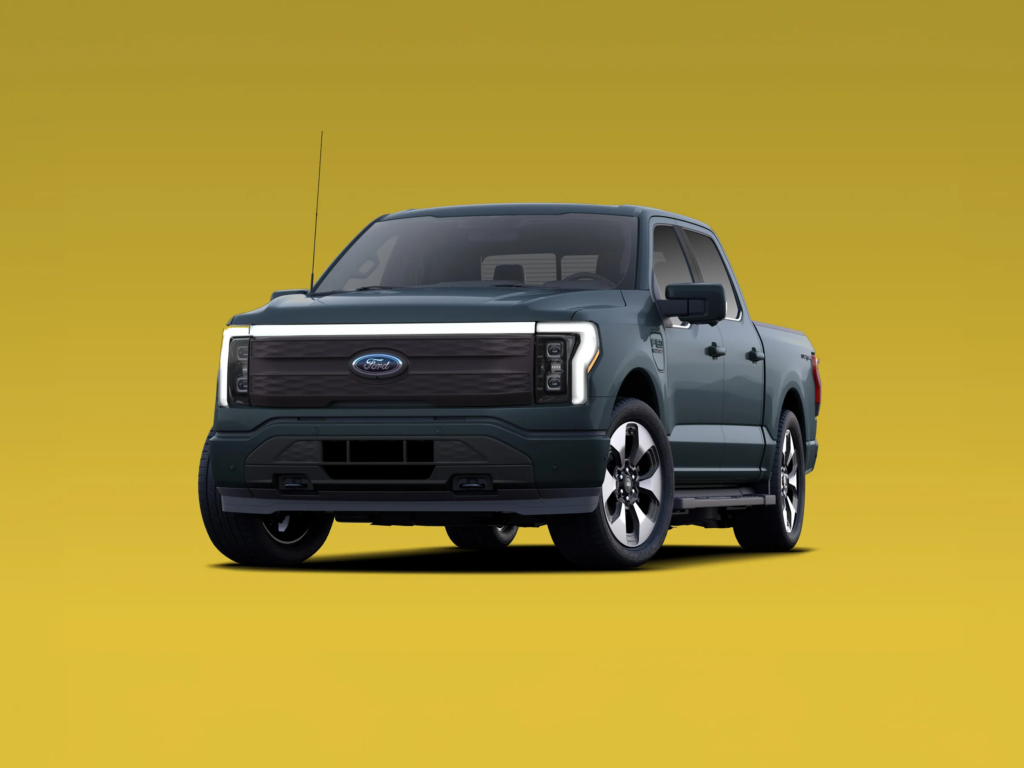
The evolution of the Ford F-150 Lightning into an extended-range electric vehicle represents a significant moment in the automotive industry. It underscores Ford’s agility in adapting to market demands, its commitment to innovation, and its unwavering focus on delivering vehicles that meet the practical needs of its customers. This strategic pivot, while ambitious, is poised to strengthen Ford’s position as a leader in the electrified future, offering compelling solutions that combine performance, efficiency, and unparalleled range.
The development of the EREV F-150 Lightning signifies more than just a powertrain change; it’s a holistic reimagining of what an electric pickup truck can be. By embracing a hybrid approach, Ford is not only addressing current market hesitations but is also laying a robust foundation for future advancements in electric mobility. The focus on affordability, extended range, and the integration of advanced battery technologies demonstrates a forward-thinking strategy designed to capture a significant share of the evolving automotive market.
The move into the battery storage business is particularly noteworthy. It positions Ford as a player in the broader energy ecosystem, not just a vehicle manufacturer. This diversification provides a buffer against the cyclical nature of automotive sales and opens up new avenues for growth and technological development. The utilization of existing battery manufacturing facilities and expertise to produce LFP batteries for both vehicles and grid storage is a smart and efficient allocation of resources.
As Ford navigates this complex transition, the emphasis on customer-driven decisions and market realities will be crucial. The success of the EREV F-150 Lightning will depend on its ability to deliver on its promise of enhanced range and capability, while also remaining competitively priced. The commitment to introducing more affordable EVs in the coming years is a positive sign for consumers who have been waiting for more accessible electric vehicle options.
The automotive industry is on the cusp of a transformative era, and Ford is demonstrating its capacity to lead through strategic adaptation and unwavering innovation. The next generation of the F-150 Lightning is poised to set a new standard, not just for Ford, but for the entire electric truck segment, offering a glimpse into a future where capability, sustainability, and practicality converge.
This comprehensive strategy, encompassing not only a redefined electric truck but also diversification into energy storage and an expanded commercial vehicle lineup, showcases Ford’s holistic approach to the future of mobility. The company is not merely building vehicles; it is actively shaping the energy landscape and redefining the very concept of transportation.
The journey towards a fully electrified future is a marathon, not a sprint, and Ford’s current strategy with the extended-range electric F-150 Lightning exemplifies a pragmatic and customer-focused approach to navigating this evolving terrain. The commitment to delivering over 700 miles of range is a powerful statement of intent, addressing one of the most significant barriers to electric truck adoption.
For consumers seeking a robust, capable, and increasingly sustainable pickup truck solution, the advent of the EREV F-150 Lightning presents a compelling new option. The blend of electric power with extended range ensures that this iconic American workhorse remains at the forefront of utility and performance, no matter the task or the distance.
If you’re a fleet manager seeking to optimize your operational efficiency with advanced, range-capable electric vehicles, or an individual truck enthusiast eager to experience the future of pickup performance and sustainability, exploring the innovative EREV F-150 Lightning is the logical next step. Contact your local Ford dealership or visit Ford’s official website to learn more about its groundbreaking capabilities and to schedule your own firsthand experience with this revolutionary vehicle.