



The Next Generation F-150 Lightning: A Bold Evolution Towards Extended-Range Electric Vehicles
The landscape of automotive innovation is perpetually shifting, and nowhere is this more evident than in the rapidly evolving world of electric vehicles. As an industry veteran with a decade immersed in this transformative sector, I’ve witnessed firsthand the ambitious leaps and necessary course corrections that define progress. Today, we stand at a fascinating juncture, a moment that underscores the dynamic nature of technological adoption and consumer preference. Ford’s recent strategic pivot regarding its flagship electric pickup, the F-150 Lightning, exemplifies this ongoing evolution, signaling a significant shift towards an extended-range electric vehicle (EREV) architecture for its next iteration. This move, while marking the end of the current all-electric F-150 Lightning as we know it, heralds a new era of electrified capability for one of America’s most iconic trucks.
For years, the promise of a purely electric future has captivated the automotive industry and consumers alike. The F-150 Lightning, launched with considerable fanfare, represented Ford’s unwavering commitment to this vision. However, the reality of the market, particularly for large, work-oriented vehicles like pickup trucks, has proven to be more nuanced. Sales figures, while respectable, haven’t always met the aggressive projections that often accompany disruptive technology. This is not a condemnation of electric vehicles themselves, but rather a recognition that the optimal path to widespread adoption, especially for high-demand segments, may involve stepping stones that address immediate consumer concerns around range, charging infrastructure, and overall affordability.
Ford’s decision to reorient the F-150 Lightning towards an EREV powertrain is a calculated response to these market dynamics. This approach strategically leverages the benefits of electrification while mitigating some of the perceived drawbacks of current battery-electric technology. The core concept of an EREV involves an internal combustion engine that acts solely as a generator, providing power to an electric motor that drives the wheels. This eliminates range anxiety, a significant barrier for many potential EV buyers, by allowing for convenient refueling with gasoline when a charging station isn’t readily accessible. It’s a pragmatic solution that bridges the gap between traditional internal combustion engine vehicles and fully electric models, offering a compelling blend of sustainable power and familiar practicality.
This strategic realignment by Ford echoes a similar trajectory observed with a key competitor. Stellantis, for instance, initially planned for both a pure battery-electric Ram truck (the REV) and an EREV variant (the Ramcharger). However, as market signals indicated a less robust demand for purely electric pickups than initially anticipated, Ram shifted its focus predominantly to the EREV Ramcharger. This parallel strategy underscores a growing consensus within the industry: for certain vehicle segments, the extended-range electric vehicle offers a more commercially viable and consumer-appealing pathway to electrification in the short to medium term. Ford’s adoption of this strategy, even after substantial investment in the all-electric Lightning, demonstrates a willingness to adapt and prioritize long-term success and market relevance over rigidly adhering to an initial product roadmap. The financial implications of such a pivot are substantial, underscoring the magnitude of this strategic recalibration, but the projected long-term benefits in terms of market penetration and profitability are deemed to outweigh the immediate costs.
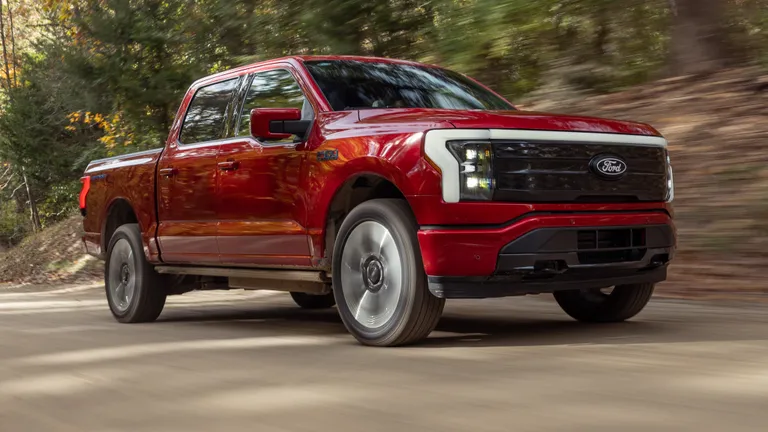
The forthcoming generation of the F-150 Lightning, powered by this EREV architecture, is anticipated to deliver a remarkable driving range exceeding 700 miles. This figure dramatically addresses one of the primary concerns for truck owners: the ability to undertake long journeys, haul substantial loads, or navigate challenging terrains without the constant worry of depleting battery reserves. Such an extended range not only enhances the utility of the F-150 Lightning for traditional truck applications but also positions it as a highly capable and versatile vehicle for a broader spectrum of consumers who may have previously hesitated to embrace electric powertrains due to range limitations. This focus on delivering tangible benefits like increased range and robust towing capabilities, coupled with an emphasis on affordability, reflects a keen understanding of current customer demands.
Looking ahead, Ford has articulated a clear vision for its electrified future, projecting that by 2030, hybrids, EREVs, and pure EVs will constitute half of its global sales volume. This represents a significant increase from the current 17 percent, indicating an aggressive and comprehensive strategy to transition its diverse product portfolio. Crucially, this transition is underpinned by a commitment to ensuring profitability. This suggests a strategic approach that balances innovation with sound financial planning, aiming to deliver sustainable growth in the electrified automotive market. The introduction of a new family of more affordable EVs, beginning in 2027 with a compact pickup, further solidifies this commitment to broad market accessibility.
Beyond vehicle powertrains, Ford is also making strategic moves to capitalize on the burgeoning energy storage market. The company intends to utilize its joint-venture battery plants, originally slated for next-generation electric vehicle batteries, for the production of LFP (lithium iron phosphate) batteries. These batteries will be repurposed for stationary energy storage solutions, catering to the growing demand from data centers and other grid-scale applications. This initiative not only helps to avoid idling valuable manufacturing assets but also positions Ford as a significant player in the broader energy ecosystem. The transition involves significant workforce adjustments, with the reallocation of existing employees and the hiring of new personnel to meet the demands of this new venture. This foresight in integrating vehicle manufacturing with energy solutions showcases a holistic approach to the electrified economy.
The strategic shift also extends to Ford’s manufacturing footprint and product pipeline. Plans are in motion to expand operations at the Ohio plant, which currently produces commercial vans, and to introduce new gasoline and hybrid van models. This ensures that Ford continues to serve its commercial customer base with a range of powertrain options that meet their diverse operational needs. Concurrently, at another Blue Oval facility in Kentucky, the focus will shift to producing gasoline-powered F-Series trucks alongside the development of a new, smaller, and more affordable pickup truck. This multi-pronged approach allows Ford to cater to various market segments, maintain its strong foothold in the traditional truck market, and simultaneously introduce more accessible electrified options.
The ramifications of these strategic decisions are profound, not just for Ford but for the entire automotive industry. They highlight the critical importance of market responsiveness and adaptability. The initial enthusiasm for all-electric vehicles was undeniable, but the practicalities of consumer adoption, infrastructure development, and economic viability have necessitated a more measured and phased approach. The EREV powertrain, as embodied by the next-generation F-150 Lightning, represents a pragmatic and intelligent solution that caters to the immediate needs and concerns of a vast customer base, particularly in the highly competitive truck segment.
The evolution of the F-150 Lightning is a compelling case study in how established automotive giants navigate the complexities of technological disruption. By embracing an extended-range electric vehicle architecture, Ford is not abandoning its electrification goals; rather, it is refining its strategy to ensure a more sustainable and successful transition. This move prioritizes customer needs for range and capability, leverages existing manufacturing strengths, and opens up new avenues for growth in related energy sectors. The coming years will undoubtedly reveal the full impact of this bold evolution, but it is clear that Ford is charting a course designed for long-term leadership in the electrified automotive landscape, ensuring its iconic F-150 continues to be a dominant force for generations to come.
The automotive industry is in constant flux, and staying ahead requires foresight, flexibility, and a deep understanding of evolving consumer demands. If you’re a business owner or fleet manager considering your next vehicle acquisition, exploring the nuances of EREV technology and how it can benefit your operations is a strategic imperative. We invite you to consult with our team of industry specialists to navigate these exciting new developments and determine the optimal electrified solutions for your specific needs, ensuring your fleet remains at the forefront of efficiency and capability.