



The Future of the F-150 Lightning: A Strategic Pivot to Extended Range Electric Vehicles
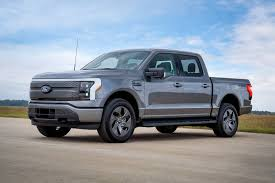
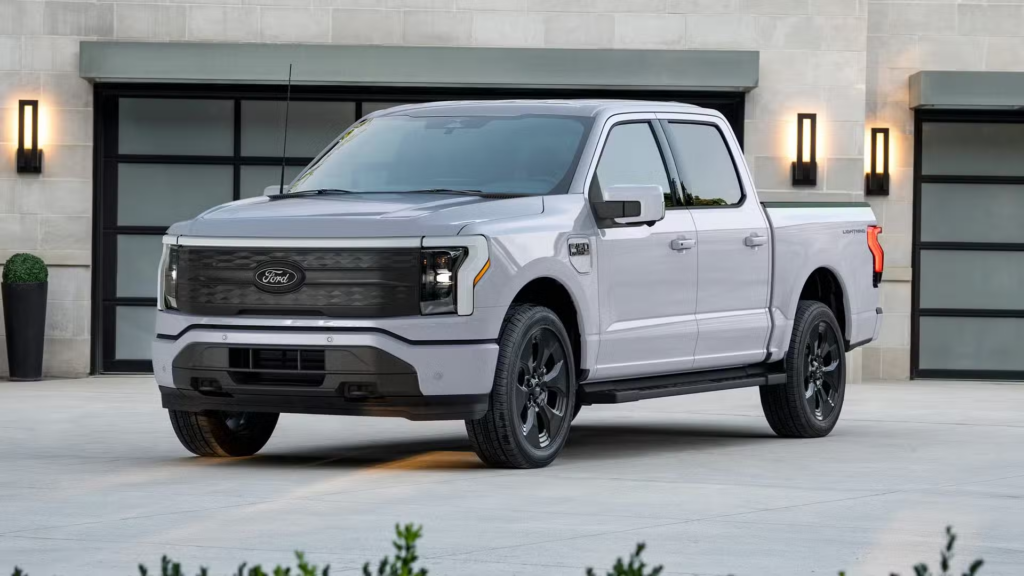
For decades, the Ford F-150 has been synonymous with American capability, a cornerstone of the pickup truck market. As the automotive industry navigates the complex transition towards electrification, Ford’s initial foray with the all-electric F-150 Lightning marked a bold statement of intent. However, the market’s evolving demands and a deeper understanding of consumer needs have prompted a significant strategic shift. The future of Ford’s electric pickup, far from being dead, is set to be redefined by a groundbreaking extended-range electric vehicle (EREV) platform, promising unprecedented range and towing prowess.
This pivot, while dramatic, reflects a pragmatic response to current market realities. The initial vision of a purely battery-electric F-150 Lightning, as originally conceived, is indeed evolving. Production of the current all-electric model has ceased, with Ford strategically repurposing its manufacturing capacity. The iconic Rouge plant, once earmarked for the next generation of EVs, is now dedicated to producing F-Series trucks with internal combustion engines – a move that underscores the automaker’s agile adaptation to consumer preferences. This isn’t a retreat from electrification, but rather a sophisticated recalibration, focusing on a hybrid approach that offers immediate benefits without compromising long-term sustainability goals.
The New Paradigm: Extended-Range Electric Vehicle (EREV)
The heart of this transformation lies in the development of an extended-range electric vehicle (EREV) architecture. Unlike a traditional hybrid where the electric motor and gasoline engine work in tandem to propel the vehicle, an EREV utilizes an internal combustion engine solely as an onboard generator to charge the battery. This system allows the vehicle to operate on electric power for the vast majority of its driving, drawing energy from a larger battery pack, while the generator provides supplemental power and extends the overall range significantly. This approach effectively bridges the gap between pure electric vehicles and traditional gasoline-powered trucks, addressing key consumer concerns about range anxiety and charging infrastructure availability.
The implications for the next-generation F-150 are profound. Ford has confirmed that this new EREV F-150 will offer a remarkable driving range exceeding 700 miles on a single charge, a figure that significantly surpasses current electric truck capabilities and rivals that of many gasoline-powered counterparts. This extended range, coupled with enhanced towing capacity, directly addresses the core needs of F-150’s loyal customer base, particularly those who rely on their trucks for demanding work or long-distance adventures. The exact production timeline for this groundbreaking vehicle remains under wraps, with development continuing at Ford’s Dearborn facilities.
A Market-Driven Evolution, Not a Retreat
This strategic realignment is not an isolated incident within the automotive landscape. It mirrors a broader industry trend, notably exemplified by rival Stellantis. Initially, Ram announced plans for both a pure battery-electric truck (REV) and an EREV variant (Ramcharger). However, as the market for fully electric trucks proved more volatile than initially projected, Ram opted to concentrate its efforts on the Ramcharger EREV, recognizing the immediate consumer demand for greater range and flexibility. Ford’s decision to embrace the EREV model for its next-generation F-150 echoes this pragmatic approach, demonstrating a commitment to delivering what customers want now.
Ford’s pivot is a substantial undertaking, involving significant financial investment and strategic reorientation. The automaker acknowledges the substantial financial implications, a testament to their commitment to this new direction. This isn’t a minor adjustment; it’s a fundamental shift in strategy, informed by a decade of evolving market insights and technological advancements.
The “Why” Behind the Shift: Customer Centricity and Market Dynamics
Andrew Frick, President of Ford Blue and Ford Model e, emphasizes that this decision is fundamentally customer-driven. “We’re looking at the way the market is today, not what was predicted five years ago,” he states. “Customers today want vehicles that are affordable and provide the range they need for their lifestyle and needs.” This customer-centric philosophy is the bedrock of Ford’s evolving electrification strategy. The overwhelming success of the F-Series, with its deep roots in the American working class and recreational lifestyle, necessitates a product that aligns with their practical requirements.
The 700-mile range target for the EREV F-150 is a direct response to this customer need. It alleviates range anxiety, a significant barrier for many potential EV buyers, and makes electric truck ownership a viable and attractive option for a much broader audience. Furthermore, Ford is committed to making electrification accessible, with plans to introduce a family of more affordable EVs beginning in 2027, kicking off with a smaller pickup truck. This demonstrates a multi-pronged approach to electrification, catering to different market segments and price points.
A Vision for the Future: Hybridization and Profitability
By 2030, Ford anticipates that hybrids, EREVs, and full EVs will constitute half of its global sales volume, a significant increase from the current 17 percent. Crucially, this transition is projected to be profitable. This long-term vision underscores Ford’s strategic intent to lead in the electrified automotive future, not just by offering electric vehicles, but by offering them in a way that is sustainable for the business and attractive to consumers.
Beyond Vehicle Production: Entering the Battery Storage Business
In a move that further diversifies its operations and capitalizes on emerging market opportunities, Ford is strategically entering the battery storage business. Recognizing the underutilization of its joint-venture battery plants in Kentucky and Michigan, the company plans to leverage these facilities and their LFP (lithium iron phosphate) battery licenses to produce energy storage solutions. This initiative taps into the burgeoning demand from data centers, grid operators, and other sectors requiring robust energy storage systems.
This strategic repurposing of resources directly impacts existing battery production plans. The T3 program, which was to utilize these plants for the next generation of large electric vehicles, has been re-evaluated. This will lead to a workforce adjustment, with some employees at the Kentucky battery plant facing layoffs. However, Ford plans to rehire approximately 2,100 workers to support the new energy storage operations, with shipments of 20-GWh storage systems expected to commence in 2027. Similar adjustments are being made at the Marshall, Michigan plant. This demonstrates Ford’s commitment to retraining and redeploying its skilled workforce within its evolving operational structure.
Expansion of Commercial and Passenger Vehicle Offerings
The strategic shift extends beyond the F-150. Ford is also signaling an expansion of its commercial and passenger vehicle lineup. The Ohio plant, a hub for the production of commercial vans, is slated for job growth and the introduction of new gasoline and hybrid van models. This highlights Ford’s continued dedication to its commercial vehicle sector, offering a range of powertrain options to meet diverse business needs.
At its Blue Oval facility in Kentucky, the focus will remain on producing gasoline-powered F-Series trucks. However, this plant will also become home to a new, smaller, and more affordable pickup truck. This strategic addition to the F-Series family aims to attract a new segment of buyers, potentially those seeking a more compact and budget-friendly option without sacrificing the ruggedness and utility associated with the F-150 brand.
The EREV F-150: A Testament to Adaptability and Foresight
The evolution of the F-150 Lightning into an Extended-Range Electric Vehicle is not a sign of failure, but rather a powerful testament to Ford’s adaptability and foresight. By heeding market signals and prioritizing customer needs, Ford is positioning itself for continued leadership in the increasingly competitive automotive landscape. The 700-mile range EREV F-150, alongside a growing portfolio of affordable EVs and innovative energy storage solutions, signals a robust and strategically sound path forward.
This nuanced approach to electrification acknowledges that a one-size-fits-all solution is not viable. By offering a compelling EREV option, Ford is broadening its appeal to a wider range of consumers and commercial clients, ensuring that the iconic F-150 remains at the forefront of the pickup truck segment for years to come. The commitment to affordability and diverse powertrain options demonstrates a holistic strategy for the future of mobility.
As the automotive industry continues its transformative journey, Ford’s strategic pivot towards EREVs and its embrace of the energy storage market underscore a deep understanding of the present and a clear vision for the future. This is a company not just reacting to change, but actively shaping it.
Are you ready to explore the future of the American pickup truck? Discover the innovative solutions and the compelling performance that Ford is bringing to the road. Learn more about how Ford’s new generation of vehicles, including the upcoming EREV F-150, are designed to meet your driving needs and redefine your expectations.