



The Next Chapter for America’s Truck: Ford Reimagines the F-150 Lightning with Extended-Range Electrification
As an industry veteran with a decade immersed in the automotive landscape, I’ve witnessed seismic shifts in consumer preference and technological evolution firsthand. The recent announcement from Ford regarding the future of its iconic F-150 Lightning pickup is a prime example of such a pivot, demonstrating a shrewd adaptation to the realities of the modern automotive market. While the pure electric F-150 Lightning as we knew it has ceased production, this isn’t an end, but rather a profound transformation. Ford is strategically pivoting towards an extended-range electric vehicle (EREV) powertrain for its next-generation pickup, a move that promises to deliver enhanced range and formidable towing capabilities, effectively addressing key consumer concerns in the electric truck market.
This strategic recalibration by Ford mirrors a trend we’re observing across the industry, most notably with its Detroit counterparts. The initial fervor for solely battery-electric vehicles, while ambitious, has encountered the practicalities of consumer adoption and infrastructure readiness. The market for a long-range electric truck is clearly still developing, and companies are learning to balance bold electrification goals with tangible market demands. Ford’s decision to leverage an EREV system—where an internal combustion engine functions solely as a generator to charge the battery—is a pragmatic response to this evolving landscape. This approach aims to offer the environmental benefits of electric propulsion without the associated range anxiety, a significant hurdle for many potential buyers of new electric trucks.
The implications of this shift are substantial. Ford is repurposing its manufacturing facilities, with production of internal combustion engine F-Series trucks now taking place at the Rouge plant, a facility originally earmarked for the next-generation electric Lightning. While production of the pure EV Lightning has ceased, the underlying commitment to electrification remains, albeit through a more adaptable EREV architecture. This new EREV model, slated for future production in Dearborn, represents a significant investment and a clear signal that Ford is prioritizing practicality and broad appeal for its flagship pickup. The exact timeline for the EREV’s market debut remains undisclosed, but the underlying strategy is clear: to deliver a truck that meets and exceeds consumer expectations for range and utility in the electric pickup truck segment.
Navigating the Shifting Tides of the Electric Vehicle Market
This strategic maneuver by Ford is not an isolated incident. It echoes the playbook of other major automotive players grappling with the complexities of the EV transition. Consider the recent developments with Stellantis’s Ram brand. Initially, Ram had ambitious plans for both a fully battery-electric truck (the REV) and an EREV variant (the Ramcharger). However, observing the lukewarm market reception for some of the early pure EV trucks, including the F-150 Lightning itself, Ram opted to shelve the REV and place its primary focus on the more practical Ramcharger EREV. Ford is now undertaking a similar, albeit more substantial, pivot. This is a considerable undertaking, especially given the considerable resources already invested in the development and launch of the current-generation Lightning. The financial implications of such a pivot are significant, reflecting the inherent risks and rewards of navigating a rapidly evolving market.
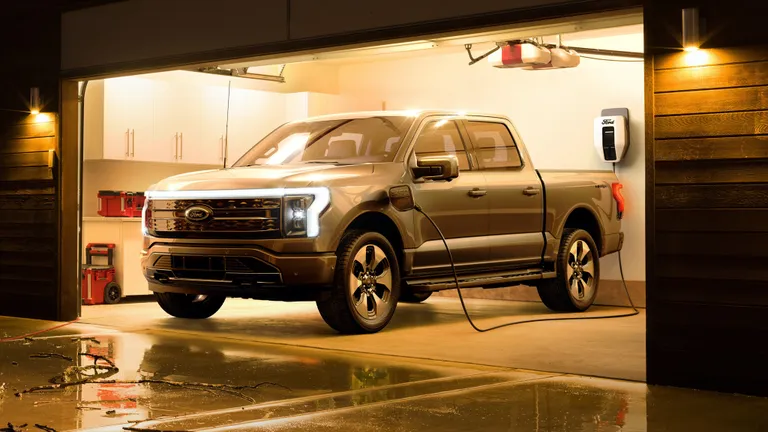
The industry is indeed speaking a common language of pragmatism. Even emerging players like Volkswagen’s Scout brand are signaling a similar direction, with plans to incorporate extended-range electric powertrains into their upcoming trucks and SUVs. This shared strategy underscores a critical realization: the path to widespread EV adoption for heavy-duty vehicles like trucks is not a monolithic one. It requires a multi-faceted approach that caters to diverse consumer needs and charging infrastructure realities. For businesses seeking to invest in future electric trucks, understanding these market dynamics is paramount.
Andrew Frick, President of Ford Blue and Ford Model e, articulated the driving force behind this decision: customer demand. “The decision was customer driven,” he stated, emphasizing Ford’s commitment to aligning its product strategy with the current market realities rather than outdated projections. The modern consumer, Frick explained, prioritizes vehicles that are both affordable and possess the robust range necessary for their daily lives and work demands. This customer-centric approach is the foundation of the new F-150 Lightning EREV, which is anticipated to achieve an impressive 700-mile range. This significant leap in range addresses one of the most persistent barriers to electric truck adoption. Furthermore, Ford has signaled its intention to introduce a family of more affordable EVs starting in 2027, with a compact pickup truck intended to be the inaugural model. This demonstrates a long-term vision for a more accessible and diversified electric truck Ford lineup.
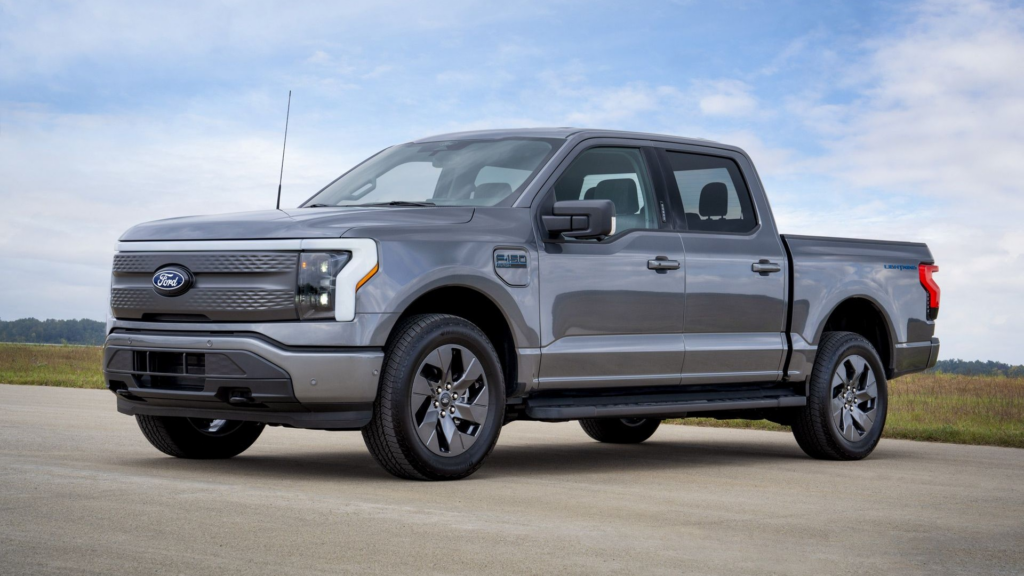
By 2030, Ford projects that hybrids, EREVs, and full EVs will constitute half of its global sales volume, a substantial increase from the current 17 percent. This ambitious target is underpinned by a strategy to ensure profitability across its diverse powertrain offerings. This indicates a broader industry trend towards hybrid and extended-range electric solutions as a bridge to a fully electric future, especially for vehicles demanding sustained performance and flexibility.
Diversifying the Energy Landscape: Ford’s Move into Battery Storage
Beyond vehicle powertrains, Ford is also strategically venturing into the battery storage sector. This move is designed to enhance profitability and fully leverage its existing investments in battery manufacturing. Rather than allowing its joint-venture battery plants in Kentucky and Michigan to sit idle, Ford plans to utilize these facilities and their associated licenses to produce LFP (Lithium Iron Phosphate) batteries. These batteries will be instrumental in Ford’s entry into the energy storage market, catering to the burgeoning demand from data centers and other grid-dependent customers. This is a significant departure from their initial plans, which were focused on producing batteries for the T3 program, a next-generation large electric vehicle initiative that has now been canceled.
This strategic shift in battery production will inevitably lead to workforce adjustments. While some employees at the joint-venture battery plants, including approximately 1,600 at the Kentucky Battery Plant 1, may face layoffs, Ford intends to subsequently hire around 2,100 workers to support the production of 20-GWh storage systems, slated for shipment in 2027. Similar initiatives are planned for the Marshall, Michigan, plant. This demonstrates Ford’s commitment to a broader energy ecosystem, integrating vehicle production with grid-level energy solutions.
The future product pipeline for Ford is robust and diverse. The company plans to expand its offerings in trucks, SUVs, and vans. Significant job creation is anticipated at the Ohio plant, which currently manufactures commercial vans, and Ford intends to introduce a new gas and hybrid van model. Furthermore, at its other Blue Oval facility in Kentucky, the company’s revised strategy involves the production of gas-powered F-Series trucks, alongside the development of a new, smaller, and more affordable pickup truck. This comprehensive approach ensures Ford remains a dominant force in the truck market, catering to a wide spectrum of consumer needs and preferences, from traditional gasoline engines to advanced hybrid truck and EREV solutions.
The automotive industry is in a constant state of flux, and the decisions made by giants like Ford have a ripple effect across the entire ecosystem. The evolution of the F-150 Lightning from a pure EV to an EREV is a testament to this dynamic environment. It highlights the importance of adaptability, customer focus, and a pragmatic approach to embracing new technologies. For businesses and consumers alike, this signals a promising future for the American truck, one that balances innovation with the enduring demands of power, capability, and dependable range.
If you’re a business owner looking to electrify your fleet or an individual seeking a robust and capable truck that meets your evolving needs, understanding these shifts in the automotive landscape is crucial. Exploring the benefits of extended-range electric vehicles and other innovative powertrain solutions can lead to significant operational efficiencies and a more sustainable future.