



The Ford F-150 Lightning’s Electrifying Evolution: A New Era of Extended Range and Efficiency
For a decade, the automotive landscape has been abuzz with the promise of a fully electric future. Enthusiasts and industry insiders alike have watched with keen interest as legacy automakers navigated the complex transition from internal combustion engines to battery-powered vehicles. Among the most anticipated of these transitions was the Ford F-150 Lightning, a name synonymous with American grit and capability, now reimagined for the electric age. However, in a significant strategic shift that underscores the volatile nature of the EV market and evolving consumer demands, Ford has announced a radical reimagining of its electric flagship. The pure electric F-150 Lightning, as it currently stands, is being phased out, making way for a next-generation model that prioritizes extended range and robust utility through an innovative extended-range electric vehicle (EREV) powertrain. This move, while surprising to some, reflects a pragmatic response to current market realities and a clear vision for the future of Ford’s electrified offerings.
The decision to pivot away from a purely battery-electric F-150 Lightning, at least for the immediate next generation, is a testament to the dynamic forces shaping the automotive industry. What was once a universally championed trajectory towards full electrification is now being re-evaluated with a nuanced understanding of consumer needs, infrastructure limitations, and economic viability. The initial excitement surrounding electric trucks, while still present, has been tempered by concerns about charging availability, upfront cost, and practical daily usage, particularly for heavy-duty applications like towing and hauling, which are core to the F-150’s identity. Ford’s acknowledgment of these factors, and its subsequent embrace of the EREV architecture, is not a retreat from electrification, but rather a strategic recalibration to ensure long-term success and customer satisfaction in the burgeoning electric truck market.
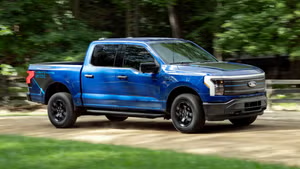
This strategic maneuver by Ford bears a striking resemblance to the recent pivot by Stellantis with its Ram brand. Ram, too, had ambitious plans for a purely electric truck (the REV) alongside an extended-range variant (the Ramcharger). As the market for battery-electric trucks proved “squishy,” characterized by slower-than-anticipated sales and evolving consumer preferences, Ram wisely consolidated its efforts, placing its bets on the EREV Ramcharger. Ford is now adopting a similar playbook, though its journey involves a more significant investment and a more substantial pivot. Having already invested heavily in the development and production of the pure electric Lightning, Ford is now navigating a costly course correction. This includes a projected financial impact of $19.5 billion, a clear indicator of the scale of this strategic adjustment. The commitment to this new direction, however, is driven by a deep analysis of what customers truly want and need in their vehicles today, not the predictions of half a decade ago.
Andrew Frick, President of Ford Blue and Ford Model e, emphasizes that this decision is fundamentally customer-driven. “We are looking at the way the market is today, not what was predicted five years ago,” he states. “Customers today want vehicles that are affordable and provide the range they need for their lifestyle and needs.” This customer-centric approach is at the heart of the new F-150 Lightning EREV. The cornerstone of this evolution is an extended-range powertrain designed to deliver an impressive 700-mile range. This significant leap addresses one of the primary concerns for truck buyers: range anxiety. For professionals and adventurers who rely on their trucks for extensive travel, long workdays, or towing across considerable distances, a 700-mile range offers unparalleled peace of mind and operational flexibility. This extended capability positions the new F-150 Lightning EREV as a highly competitive offering, capable of handling demanding tasks without the frequent need for recharging.
The implications of this strategic shift extend beyond just the F-150 Lightning. Ford is clearly charting a broader course for its electrified future, one that acknowledges the current realities of EV adoption while maintaining a steadfast commitment to sustainable transportation. By 2030, Ford anticipates that hybrids, EREVs, and EVs will constitute half of its global sales volume, a significant increase from the current 17 percent. Crucially, this evolving lineup is projected to be profitable. This profitability is not just a financial aspiration; it’s a strategic imperative that will fuel further innovation and investment in electrification.
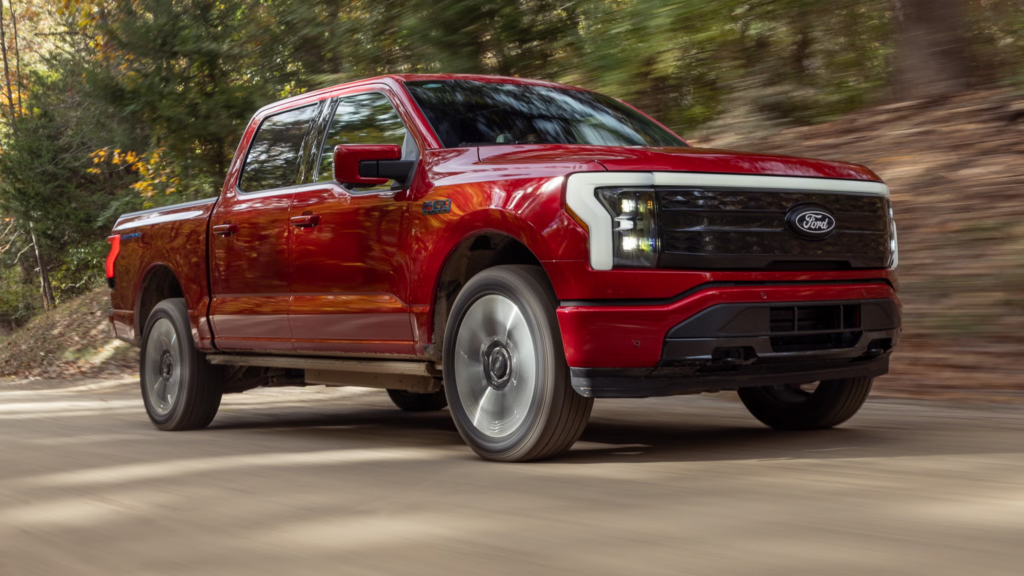
A notable aspect of Ford’s refined strategy is its bold entry into the battery storage business. Rather than letting its joint-venture battery plants in Kentucky and Michigan lie idle, Ford is repurposing them and leveraging their licenses to manufacture LFP (lithium iron phosphate) batteries. This move allows Ford to capitalize on the burgeoning demand for energy storage solutions from a variety of sectors, including the rapidly expanding data center industry and other grid-level customers. These plants were initially slated to produce batteries for the next generation of large electric vehicles, codenamed T3, a program now canceled. This repurposing of existing infrastructure and expertise demonstrates Ford’s agility and foresight, transforming potential liabilities into strategic assets within the broader energy ecosystem.
This diversification into energy storage will, however, involve some workforce adjustments. It will lead to layoffs for current employees within the battery joint ventures, including approximately 1,600 workers at the Kentucky 1 battery plant. However, Ford plans to subsequently hire around 2,100 new workers to commence the shipment of 20-GWh storage systems by 2027. Similar transitions are expected at the Marshall, Michigan plant. This strategic resizing of the workforce reflects the evolving needs of Ford’s business model, aligning its human capital with its new strategic priorities.
Beyond the F-150 Lightning and battery storage, Ford’s vision for its electrified future encompasses a broader spectrum of vehicles. The company plans to expand its portfolio with more trucks, SUVs, and vans. Notably, Ford intends to add jobs at its Ohio plant, which currently manufactures commercial vans, and introduce a new gas and hybrid variant of its van lineup. This dual approach, offering both traditional and electrified powertrains for commercial vehicles, caters to the diverse operational needs and preferences of businesses, ensuring Ford remains a dominant player in the commercial vehicle sector. Furthermore, at its Blue Oval plant in Kentucky, Ford’s new strategy involves the production of gasoline-powered F-Series trucks alongside the introduction of a new, smaller, and more affordable pickup truck. This multifaceted approach underscores Ford’s commitment to serving a wide range of customer segments and market demands.
The development of the F-150 Lightning EREV represents a significant advancement in electric truck technology, particularly concerning pickup truck range and towing capacity. By integrating an internal combustion engine that acts solely as a generator, Ford has effectively created a system that offers the benefits of electric propulsion without the inherent range limitations of pure battery-electric vehicles. This hybrid truck innovation addresses the practical challenges faced by commercial operators and heavy-duty users who require the sustained power and extended operational range that traditional gasoline or diesel trucks have traditionally provided. The extended range EV concept, embodied by the new F-150 Lightning, promises to bridge the gap between current EV capabilities and the robust demands of the truck market.
The implications for Ford F-150 hybrid models and the broader Ford electric vehicle strategy are profound. This move positions Ford to capture a larger share of the market by offering solutions that are both environmentally conscious and practically viable for a wide array of consumers. The emphasis on affordability, coupled with the substantial increase in range, directly targets the core concerns that have previously hindered mass adoption of electric trucks. This strategic pivot is not merely a response to market trends; it is a proactive effort to redefine what an electric truck can and should be, making it more accessible and practical for everyday use and demanding applications. The availability of long-range electric pickup trucks with enhanced towing capability is poised to revolutionize the way we think about hauling and travel.
For businesses operating fleets of trucks, the advent of EREV trucks with the extended range and fuel efficiency of the new F-150 Lightning presents a compelling economic argument. Reduced reliance on charging infrastructure and the ability to cover longer distances without interruption can translate into significant operational savings and increased productivity. This makes the Ford EREV pickup a particularly attractive option for companies involved in logistics, construction, and other industries where reliable and extended vehicle performance is paramount. The next-generation F-150 is thus not just a personal vehicle; it’s a workhorse engineered for the demands of the modern economy.
The strategy to embrace EREVs, while seemingly a departure from the pure EV purist approach, is a pragmatic and intelligent step towards a more sustainable automotive future. It allows Ford to continue its electrification journey by introducing zero-emission driving for significant portions of daily commutes and operations, while also providing the necessary range and flexibility for longer trips and heavy-duty tasks. This balanced approach ensures that Ford can meet the diverse needs of its customer base, paving the way for broader adoption of electrified powertrains. The future of electric trucks is clearly one of innovation and adaptation, and Ford’s latest move exemplifies this dynamic. The inclusion of the 700-mile electric truck range sets a new benchmark, pushing the boundaries of what consumers can expect from electrified utility vehicles.
This evolution of the F-150 Lightning underscores Ford’s deep understanding of the American consumer and the specific demands placed upon pickup trucks. It’s a commitment to providing vehicles that are not only technologically advanced but also exceptionally practical and capable. The integration of an advanced EREV system ensures that drivers no longer have to choose between environmental responsibility and the uncompromised performance they associate with the F-150 nameplate. The new Ford truck hybrid offering is more than just a powertrain; it’s a promise of versatility, power, and enduring range for every journey. The focus on affordable electric vehicles and hybrid electric trucks signals Ford’s intent to democratize sustainable mobility across its entire truck lineup.
As the automotive industry continues its transformative journey, Ford’s strategic recalibration of the F-150 Lightning to an EREV platform with an exceptional 700-mile range stands as a bold and insightful move. It’s a testament to a company that is not afraid to adapt, innovate, and listen to the evolving needs of its customers. This new direction promises to redefine expectations for electric pickup trucks, offering a compelling blend of sustainability, capability, and unparalleled range.
Are you ready to experience the future of electric trucking? Explore the innovative extended-range capabilities of Ford’s next-generation F-150 and discover how it can empower your drive. Visit your local Ford dealership or our website to learn more and schedule your test drive today.