



The Electric Phoenix: Chevrolet Camaro’s Bold New Dawn
For a decade, I’ve navigated the ever-shifting currents of the automotive industry, witnessing firsthand the seismic shifts that redefine what a “car” truly is. From the roaring V8s of yesteryear to the whisper-quiet hum of electric powertrains, the landscape is in constant flux. And in this dynamic arena, few names resonate with the historical weight and enthusiast fervor of the Chevrolet Camaro. For years, whispers and rumors have swirled around its potential return, and now, those whispers are solidifying into concrete plans. But make no mistake: the 2027 Chevrolet Camaro EV is not a simple retread of the past. It’s a radical reimagining, a bold statement of intent that aims to capture the spirit of a legend while embracing the future of mobility.
The original Camaro was born from a direct competitive rivalry, a response to the Ford Mustang that ignited a firestorm of performance and style on American roads. Now, history seems poised to repeat itself, albeit on a dramatically different battlefield. While the purists among us might balk at the very notion, Chevrolet is reportedly preparing to resurrect the iconic Camaro nameplate not as a traditional two-door coupe, but as a sleek, fastback electric SUV. This strategic pivot is a direct salvo aimed at rivals like the Ford Mustang Mach-E, a testament to the burgeoning popularity of performance-oriented electric crossovers. However, a fascinating counter-current exists within General Motors itself. Sources close to the matter suggest that Mark Reuss, President of GM, harbors ambitions for the Camaro to return as a pure electric sports car, a more direct successor to its gasoline-powered lineage. This internal debate highlights the significant considerations at play as Chevrolet navigates this pivotal moment. For the purposes of this analysis, however, we will focus on the most probable scenario, the Camaro EV SUV, and explore what this groundbreaking vehicle might entail.
The significance of this strategic direction cannot be overstated. The automotive market is in a state of profound transformation. The traditional segment for two-door sports coupes is steadily contracting, a victim of evolving consumer preferences and the undeniable ascendance of the SUV. Manufacturers are increasingly turning to the performance electric SUV segment, offering vehicles that blend exhilarating driving dynamics with the practicality and elevated stance that buyers now demand. While some dedicated enthusiasts may lament the electrification and the SUV form factor of a new Camaro, the automotive world has already adapted to the Mustang Mach-E. Therefore, the arrival of a Camaro EV SUV should be viewed not as an apocalypse, but as a natural evolution in a rapidly changing industry. It’s a strategic move designed to ensure the Camaro nameplate, and the passion it ignites, continues to thrive in the electric era. This move also opens up significant opportunities for affordable electric vehicles, broadening the appeal of performance-oriented EVs.
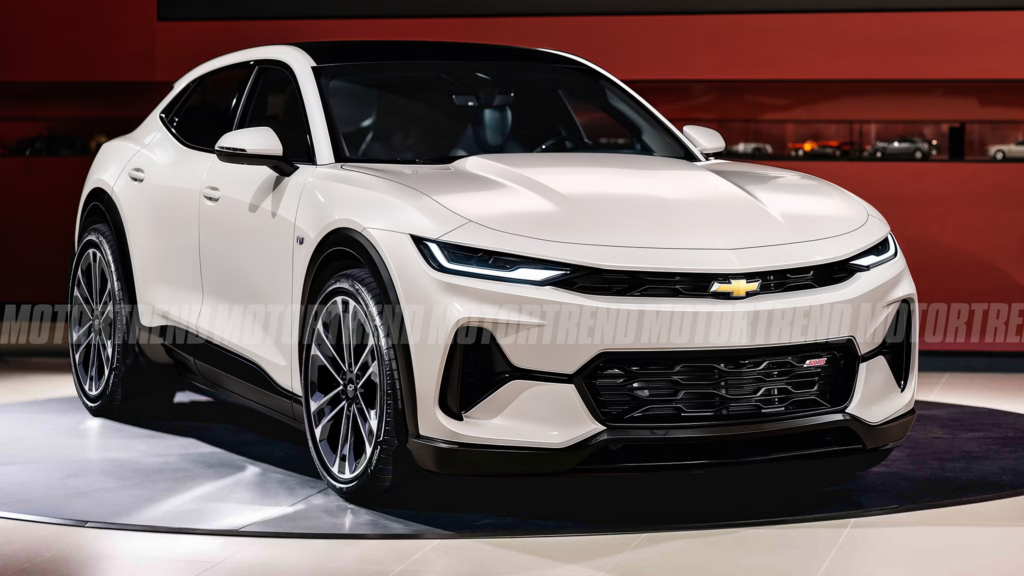
At the heart of this new electric Camaro will lie GM’s advanced modular EV platform, formerly known as Ultium. While the branding may have shifted, the underlying architecture remains incredibly versatile, providing Chevrolet with a rich palette of battery and motor configurations to craft a diverse lineup. This modularity is crucial for catering to a broad spectrum of buyers, from those seeking an accessible entry point to performance aficionados craving exhilarating acceleration. Expect to see a range of powertrains, from efficient single-motor rear-wheel-drive setups designed for optimal range and affordability, to potent dual-motor all-wheel-drive configurations delivering exhilarating performance. The potential for an electric muscle car SUV is immense, and this platform is the key to unlocking it.
Regarding battery technology, Chevrolet is likely to leverage existing, proven components. Lower-tier versions of the 2027 Chevrolet Camaro EV could feature an 85-kWh battery pack, similar to what’s found in current Blazer EV models. For those demanding extended range or higher performance thresholds, an optional larger 102-kWh pack will likely be available. Assuming the underlying electrical architecture and cell chemistry remain consistent with current GM EV offerings, the smaller battery should support DC fast charging speeds of up to 150 kW, while the larger pack could handle up to 190 kW. This ensures competitive charging times, a critical factor for widespread EV adoption, particularly in regions like California EV charging infrastructure that is rapidly expanding. The debate around best electric SUV for families will undoubtedly include this new Camaro, offering a blend of sportiness and utility.
The powertrain strategy is where the 2027 Chevrolet Camaro EV truly begins to differentiate itself across its various trims. More accessible models, likely designated with LT or RS badging, will probably feature a single electric motor driving the rear wheels. Drawing from GM’s existing motor inventory, these versions could produce anywhere from a respectable 241 to a spirited 365 horsepower. This offers a tangible performance upgrade over many mainstream electric crossovers, reinforcing the Camaro’s sporty heritage.
Stepping up, the Camaro EV SUV will undoubtedly offer a dual-motor all-wheel-drive setup, mirroring the successful configuration found in the Blazer EV. This setup would likely yield a combined output of approximately 300 horsepower and 355 lb-ft of torque. This is where the vehicle begins to truly bridge the gap between performance and everyday usability, offering a compelling all-weather capability without sacrificing driving engagement. For those seeking true performance prowess, the 2027 Chevrolet Camaro EV SS is a near certainty. This halo model will likely adopt the most potent dual-motor AWD system available, mirroring the impressive output of the Blazer EV SS, which translates to an estimated 615 horsepower and a stout 650 lb-ft of torque. To complement this immense power, expect the SS trim to feature enhanced performance elements such as robust Brembo brakes, a sport-tuned adaptive suspension system, and a more responsive, retuned steering rack for unparalleled driver feedback and control. This level of performance will firmly place it in the luxury electric SUV conversation, albeit with a more accessible price point.
Looking further into the future, and potentially as a flagship model, Chevrolet could push the boundaries even further by borrowing the extreme tri-motor powertrain from the Hummer EV. This extreme setup has the potential to unleash a staggering 1,000 horsepower. Such a colossal output would not only cement the Camaro’s position as a performance leader but also present a compelling opportunity to resurrect the legendary Camaro ZL1 moniker. This designation, historically reserved for the most track-capable and potent iterations of the Camaro, would perfectly align with a 1,000-hp electric SUV, offering an unparalleled blend of raw power and futuristic technology. This also opens doors for discussion on electric SUV performance benchmarks.
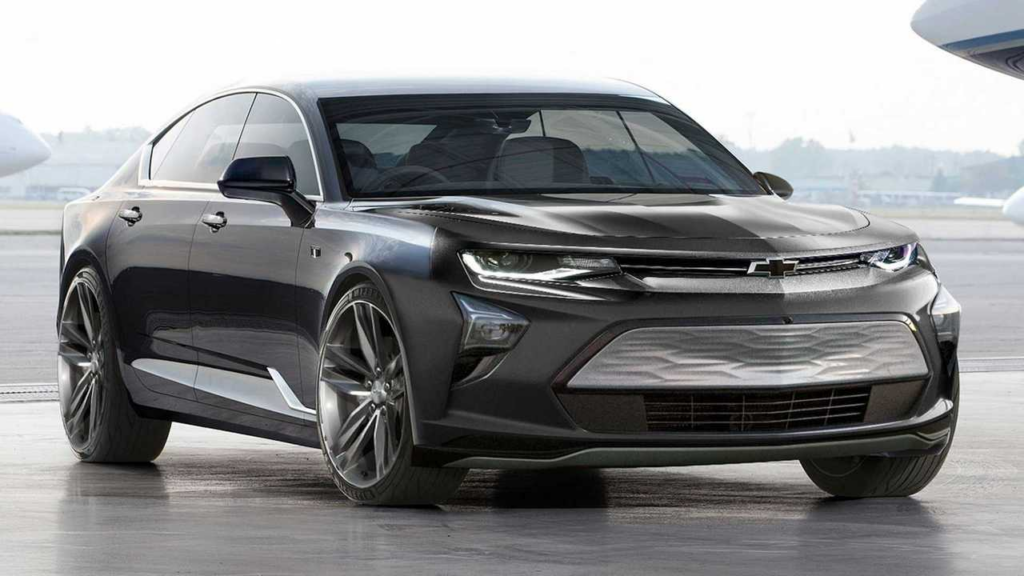
President Reuss has articulated a clear vision: the Camaro must remain accessible and fun. This philosophy suggests that the model range will encompass a broad spectrum of variations on the sporty SUV theme, ensuring there’s a Camaro EV to suit various tastes and budgets. The initial launch will likely focus on the more mainstream configurations, building momentum before the more extreme performance variants arrive. This staged rollout strategy is a smart approach to market penetration, allowing Chevrolet to gauge consumer response and refine its offerings. The new electric SUV from Chevrolet is poised to capture the imagination of a new generation of enthusiasts.
One of the most crucial aspects for any new vehicle launch, especially in the competitive EV market, is pricing. Based on projections and the cost of comparable GM electric vehicles, the estimated price range for the 2027 Chevrolet Camaro EV is expected to fall between $36,000 and $65,500. This broad spectrum allows for a wide array of trims and features, from more affordable, entry-level models to highly equipped, performance-oriented variants. This pricing strategy is critical for achieving Reuss’s goal of affordability and fun, making the new Camaro for sale an attractive proposition for a significant portion of the car-buying public, particularly those looking for affordable electric SUVs. Furthermore, with increasing incentives for electric vehicle tax credits, the effective cost of ownership could be even more appealing. The potential for Camaro EV deals will also be a significant draw for consumers.
The implications of this strategic shift extend beyond the Camaro nameplate itself. It signifies a broader commitment from General Motors to electrify its most iconic models. If Chevrolet can successfully translate the Camaro’s legacy of performance, style, and accessibility into an electric vehicle, it sets a powerful precedent for other beloved nameplates within the GM portfolio. This isn’t just about revitalizing a single model; it’s about demonstrating that electrification can enhance, rather than diminish, the essence of automotive legends. The future of Chevrolet performance vehicles hinges on the success of initiatives like this. The emergence of a performance electric crossover from Chevrolet, carrying the Camaro badge, is a clear signal that the brand is serious about its electric future.
For consumers in key automotive markets, the arrival of a Camaro EV SUV near me will be a significant event. Dealerships in areas with a strong automotive culture, such as Chevrolet dealers in Detroit or new electric cars in Los Angeles, will likely be at the forefront of offering these vehicles. The anticipation for a 2027 Camaro release date is palpable among enthusiasts and industry observers alike. The prospect of a 1000 hp electric SUV like a potential ZL1 variant will undoubtedly generate significant buzz and competition for limited production slots.
The engineering challenges and opportunities presented by an electric Camaro are vast. Beyond the powertrain, considerations for chassis tuning, battery thermal management, and aerodynamic optimization will be paramount to delivering a driving experience that lives up to the Camaro name. Chevrolet has a wealth of experience with its current EV platforms, which bodes well for the development of a truly engaging electric SUV that doesn’t compromise on the visceral thrills expected from a performance vehicle. The integration of advanced driver-assistance systems (ADAS) will also be a key feature, offering enhanced safety and convenience, aligning with trends in next-generation automotive technology.
Ultimately, the 2027 Chevrolet Camaro EV represents more than just a new model; it signifies a bold leap into the future for one of America’s most storied automotive icons. It’s a testament to innovation, adaptability, and the enduring power of a legendary name. While the form factor may differ from its predecessors, the spirit of performance, excitement, and accessibility is poised to be carried forward, electrifying a new generation of drivers.
This is an exciting time for automotive enthusiasts. The new Chevrolet electric SUV is on the horizon, promising a blend of iconic heritage and cutting-edge technology. If you’re eager to experience the future of performance driving and want to be among the first to learn more about this revolutionary vehicle, we encourage you to reach out to your local Chevrolet dealer or visit the official Chevrolet website to register your interest and stay updated on all developments regarding the 2027 Chevrolet Camaro EV. The dawn of a new electric era for the Camaro is upon us.