



The Reimagined Chevrolet Camaro: An Electric Future for an American Icon
For decades, the Chevrolet Camaro has stood as a titan of American automotive engineering, a fierce rival to the Ford Mustang, embodying raw power and iconic style. The rumble of its V8 engine was a soundtrack to a generation of automotive passion. But as the automotive landscape shifts dramatically towards electrification and the enduring popularity of SUVs, Chevrolet faces a pivotal moment. Whispers from industry insiders suggest a bold, and for some, perhaps surprising, rebirth for the Camaro nameplate is on the horizon – not as the rear-wheel-drive coupe loyalists remember, but as a sleek, performance-oriented electric crossover utility vehicle (CUV). This strategic pivot, while potentially controversial, is a calculated move to ensure the Camaro’s relevance and enduring appeal in the 2025 market and beyond.
The rationale behind this transformation is multifaceted and deeply rooted in current market dynamics. The automotive industry is experiencing a seismic shift. The once-dominant landscape of two-door performance cars is steadily shrinking, overshadowed by the insatiable demand for SUVs and crossover vehicles. Consumers, while still cherishing the idea of sporty driving, are increasingly prioritizing practicality, versatility, and modern technology. Chevrolet’s decision to reimagine the Camaro as an electric CUV isn’t a capitulation to trends; it’s a shrewd adaptation designed to capture a wider audience while preserving the Camaro’s core ethos of spirited performance.
This move mirrors the successful strategy employed by its historic nemesis, the Ford Mustang. The Mustang Mach-E, initially met with skepticism, has proven to be a significant success, demonstrating that a legendary nameplate can indeed thrive in an electric SUV format. While some purists may lament the departure from the classic coupe silhouette, the automotive world has demonstrated time and again that evolution, not stagnation, is key to survival and continued success. The arrival of a Camaro EV SUV, therefore, is not an omen of doom for automotive enthusiasts, but rather an exciting new chapter in the storied history of an American icon. This is about preserving the spirit of performance and delivering it in a package that resonates with contemporary drivers.
Platform and Powertrain: Leveraging GM’s Electric Expertise
At the heart of this new Camaro’s identity will be General Motors’ cutting-edge electric vehicle architecture, a platform designed for unparalleled flexibility and performance. While the specific branding may evolve, the underlying technology is expected to be a sophisticated evolution of GM’s previous Ultium platform. This modular skateboard design offers Chevrolet the ability to meticulously craft a diverse lineup of Camaro EV variants, catering to a wide spectrum of performance expectations and price points.
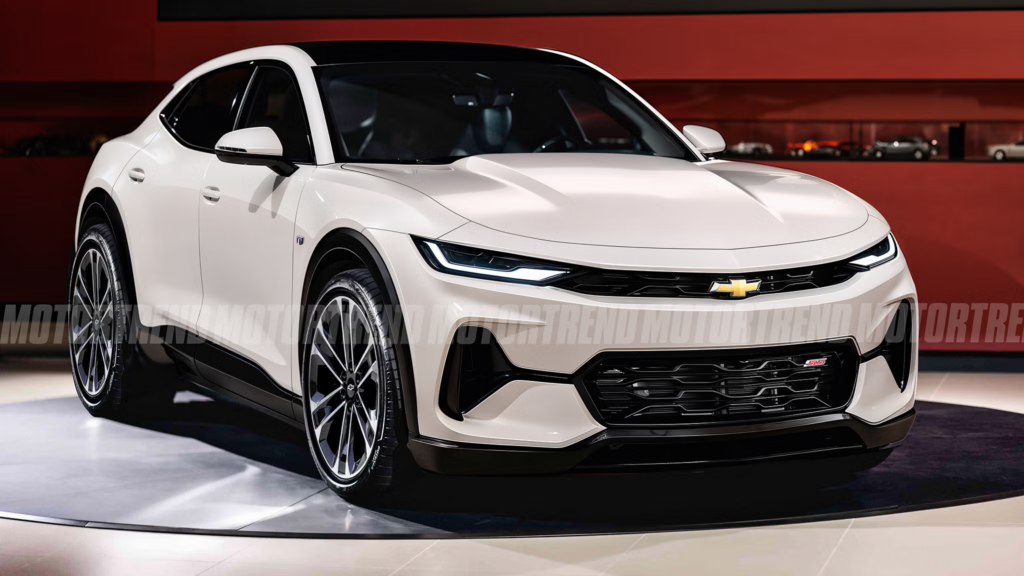
Expect to see a spectrum of powertrain configurations, ranging from efficient, single-motor rear-wheel-drive models designed for accessible entry into the electric performance realm, to potent dual-motor all-wheel-drive configurations delivering exhilarating acceleration and dynamic handling. This adaptability is crucial for meeting the varied demands of the modern automotive consumer.
When it comes to battery technology, Chevrolet is poised to integrate proven and advanced solutions. For the more mainstream Camaro EV variants, the 85-kWh battery pack, currently utilized in other GM electric SUVs, is a strong contender. This capacity offers a compelling balance of range and performance for everyday driving and spirited excursions. For those seeking extended range or the ultimate in performance, the larger 102-kWh battery pack will likely be an option. This larger unit provides a significant boost in energy density, enabling longer journeys on a single charge and supporting the demanding power requirements of high-performance models.
The integration of these battery packs into the existing electrical architecture suggests expected charging capabilities. The 85-kWh unit is likely to support a maximum DC fast-charging rate of approximately 150 kW, allowing for substantial range replenishment in a reasonable timeframe. The more robust 102-kWh battery is expected to push this limit higher, potentially reaching up to 190 kW, further minimizing charging downtime and enhancing the practicality of long-distance travel. This focus on efficient and rapid charging is paramount to alleviating range anxiety and making electric vehicle ownership a seamless experience for Camaro enthusiasts.
Performance Variants: From Accessible Sportiness to Hypercar Territory
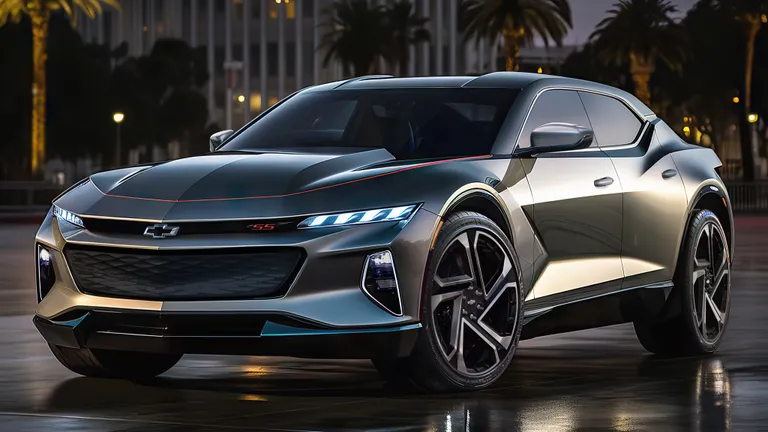
The base models of the 2027 Chevrolet Camaro EV, likely offered in LT and RS trim levels, are expected to feature a single electric motor driving the rear wheels. Drawing from GM’s existing electric motor inventory, these variants are anticipated to deliver power outputs ranging from approximately 241 horsepower for the entry-level models to a robust 365 horsepower for more performance-oriented configurations. This strategic approach ensures that even the more accessible Camaro EVs will offer an engaging and spirited driving experience, true to the nameplate’s heritage.
For those seeking enhanced traction and dynamic all-wheel-drive capabilities, Chevrolet is likely to offer a dual-motor setup, mirroring the successful implementation found in other GM electric vehicles. This configuration could yield a combined output of around 300 horsepower and 355 lb-ft of torque, providing a noticeable uplift in acceleration and a more planted feel during spirited driving. This dual-motor setup represents a significant step up in performance, offering a more engaging and responsive driving dynamic for enthusiasts.
The pinnacle of the initial Camaro EV lineup is anticipated to be the “SS” variant. Following in the footsteps of its gasoline-powered predecessor, the 2027 Chevrolet Camaro EV SS will likely adopt the potent dual-motor all-wheel-drive system, similar to the Blazer EV SS. This potent configuration is projected to deliver a staggering combined output of 615 horsepower and 650 lb-ft of torque. To complement this immense power, the Camaro EV SS will undoubtedly feature performance enhancements such as high-performance Brembo brakes for superior stopping power, a sport-tuned adaptive suspension system for exceptional handling and ride comfort, and a meticulously retuned steering system for razor-sharp responsiveness. This iteration promises to deliver a driving experience that rivals and potentially surpasses its gasoline-powered ancestors.
Looking further into the future, Chevrolet may even explore more extreme performance iterations of the Camaro EV SUV, potentially drawing inspiration from the Hummer EV’s groundbreaking three-motor powertrain. This ultimate configuration could unleash a breathtaking 1,000 horsepower, creating an opportunity to resurrect the legendary “ZL1” trim. This legendary moniker, historically reserved for the most track-capable and uncompromisingly powerful Camaro models, would signify a new era of electric performance, pushing the boundaries of what is possible in an SUV.
Mark Reuss, President of General Motors, has consistently emphasized his vision for the Camaro’s comeback to be accessible and fun, with an emphasis on an affordable starting price point. This philosophy suggests that the Camaro EV range will encompass a broad spectrum of sporty SUV variations, beginning with the more mainstream models and gradually introducing more extreme performance variants. The goal is to make the thrill of the Camaro accessible to a wider audience while catering to the most discerning performance enthusiasts. This inclusive approach to performance is a cornerstone of Chevrolet’s strategy for the revitalized Camaro.
Pricing and Market Positioning: A Competitive Electric Offering
Chevrolet aims to position the new Camaro EV as a compelling and competitive offering within the burgeoning electric SUV market. Industry projections suggest an estimated pricing range of $36,000 to $65,500. This wide spectrum allows for various trim levels and powertrain options, ensuring there’s a Camaro EV to suit different budgets and performance desires. This pricing strategy is crucial for capturing market share against established rivals and attracting a new generation of buyers to the iconic nameplate.
The lower end of this price range positions the Camaro EV as an attractive entry point into the performance electric SUV segment, directly challenging models like the Ford Mustang Mach-E and other similarly priced electric crossovers. This accessibility is vital for broadening the Camaro’s appeal beyond its traditional enthusiast base.
As pricing increases, Chevrolet will introduce higher-performance variants and models with expanded range and premium features. This tiered approach allows consumers to select the Camaro EV that best aligns with their performance aspirations and technological preferences. The higher end of the price spectrum will place the Camaro EV in contention with more premium electric SUVs, offering a compelling blend of performance, style, and cutting-edge technology.
This strategic pricing, combined with the enduring legacy of the Camaro nameplate and the exciting prospect of electric performance, positions Chevrolet for a strong resurgence in the competitive automotive market. The company is clearly committed to making the electric Camaro a desirable and attainable option for a broad range of consumers.
The Future of Performance: Innovation and Legacy
The return of the Chevrolet Camaro as an electric SUV is more than just a product launch; it’s a testament to Chevrolet’s commitment to innovation and its dedication to preserving the spirit of iconic automotive nameplates. While the form factor may change, the core principles of performance, style, and driver engagement that have defined the Camaro for generations are expected to remain intact.
This reimagining of the Camaro signifies a bold step into the future of automotive performance. By embracing electrification and adapting to evolving consumer preferences, Chevrolet is ensuring that the Camaro nameplate will continue to inspire passion and excitement for years to come. The transition to an electric CUV format allows Chevrolet to leverage the advantages of electric powertrains – instant torque, exhilarating acceleration, and a quieter, more refined driving experience – while delivering them in a practical and versatile package.
The anticipation surrounding this new electric Camaro is palpable. It represents a unique opportunity for automotive enthusiasts to experience the legacy of a beloved icon in a completely new and technologically advanced form. The blend of heritage and innovation promises to create a vehicle that is both familiar and groundbreaking, capable of captivating both long-time Camaro aficionados and a new generation of electric vehicle buyers.
The commitment to developing high-performance variants, including the potential for a 1,000-horsepower ZL1 model, underscores Chevrolet’s ambition to push the boundaries of electric performance. This focus on extreme power and track-capable dynamics ensures that the Camaro EV will not only be a practical and stylish SUV but also a true performance machine.
As we eagerly await the official unveiling of the 2027 Chevrolet Camaro EV, one thing is clear: the future of this legendary nameplate is brighter and more electrifying than ever before. This is an exciting time for Chevrolet and for the automotive industry as a whole, as iconic vehicles like the Camaro embrace the transformative power of electric propulsion.
Whether you are a seasoned performance car enthusiast or a discerning buyer seeking a stylish and capable electric SUV, the upcoming Chevrolet Camaro EV promises an exceptional driving experience. This is your chance to be part of the next chapter in automotive history.
Ready to explore the future of American performance? Discover the latest in electric vehicle technology and connect with Chevrolet dealerships to learn more about the upcoming Camaro EV. Your journey into exhilarating electric driving begins now.