



The Reimagined Chevrolet Camaro: A New Era Dawns for an American Icon
For decades, the Chevrolet Camaro has stood as a symbol of American muscle, a direct adversary to the Ford Mustang, and a beloved icon for automotive enthusiasts. However, as the automotive landscape undergoes a seismic shift towards electrification and the enduring popularity of SUVs, Chevrolet is reportedly poised to reintroduce the legendary Camaro nameplate in a form that will undoubtedly spark debate and excitement: an all-electric, fastback SUV. This radical departure from its two-door sports car roots is not merely a speculative rumor; it’s a strategic maneuver by General Motors to maintain relevance and capture a new generation of buyers while honoring the spirit of performance and style that defines the Camaro.
The Genesis of a Legend, Redefined
The original Chevrolet Camaro was conceived in the crucible of competition, born out of Chevrolet’s desire to challenge Ford’s dominant Mustang. This historical rivalry is now poised to repeat itself, albeit on a different battlefield. Sources within the industry suggest that Chevrolet is not planning a direct resurrection of the coupe or convertible as we’ve known it. Instead, the focus is squarely on a visually striking, four-door fastback SUV. This approach is a direct response to the burgeoning market demand for vehicles that blend sporty aesthetics with the practicality and elevated driving position of an SUV. While purists may lament the absence of a traditional coupe, the automotive world has already witnessed the successful integration of iconic nameplates into different vehicle segments, most notably with the Ford Mustang Mach-E. The precedent has been set, and a Chevrolet Camaro EV SUV is unlikely to signal the downfall of automotive passion, but rather its evolution.
The “Why” Behind the Electric Transformation
The automotive industry in 2025 and beyond is characterized by a clear dichotomy: the steady decline of traditional two-door models and the unyielding ascent of SUVs. Manufacturers are increasingly turning to sleek, four-door fastback SUVs to satisfy consumers who crave a sporty and stylish vehicle without sacrificing everyday usability. This strategic pivot allows brands to maintain their performance heritage while adapting to prevailing market trends. The transition of the Camaro to an electric powertrain represents a bold embrace of the future. While some enthusiasts may initially balk at the idea of an electric Camaro, the resounding success and positive reception of the Mustang Mach-E have demonstrated that a beloved nameplate can thrive in an electric, SUV-centric world. This evolution isn’t just about survival; it’s about redefining what “performance” and “iconic” mean in the context of modern automotive engineering and consumer desires.
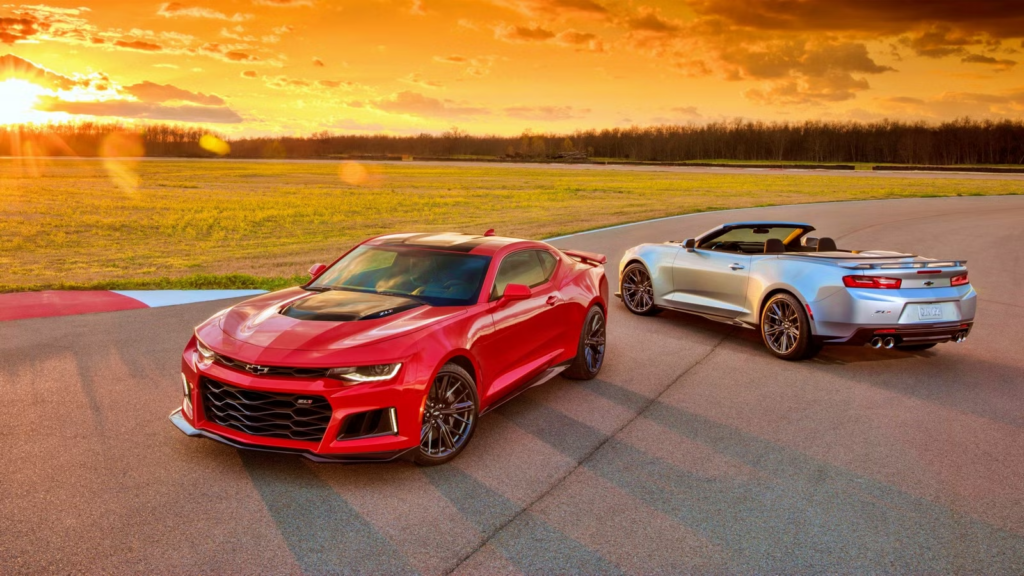
Unpacking the Platform and Powertrain: The Heart of the 2027 Chevrolet Camaro EV
While General Motors has moved away from explicitly branding its dedicated electric vehicle architecture as “Ultium,” it is highly probable that the forthcoming 2027 Chevrolet Camaro EV will leverage a sophisticated, modular skateboard platform that underpins its electric aspirations. This foundation is crucial, as it grants Chevrolet access to a diverse palette of battery packs and electric motor configurations, enabling the creation of a multifaceted lineup. From more accessible, single-motor rear-wheel-drive variants to potent, dual-motor all-wheel-drive performance machines, this flexible architecture will be the bedrock of the new Camaro EV’s diverse offerings.
Battery Technology and Charging Capabilities
For the initial iterations of the 2027 Chevrolet Camaro EV, expect to see Chevrolet drawing from its established battery technologies. The 85-kWh battery pack, currently featured in lower-trim versions of the Blazer EV, is a likely candidate for standard models. For those seeking enhanced range or superior performance, Chevrolet may offer a larger 102-kWh battery option, mirroring the capabilities found in higher-spec electric SUVs. Assuming a carry-over of electrical architecture and cell chemistry, these battery packs should support respectable charging speeds. The 85-kWh unit is anticipated to recharge at a maximum rate of approximately 150 kW, while the larger 102-kWh pack should be capable of topping out at a robust 190 kW. This ensures that drivers can minimize downtime and maximize their driving enjoyment.
Performance Variants: From Capable Commuter to Electrifying Rocket
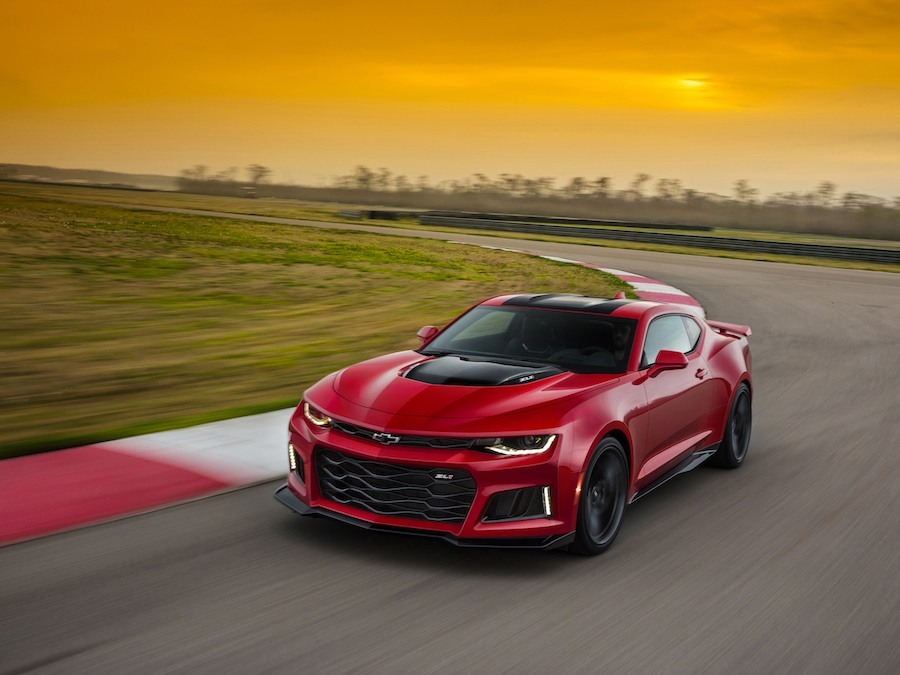
The entry-level versions of the 2027 Chevrolet Camaro EV, likely designated with LT or RS trims, are expected to feature a single electric motor powering the rear wheels. Drawing from existing GM electric vehicle powertrains, these models could deliver an output ranging from an engaging 241 to a sprightly 365 horsepower. For those craving enhanced traction and dynamic prowess, Chevrolet will undoubtedly offer a dual-motor all-wheel-drive system. This setup, potentially borrowed from the Blazer EV, could provide a combined output of around 300 horsepower and 355 lb-ft of torque, offering a compelling blend of performance and efficiency for everyday driving.
The return of the legendary “SS” designation is almost a certainty, and the 2027 Chevrolet Camaro EV SS is poised to be a true performer. This variant is likely to adopt the same dual-motor all-wheel-drive configuration as its Blazer EV SS counterpart, hinting at a formidable combined output of approximately 615 horsepower and 650 lb-ft of torque. To complement this potent powertrain, the SS model will undoubtedly feature enhanced performance components, including high-performance Brembo brakes for superior stopping power, a sport-tuned adaptive suspension system for agile handling, and a precisely calibrated steering system for an engaging driving experience.
Pushing the Boundaries: The 1,000-HP Electric SUV Possibility
Looking further into the future, Chevrolet could push the envelope even further by leveraging the extreme capabilities of the Hummer EV’s tri-motor setup. This could pave the way for ultra-high-performance versions of the Camaro EV SUV capable of producing an astounding 1,000 horsepower. Such a configuration would provide Chevrolet with the perfect opportunity to resurrect the vaunted ZL1 trim, a designation historically reserved for the most track-focused and potent iterations of the Camaro sports car. Mark Reuss, President of General Motors, has repeatedly emphasized his desire for the Camaro to remain accessible and fun to drive, suggesting that the model range will encompass a wide spectrum of sporty SUV variations, with an initial launch likely focusing on the more mainstream offerings. This strategic approach ensures that the Camaro EV can appeal to a broader audience from its inception.
Estimated Pricing: A Strategic Market Entry
The projected price range for the 2027 Chevrolet Camaro EV is estimated to fall between $36,000 and $65,500. This competitive pricing strategy aims to make the reborn Camaro EV an attractive proposition in the rapidly expanding electric SUV market, allowing it to effectively challenge established players like the Ford Mustang Mach-E and other premium electric crossovers. This carefully considered pricing will be crucial in attracting both existing Camaro loyalists and new customers to the electric future of this iconic nameplate.
The Future of Performance: Electric SUVs and the Driving Experience
The shift towards electric SUVs is not just a trend; it’s a fundamental reshaping of the automotive industry. For a brand like Chevrolet, which has built its reputation on accessible performance and iconic design, adapting to this new paradigm is essential for continued success. The Camaro EV SUV represents a bold and calculated move to stay at the forefront of this transformation. By embracing electrification and the SUV form factor, Chevrolet is not abandoning its heritage; it is evolving it for a new era. The promise of instant torque, the quiet yet powerful acceleration, and the sophisticated technology integrated into these new electric vehicles offer a thrilling and engaging driving experience that will appeal to a new generation of enthusiasts.
Beyond the Nameplate: The Broader Implications for Chevrolet and the Industry
The reintroduction of the Camaro as an electric SUV has far-reaching implications. It signals Chevrolet’s deep commitment to electrification across its entire lineup. It also demonstrates a willingness to innovate and take risks, essential qualities for any brand aiming to lead in a rapidly evolving market. The success of the Camaro EV could pave the way for other iconic Chevrolet nameplates to undergo similar transformations, ensuring that the Bow Tie brand remains a vibrant and exciting force in the automotive world for years to come. Furthermore, it will undoubtedly spur further innovation and competition within the electric SUV segment, benefiting consumers with more choices and better products. The investment in the Camaro EV is a clear indicator that Chevrolet sees a significant opportunity in the performance EV SUV space, a segment poised for explosive growth.
The Role of Design in the Electric Camaro SUV
While the powertrain and platform are critical, the exterior and interior design of the 2027 Chevrolet Camaro EV will play an equally vital role in its success. Expect Chevrolet to infuse the new SUV with design cues that pay homage to the Camaro’s rich history while embracing a modern, aerodynamic aesthetic befitting an electric vehicle. The fastback silhouette will be key to conveying a sense of sportiness and dynamism. Inside, a driver-focused cockpit with advanced digital displays and premium materials will create an environment that is both luxurious and technologically advanced. The goal will be to evoke the emotional connection that fans have with the Camaro, translated into a contemporary and practical package. This thoughtful integration of heritage and innovation in design will be crucial for capturing the hearts and minds of consumers.
The Competitive Landscape: Facing Off Against Established Electric Rivals
The electric SUV market is already a crowded and competitive arena. The Chevrolet Camaro EV will need to make a strong case for itself against formidable rivals. The Ford Mustang Mach-E has already established a significant presence, offering a compelling blend of performance, technology, and brand heritage. Other players, including Tesla, Hyundai, Kia, and various luxury brands, are also aggressively pursuing this segment. Chevrolet’s strategy, therefore, must extend beyond simply offering an electric SUV with the Camaro name. It must deliver a compelling package that offers superior value, performance, and a unique emotional appeal. The potential for a 1,000-hp ZL1 variant, for example, could provide a distinct performance advantage and attract enthusiasts seeking ultimate power. The emphasis on fun and affordability, as mentioned by Mark Reuss, will also be critical differentiators.
Navigating the Future of Automotive Marketing
Marketing an electric Camaro SUV presents a unique challenge and opportunity. Chevrolet will need to effectively communicate the benefits of electrification while reinforcing the iconic status and performance pedigree of the Camaro nameplate. Traditional marketing approaches may need to be augmented with digital campaigns that highlight the technology, performance, and sustainability aspects of the new vehicle. Engaging with the enthusiast community, leveraging social media, and potentially partnering with influencers will be crucial for building anticipation and fostering positive sentiment. The narrative must be carefully crafted to bridge the gap between the beloved V8 muscle car of the past and the high-performance electric SUV of the future, assuring enthusiasts that the spirit of the Camaro lives on, stronger and more exciting than ever before.
The Road Ahead for Chevrolet’s Performance Ambitions
The 2027 Chevrolet Camaro EV SUV represents more than just a new model; it signifies a pivotal moment for Chevrolet and its performance identity. It’s a testament to the brand’s adaptability and its commitment to delivering thrilling driving experiences, even as the industry transitions to electric power. As this new chapter unfolds, one thing is clear: the Chevrolet Camaro is not just returning; it’s evolving, ready to carve out a new legacy in the exciting world of electric performance SUVs.
Are you ready to experience the future of American muscle? Explore the exciting possibilities and stay tuned for the official unveiling of the reimagined Chevrolet Camaro, where innovation meets iconic legacy.