


Hyundai Sonata Fuel Tank Recall: Navigating the Critical Safety Imperative for Owners
As we push deeper into 2025, the automotive landscape continues its relentless evolution, bringing with it advanced technologies, enhanced performance, and unfortunately, periodic safety challenges. One such critical issue has recently surfaced, demanding the immediate attention of numerous Hyundai Sonata owners: a recall concerning potential fuel tank melting and the inherent fire risk. As an industry veteran with over a decade immersed in automotive safety, engineering, and consumer advocacy, I’ve seen firsthand how these situations unfold, and I’m here to unpack the full scope of this significant safety recall.
Hyundai has issued a recall for 85,043 Sonata sedans from the 2020 through 2023 model years, specifically those equipped with the non-hybrid 1.6-liter turbocharged four-cylinder engine. The core of the problem lies with a defective purge control check valve, a component often overlooked but absolutely vital to the integrity of a vehicle’s fuel system. When this valve malfunctions, it can trigger a dangerous cascade of events, potentially leading to fuel tank deformation, contact with hot exhaust components, and ultimately, a severe fire hazard.
Understanding the Engineering Underpinnings: The Purge Control Check Valve’s Critical Role
To truly grasp the gravity of this Hyundai Sonata recall, it’s essential to delve into the intricate workings of modern fuel systems. At the heart of this particular issue is the purge control check valve. In normal operation, this valve is a small but mighty guardian within the evaporative emission control (EVAP) system. Its primary function is to manage fuel vapor within the fuel tank and direct it to the engine for combustion, preventing its release into the atmosphere and thus adhering to stringent environmental regulations. Simultaneously, it maintains appropriate pressure within the fuel tank, preventing both excessive vacuum and over-pressurization.
However, in the affected Sonata models, this specific check valve is failing. Instead of regulating pressure, it’s allowing compressed air to backflow from the turbocharger system, which operates under considerable pressure, directly into the fuel tank. Picture a balloon being constantly inflated beyond its design limits. The fuel tank, while robust, is not designed to withstand sustained, elevated internal pressure from compressed air. This relentless internal pressure can cause the tank to deform and expand significantly.
The danger intensifies dramatically when this expanded, pressurized fuel tank comes into contact with the vehicle’s hot exhaust components. Exhaust pipes, especially those exiting a turbocharged engine, operate at extremely high temperatures, often exceeding several hundred degrees Fahrenheit. When a plastic fuel tank, under internal stress and potentially weakened, makes sustained contact with such intense heat, the inevitable outcome is localized melting. A melting fuel tank is not merely a structural failure; it’s a direct pathway for highly volatile gasoline to leak onto hot surfaces, presenting an immediate and catastrophic fire risk for vehicles. This is a scenario no driver or passenger should ever face, and it underscores the critical importance of every component, no matter how small, in the complex automotive safety ecosystem.
The Affected Fleet: Who Needs to Act Now?
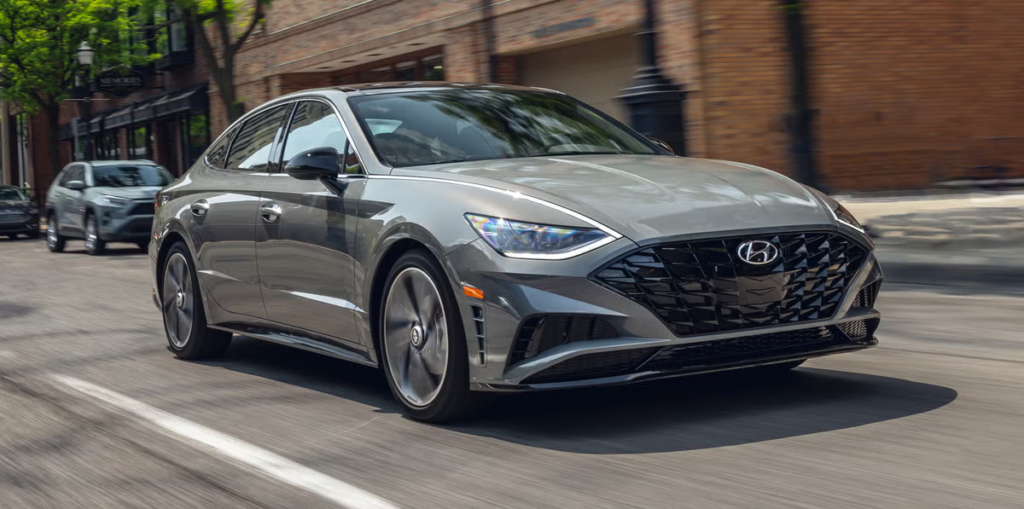
This recall specifically targets Hyundai Sonata sedans from the 2020, 2021, 2022, and 2023 model years. The key identifier is the presence of the non-hybrid 1.6-liter turbocharged four-cylinder engine. Owners of Sonatas equipped with the 2.0-liter hybrid powertrain are explicitly exempt from this recall. The distinction highlights a design or component difference specific to the 1.6L turbo setup that renders it vulnerable to this particular fuel system failure.
With over 85,000 units affected, this isn’t a minor issue impacting a handful of vehicles. It represents a significant portion of the Sonata fleet within those model years. For owners, understanding if their specific vehicle falls within this population is paramount. The National Highway Traffic Safety Administration (NHTSA) website, as always, remains the definitive resource for checking your vehicle’s recall status using its Vehicle Identification Number (VIN). Given the severity of the potential outcome—a car fire due to fuel tank defect—timely action is not just recommended, it’s imperative.
Recognizing the Red Flags: Symptoms of a Developing Hazard
One of the challenges with certain automotive defects is that they can manifest subtly before escalating to a critical failure. However, in this case, Hyundai has identified several potential indicators that owners should be acutely aware of. As an experienced eye in the field, I stress the importance of not dismissing these warning signs:
A “Pop” Noise from the Rear of the Vehicle: This isn’t just a curious sound; it’s a critical auditory warning. Such a “pop” could indicate the initial deformation or structural compromise of the fuel tank as it yields to internal pressure. It’s the sound of stress within the system.
Malfunction Indicator Light (MIL) Illumination: Commonly known as the “Check Engine Light,” the MIL is your vehicle’s primary way of telling you something is amiss. In this context, it could illuminate due to various EVAP system error codes triggered by abnormal pressure or flow within the fuel system diagnostics. Do not ignore the check engine light meaning; it’s a call to action.
A Smell of Fuel Around the Car: This is perhaps the most alarming and immediate indicator of a potential fuel leak. Gasoline fumes are highly flammable. If you detect the distinct odor of fuel, especially around the rear of your Sonata, it strongly suggests that the fuel tank or its connections are compromised. This demands immediate attention and cessation of driving if the smell is strong or persistent. This symptom moves the issue from a potential risk to an active hazard.
Vehicle May Not Start: While less common, an extreme fuel system anomaly or significant pressure imbalance could potentially prevent the engine from starting or cause rough idling. This points to a severe disruption of the fuel delivery system.

As of the recall filing, Hyundai confirmed seven documented fuel-tank leaks related to this issue across the United States and Canada, though thankfully, no crashes, injuries, or fatalities have been reported. This statistic, while low, serves as a stark reminder that the potential for severe consequences is very real. Early detection and prompt action based on these symptoms are crucial for preventing an escalation of this automotive safety issue.
Hyundai’s Proactive Remedial Strategy and What Owners Can Expect
Hyundai’s response to this significant safety concern involves a comprehensive, multi-pronged approach designed to address the root cause and ensure the long-term safety of affected vehicles. This is what owners should anticipate when they bring their Sonata to an authorized Hyundai dealership:
Purge Control Check Valve Inspection and Replacement: This is the primary fix. Technicians will thoroughly inspect the existing purge control check valve. If it’s found to be defective or showing signs of impending failure, it will be replaced with an updated, robust component designed to prevent the backflow of compressed air into the fuel tank. This directly addresses the turbocharged engine issues that initiate the problem.
Fuel Tank and Surrounding Components Inspection and Repair: Following the valve replacement, the dealership will conduct a meticulous inspection of the fuel tank itself and any adjacent components. This includes checking for signs of deformation, stress cracks, localized melting, or any evidence of fuel leakage. If damage is detected, the fuel tank and any compromised parts will be repaired or replaced as necessary. This is where a fuel tank repair cost would typically be incurred by an owner, but under this recall, it’s covered.
ECU Software Update: In addition to physical component replacement, Hyundai will update the Engine Control Unit (ECU) software. While specific details on the software modifications are proprietary, it’s highly probable that this update will incorporate enhanced monitoring parameters for fuel system pressure or introduce revised operational logic for the EVAP system, acting as a preventative measure to better manage potential pressure anomalies and ensure the system operates within safe tolerances. This reflects a growing trend in automotive engineering safety, leveraging software to mitigate hardware vulnerabilities.
Hyundai has also committed to providing reimbursement for owners who may have already incurred expenses for similar services performed prior to the recall announcement. This demonstrates an understanding of customer burden and reinforces the company’s commitment to standing behind its products, a critical aspect of Hyundai customer service recall management. Owners should retain all receipts and service records if they fall into this category.
Owner and dealer notifications are scheduled to commence by mail on January 16, 2026. However, my advice as an expert is not to wait for a physical letter. Take a proactive stance. If you own a 2020-2023 Hyundai Sonata with the 1.6L turbo engine, use the NHTSA recall lookup tool on their official website immediately by entering your VIN. This simple step can confirm your vehicle’s status and empower you to schedule an appointment with your dealership without delay.
The Broader Landscape: Automotive Recalls, Safety Standards, and Consumer Rights
This Sonata recall, while specific in its scope, is a potent reminder of the complexities inherent in modern vehicle manufacturing and the robust system designed to protect consumers. Automotive safety recalls are a common occurrence, affecting millions of vehicles annually across all manufacturers. They underscore the fact that even with rigorous design, testing, and quality control processes, latent defects can emerge, especially as vehicles accumulate real-world mileage under diverse operating conditions.
The NHTSA plays a pivotal role in this ecosystem. As the federal agency responsible for vehicle safety, it investigates potential defects, mandates recalls when necessary, and provides a centralized database for consumers to track recall information. Their work is often driven by consumer complaints, highlighting the importance of every individual reporting issues they encounter with their vehicles. This recall is a testament to the continuous dialogue between manufacturers, regulators, and the driving public in upholding safety standards.
For affected owners, understanding their rights beyond just the repair is also crucial. While the recall covers the necessary repairs, consumers should be aware of state-specific “lemon laws” which provide recourse for vehicles that experience persistent, unfixable defects, even after multiple repair attempts. While this specific recall aims to be a definitive fix, being informed about lemon law claims or auto defect compensation possibilities empowers owners to advocate for themselves should further issues arise. While not an attorney, my experience suggests that being proactive and well-documented about any repair processes is always in the owner’s best interest.
Looking Ahead: Maintaining Vigilance in 2025 and Beyond
As we navigate the automotive landscape of 2025 and prepare for 2026, the Hyundai Sonata fuel tank recall serves as a critical case study in consumer vigilance and manufacturers’ responsibility. For owners of affected vehicles, the message is clear: prioritize this recall. The potential for a fire risk from a compromised fuel tank is not theoretical; it’s a tangible danger that demands immediate attention.
Beyond the immediate fix, this event also sparks broader conversations within the industry about fuel system design, material science, and the integration of components from diverse suppliers. Manufacturers are continually striving to balance performance, efficiency, and cost with uncompromising safety. Lessons learned from recalls like this will undoubtedly inform future designs and engineering practices, particularly concerning pressurized systems and thermal management within tight engine bay constraints. The push for more resilient materials and redundant safety mechanisms will only intensify.
For all drivers, this recall reinforces the importance of paying attention to your vehicle. Modern cars are marvels of engineering, but they communicate with you through sounds, smells, and warning lights. Ignoring these signals can have serious consequences. Regular maintenance, attentive driving, and staying informed about your vehicle’s specific make and model are your best defenses against unforeseen issues.
Take Action Now: Your Safety Cannot Wait
The integrity of your vehicle’s fuel system is non-negotiable for your safety and that of your loved ones. If you own a 2020-2023 Hyundai Sonata with the 1.6-liter turbocharged engine, your immediate action is essential.
Don’t delay. Visit the official NHTSA website at NHTSA.gov today, input your Vehicle Identification Number (VIN), and confirm if your Sonata is part of this critical recall. Once confirmed, contact your nearest authorized Hyundai dealership without hesitation to schedule your inspection and necessary repairs. Your proactive step ensures your peace of mind and reinforces the paramount commitment to safety on our roads.