


Navigating the Hyundai Sonata Fuel Tank Recall: An Expert’s 2025 Deep Dive into Automotive Safety
As an automotive expert with a decade in the trenches, few scenarios demand immediate attention quite like a significant safety recall. In late 2025, the automotive landscape is still buzzing with news surrounding a critical issue affecting a substantial number of Hyundai Sonata sedans. This isn’t just about a minor glitch; we’re talking about a defect that could lead to the fuel tank melting and, consequently, a heightened vehicle fire risk. For owners of the 2020-2023 Hyundai Sonata models equipped with the non-hybrid 1.6-liter turbocharged engine, understanding the nuances of this recall, its implications, and the necessary steps is paramount. This isn’t merely a service bulletin; it’s a stark reminder of the complexities of modern automotive engineering flaws and the unwavering importance of automotive safety standards.
Let’s cut through the noise and delve into the specifics of this pressing Hyundai Sonata recall. We’ll explore the technical underpinnings of the problem, the potential dangers it poses, what Hyundai is doing to remedy it, and what you, as an affected owner or an informed consumer, need to know to protect yourself and your investment. The world of cars is evolving rapidly, with electrification and autonomous features dominating headlines, but fundamental issues like fuel system integrity remain a cornerstone of vehicle safety, a truth powerfully underlined by this incident.
The Genesis of the Problem: Unpacking the Purge Control Valve Failure
To truly grasp the gravity of the situation, we must first understand the culprit: a faulty purge control check valve. In an internal combustion engine, particularly one as sophisticated as a modern turbocharged engine, various systems work in concert to manage emissions and fuel efficiency. The purge control valve is a crucial component of the evaporative emissions (EVAP) system. Its primary role is to manage fuel vapor flow from the charcoal canister back into the engine’s intake manifold to be burned, preventing it from escaping into the atmosphere. This process is essential for environmental compliance and optimal engine performance.
However, in the affected Hyundai Sonatas, an automotive engineering flaw within this specific check valve has been identified. Instead of allowing vapor to flow only in one direction, the valve can fail, permitting compressed air to backflow directly from the turbocharger system into the fuel tank. Picture this: a sealed container designed to hold liquid fuel is suddenly subjected to increasing pressure from compressed air. This isn’t a gentle puff; it’s a sustained buildup that can cause the fuel tank to deform significantly.
Modern fuel tanks, particularly those in sedans like the Sonata, are typically made of high-density polyethylene (HDPE), a durable plastic. While robust, these tanks are engineered to withstand internal pressure fluctuations within specified limits. When the internal pressure exceeds these design parameters due to the persistent backflow of compressed air, the plastic tank begins to swell and deform. This deformation isn’t just cosmetic; it changes the tank’s physical dimensions and, critically, its proximity to other vehicle components. This is where the true danger begins to manifest, transitioning from a mere mechanical anomaly to a serious safety hazard that warrants immediate attention and a thorough understanding of defective automotive parts.
The “Melt” Factor: Why Fuel Tank Deformation Leads to a Fire Risk
The term “melt” immediately conjures images of catastrophic failure, and in this context, it’s alarmingly accurate. As the plastic fuel tank expands and deforms due to the internal pressure, it can come into direct contact with surrounding hot exhaust components. The exhaust system, particularly the catalytic converter and exhaust pipes, operates at extremely high temperatures, often exceeding 1000 degrees Fahrenheit (538 degrees Celsius). For a plastic fuel tank, even momentary contact with such extreme heat can initiate localized melting.
Once the plastic begins to melt, the fuel system integrity is compromised. A pinhole leak or a larger rupture can form, allowing gasoline, a highly flammable liquid, to escape. Given the source of the heat (the exhaust system), the leaked fuel is immediately exposed to an ignition source. This creates an extremely dangerous scenario where a vehicle fire risk becomes not just theoretical, but highly probable. We’ve seen tragic incidents unfold in the past due to compromised fuel lines or tanks, and the potential for a fire involving thousands of vehicles across the United States and Canada is a stark reminder of why rigorous auto safety recalls are absolutely essential.
Beyond the immediate fire risk, a leaking fuel tank also poses environmental hazards and potential health risks from prolonged exposure to fuel vapors. This cascade of potential failures underscores why the NHTSA recalls process is so critical and why Hyundai acted decisively, albeit after some initial reports of issues. It’s not just about repairing a part; it’s about averting potential tragedy and upholding consumer protection automotive principles.
Affected Vehicles and Identifying the Warning Signs
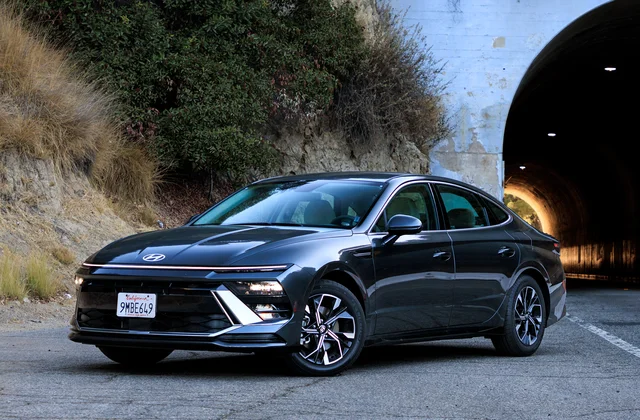
The Hyundai Sonata recall specifically targets Sonatas from the 2020 to 2023 model years that are equipped with the non-hybrid 1.6-liter turbocharged four-cylinder engine. It’s crucial to note that Sonatas with the 2.0-liter hybrid powertrain are not affected by this particular issue, as their fuel system and engine configurations differ significantly. This precise targeting is characteristic of modern recalls, where manufacturers can pinpoint specific component batches or engine variants linked to a defect.

For owners of these models, vigilance is key. Hyundai and the NHTSA have outlined several potential indicators that your vehicle might be experiencing this issue. As an expert, I always advise owners to pay close attention to unusual symptoms, as they are often the earliest warnings of a developing problem. These include:
A “Pop” Noise from the Rear of the Car: This is often the sound of the fuel tank deforming or releasing pressure in an abnormal way. While it might be subtle, any unusual noise from the vehicle’s rear should be investigated.
Malfunction Indicator Light (Check Engine Light) Illumination: The check engine light (CEL) can be triggered by a wide array of engine and emissions-related issues, including problems with the EVAP system and fuel pressure regulation. If your CEL comes on, do not ignore it.
Smell of Fuel Around the Car: This is perhaps the most concerning and direct indicator of a leak. If you detect the odor of gasoline, especially after driving or when the car is parked, it demands immediate attention. Fuel odors should never be dismissed.
Vehicle Not Starting: While less common as an initial symptom, a severely deformed fuel tank or a compromised fuel delivery system due to the pressure issue could eventually prevent the engine from starting.
Hyundai has confirmed a handful of fuel-tank leaks related to this recall in both the United States and Canada, though thankfully, no crashes, injuries, or fatalities have been attributed to this specific defect as of the recall’s filing. This is often the outcome when manufacturers act proactively, highlighting the effectiveness of the vehicle recall process when it functions as intended.
Hyundai’s Response: The Remedy and What to Expect at the Dealership
Hyundai has initiated a comprehensive remedy plan, and owners of affected vehicles will be notified via mail. My advice, reiterated from years of experience dealing with auto safety defects, is not to wait for the letter if you suspect an issue or know your car is within the affected VIN range. Proactivity is your best defense.
Once you bring your Sonata to an authorized Hyundai dealership, technicians will perform a multi-faceted service designed to address the root cause and any existing damage. The prescribed remedy includes:
Inspection and Potential Replacement of the Purge Control Check Valve: This is the core fix. The faulty valve will be inspected, and if found defective or as a preventative measure, it will be replaced with an updated, robust component.
Inspection and Potential Repair/Replacement of the Fuel Tank and Surrounding Components: Technicians will thoroughly inspect the fuel tank for any signs of deformation, melting, or leaks. Depending on the extent of the damage, the fuel tank itself or adjacent components compromised by the deformation will be repaired or replaced entirely. This ensures fuel system integrity is fully restored.
ECU Software Update: As an additional preventative measure, the vehicle’s Engine Control Unit (ECU) software will be updated. While not directly fixing the mechanical valve, software updates can sometimes refine system monitoring, potentially providing earlier warnings for pressure irregularities or other related issues.
Hyundai has also committed to providing reimbursement for affected owners who may have already incurred costs performing the same services before the official recall was filed. This is standard practice in vehicle recall process and a crucial aspect of maintaining consumer protection automotive trust. The dealer service experience should be streamlined for these recall repairs, and owners should expect transparent communication and efficient service. It’s always a good idea to schedule your appointment in advance and confirm the availability of parts.
Broader Implications for Owners and the Automotive Industry
This Hyundai Sonata recall transcends the immediate fix; it carries significant implications for both current owners and the broader automotive landscape in 2025.
For owners, while the repair itself is at no cost, the inconvenience is undeniable. Scheduling service, potentially arranging alternative transportation, and the underlying concern about Hyundai reliability issues can be frustrating. This event might trigger questions about extended warranty considerations for future components, though typically, recall repairs do not extend the general vehicle warranty. Owners should document all communications with Hyundai and the dealership, keeping records of service performed. In rare cases where a vehicle experiences repeated failures after a recall repair, lemon law automotive provisions might become relevant, though this is usually reserved for persistent, unfixable defects.
From an industry perspective, this recall highlights the perpetual challenge of ensuring automotive safety standards in increasingly complex vehicles. Modern cars integrate thousands of components, and a seemingly small part like a check valve can have cascading, dangerous effects. For Hyundai, this event will undoubtedly lead to heightened scrutiny of their quality control processes, especially for critical components like fuel systems. Maintaining consumer trust is paramount, and how transparently and efficiently Hyundai manages this recall will significantly impact its brand reputation in a highly competitive market where car safety defects are taken very seriously. It serves as a stark reminder to all manufacturers that rigorous testing and robust quality assurance are non-negotiable at every stage of design and production.
Navigating the Recall: Your Action Plan for Peace of Mind
If you own a 2020-2023 Hyundai Sonata with the 1.6-liter turbocharged engine, here’s your immediate action plan:
Verify Your Vehicle’s Status: Even if you haven’t received a letter yet, use your Vehicle Identification Number (VIN) to check the official NHTSA website (nhtsa.gov/recalls) or Hyundai’s dedicated recall portal. This is the quickest and most reliable way to confirm if your specific vehicle is affected by the Hyundai Sonata recall.
Contact Your Dealership: As soon as you confirm your vehicle is part of the recall, contact your local authorized Hyundai dealership to schedule an appointment. Inform them it’s for the fuel tank purge valve recall.
Prioritize Safety: If you detect a strong fuel smell, hear unusual noises, or see your check engine light, do not delay. Park your vehicle in a safe, well-ventilated area away from potential ignition sources and contact your dealership immediately. If you have any doubt, avoid driving the vehicle until it can be inspected.
Document Everything: Keep records of all communications with Hyundai and your dealership, including appointment dates, repair orders, and any associated costs (if you had the repair done prior to the official recall).
Stay Informed: Monitor official communications from Hyundai and the NHTSA. While the initial remedy is in place, the world of vehicle recall process can sometimes involve subsequent updates or further actions if new information emerges.
Looking Ahead: The Evolving Landscape of Vehicle Safety
In 2025, as the automotive industry charges forward with electrification and advanced driver-assistance systems, it’s easy to overlook the foundational elements of vehicle safety. This Hyundai Sonata recall serves as a potent reminder that the pursuit of innovation must always be balanced with an unwavering commitment to basic structural and mechanical integrity. The vigilance of regulatory bodies like the NHTSA, coupled with manufacturers’ proactive responses, remains crucial in safeguarding consumers. The continuous improvement of automotive safety standards is a journey, not a destination, and every recall, every investigation, contributes to a safer driving environment for us all.
This incident also reinforces the importance of informed ownership. Understanding your vehicle, recognizing potential warning signs, and taking prompt action are vital responsibilities that every car owner shares. Your safety, and the safety of those around you, depends on it.
Don’t let uncertainty compromise your safety or peace of mind. If you own a 2020-2023 Hyundai Sonata with the 1.6L turbo engine, verify your recall status today and schedule your service without delay. Act now to ensure your vehicle’s safety and integrity.