



Critical Fuel System Alert: Navigating the Hyundai Sonata Recall and Ensuring Your Automotive Safety in 2025
As a veteran in the automotive industry, having spent over a decade dissecting vehicle engineering, safety protocols, and the nuances of driver experience, I’ve witnessed firsthand the relentless pursuit of perfection by manufacturers, often punctuated by moments where even the most rigorous designs encounter unexpected challenges. The automotive landscape of 2025 is a tapestry woven with advanced technology, stringent safety standards, and an increasingly informed consumer base. It’s against this backdrop that we must examine the recent, significant recall affecting certain Hyundai Sonata sedans – a situation that underscores the persistent importance of vehicle safety and proactive ownership.
This isn’t just another service bulletin; it’s a critical safety advisory involving a component as fundamental as your vehicle’s fuel system. For tens of thousands of Hyundai Sonata owners, the issue at hand is the potential for their vehicle’s gas tank to deform and even melt. While the thought might sound alarming, understanding the specifics, the underlying engineering, and the preventative measures is paramount. Let’s dive deep into this recall, what it means for you, and how it reflects the broader evolution of automotive safety in our current climate.
Decoding the Hyundai Sonata Fuel Tank Recall: The Core Issue
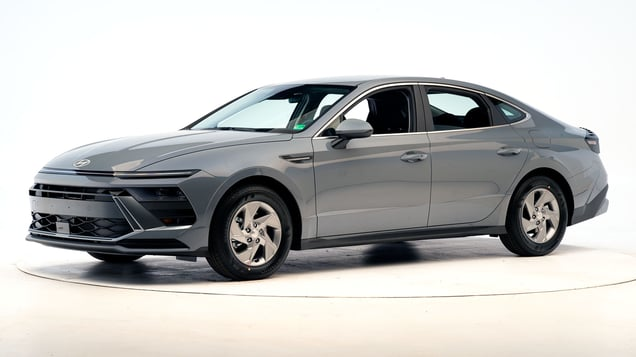
The National Highway Traffic Safety Administration (NHTSA) documents outline a serious concern for approximately 85,043 Hyundai Sonata sedans. The recall specifically targets models from 2020 through 2023, equipped with the non-hybrid turbocharged 1.6-liter four-cylinder engine. It’s crucial to note that Sonata vehicles featuring the 2.0-liter hybrid powertrain are not implicated in this particular recall. This specificity immediately narrows down the affected population, allowing owners to quickly ascertain their vehicle’s status.
At the heart of the problem lies a critical component: the purge control check valve. In a healthy fuel system, this valve plays a vital role in managing fuel vapor emissions and maintaining appropriate pressure. However, in the affected Sonatas, a defect within this valve allows for an unintended backflow of compressed air from the turbocharger directly into the fuel tank. When a sufficient volume of this high-pressure air accumulates, it can cause the fuel tank to deform and expand beyond its design parameters.
This expansion is where the danger truly begins. A distended fuel tank can come into direct contact with hot exhaust components, particularly the exhaust pipes, which operate at high temperatures. The sustained contact with these hot surfaces can cause the fuel tank material to melt. This isn’t merely a structural integrity issue; a compromised fuel tank can leak fuel, dramatically increasing the risk of a vehicle fire. For any driver, the potential for a car fire is one of the most terrifying scenarios, making this recall a top-tier safety priority.
The Role of the Purge Control Check Valve: An Expert’s Perspective
To truly grasp the gravity of this situation, it helps to understand the engineering behind the purge control check valve. In modern automotive engineering, every component serves a precise function, often intricately linked to multiple systems. The fuel system is a complex network designed to safely store, deliver, and manage fuel and its associated vapors. The purge control valve is an integral part of the evaporative emissions control (EVAP) system.

Its primary function is to draw fuel vapors from the charcoal canister (where they are stored) and feed them into the engine to be burned, rather than released into the atmosphere. This process not only makes vehicles more environmentally friendly but also helps maintain proper fuel tank pressure. A crucial aspect of this system is preventing excessive pressure or vacuum within the fuel tank. When the purge control check valve fails to function correctly, particularly when it allows compressed air into the tank, it creates an overpressure scenario the tank isn’t designed to withstand.
The 1.6-liter turbocharged engine introduces an additional layer of complexity. Turbochargers boost engine power by forcing more air into the combustion chamber. This process generates higher pressures within the intake and exhaust systems. A faulty check valve, in this context, effectively creates a pathway for this high-pressure air to be misdirected, acting like an uncontrolled inflation device for the fuel tank. This intricate interplay highlights why even a seemingly minor component failure can cascade into a significant automotive safety recall. As an automotive safety expert, I can attest that these kinds of nuanced engineering failures require meticulous investigation and precise remedies.
Identifying the Warning Signs: Your Car’s Communication
While Hyundai is proactively notifying owners, vigilance is always a driver’s best ally. Recall documents indicate several potential signs that your Sonata may be experiencing this issue. These aren’t just generic car troubles; they are specific indicators demanding immediate attention:
Audible “Pop” Noise from the Rear: This is perhaps the most direct indicator of the fuel tank deforming under pressure. A sudden, unexplained pop or bang from the rear of the vehicle, where the fuel tank is located, should never be ignored.
Malfunction Indicator Light (Check Engine Light) Illumination: Modern vehicles are equipped with sophisticated diagnostic systems. While a check engine light can signify a multitude of issues, in this context, it could point to an anomaly within the EVAP system or fuel pressure sensors reacting to the over-pressurization. This is a general alert that something is amiss and warrants a diagnostic scan.
Smell of Fuel Around the Car: This is a critical red flag. A fuel smell invariably points to a leak. If the fuel tank has begun to melt or crack due to expansion, fuel vapors, or even liquid fuel, can escape. Any detection of a gasoline odor, especially near the rear of the vehicle, mandates immediate inspection and should trigger extreme caution due to the inherent fire risk.
Vehicle Not Starting: While less direct, severe deformation or a significant fuel leak could, in extreme cases, affect fuel delivery or create safety lockouts, preventing the engine from starting.
As of the recall’s filing, Hyundai acknowledged seven instances of fuel tank leaks in the U.S. and Canada directly linked to this issue. Crucially, there have been no reported crashes, injuries, or fatalities related to this defect. This highlights the proactive nature of the recall – identifying and addressing the problem before it escalates to tragic consequences. This is the ultimate goal of NHTSA safety advisories and manufacturer recalls.
Hyundai’s Resolution and the Owner’s Path Forward
For affected owners, the path to resolution is clearly defined. Hyundai is committed to rectifying this serious automotive defect. Owners of implicated vehicles will receive official notification via mail, instructing them to schedule an appointment with an authorized Hyundai dealership. This isn’t a DIY fix; it requires professional attention.
The prescribed remedy is multi-faceted and designed to comprehensively address the issue:
Purge Control Check Valve Inspection and Replacement: Technicians will first inspect the existing purge control check valve. If it’s found to be faulty, or as a preventative measure for the entire affected population, it will be replaced with an updated, robust component designed to prevent the backflow of compressed air. This is a direct fix for the root cause of the problem.
Fuel Tank and Surrounding Component Inspection and Repair: Given the potential for tank deformation and melting, the fuel tank itself and any adjacent components that might have been affected by heat or pressure will be thoroughly inspected. If any damage, deformation, or melting is detected, the fuel tank and associated parts will be repaired or replaced as necessary to restore fuel system integrity. This is where the preventative car maintenance aspect truly comes into play post-recall.
ECU Software Update: As an additional preventative measure, the Engine Control Unit (ECU) software will be updated. This update likely incorporates revised parameters related to fuel system pressure monitoring or purge valve operation, providing an extra layer of protection and potentially earlier detection of anomalies.
Hyundai has also confirmed that it will provide reimbursement for owners who may have already incurred costs for these specific repairs prior to the recall’s official announcement. This demonstrates a commitment to customer fairness and accountability. Hyundai owner resources often include such reimbursement policies for pre-recall repairs.
Notifications to owners and dealers are slated to commence around January 16, 2026. However, I strongly advise any owner concerned about their vehicle to proactively check its recall status immediately. The NHTSA website (nhtsa.gov/recalls) offers a user-friendly tool where you can enter your Vehicle Identification Number (VIN) to determine if your Sonata is included in this, or any other, active recall. This is a crucial step for vehicle inspection checklist every owner should perform.
The Broader Landscape: Automotive Recalls in 2025
This Hyundai Sonata recall, while specific, is a salient reminder of the ongoing challenges and commitments within the broader automotive industry in 2025. In an era where vehicles are becoming increasingly complex – integrating advanced driver-assistance systems (ADAS), sophisticated infotainment, and diverse powertrains – the sheer number of components and software lines exponentially increases potential points of failure.
Manufacturer Accountability: In a fiercely competitive market, a company’s response to a safety recall is a definitive test of its commitment to vehicle safety standards and customer trust. Hyundai, like other major manufacturers, operates under intense scrutiny. A swift, transparent, and comprehensive recall strategy is vital for maintaining brand reputation and consumer confidence. This is particularly important for models like the Sonata, which are key players in the sedan segment.
The Role of Technology in Diagnostics: Looking ahead in 2025, we anticipate even greater reliance on telematics and predictive diagnostics. Vehicles are increasingly “connected,” capable of transmitting operational data back to manufacturers. This data, anonymized and aggregated, could potentially flag systemic issues even before they manifest as noticeable problems for drivers, enabling more proactive and targeted recalls. Imagine a future where a vehicle’s onboard systems could detect subtle pressure anomalies in the fuel tank and alert both the driver and the manufacturer simultaneously. This shift could redefine fuel system diagnostic capabilities.
Supply Chain Scrutiny: Recalls often stem not just from design flaws but also from component manufacturing defects. The automotive supply chain is global and intricate. This recall underscores the continuous need for rigorous quality control at every tier of the supply chain, ensuring that every part, down to a seemingly small check valve, meets stringent specifications. Quality assurance for turbocharger reliability and associated components is paramount.
Consumer Empowerment: With readily available information and tools like the NHTSA recall database, consumers are more empowered than ever. Understanding your rights, knowing how to check for recalls, and recognizing potential warning signs are critical aspects of responsible vehicle ownership. This fosters a culture of proactive engagement between owners and manufacturers, leading to safer roads for everyone. Consumer vehicle rights are well-protected, and leveraging available resources is essential.
Beyond the Recall: General Automotive Safety in a Changing World
While this specific recall demands attention, it also serves as a valuable opportunity to reinforce broader principles of automotive safety. In 2025, as we witness the accelerating transition to electric vehicles (EVs), the nature of vehicle safety concerns is evolving. While EVs eliminate liquid fuel fire risks, they introduce new considerations like battery thermal management and high-voltage system integrity. However, for the millions of internal combustion engine (ICE) vehicles still on the road, including the Hyundai Sonata, traditional fuel system safety remains a critical concern.
Regular vehicle maintenance, adhering to service schedules, and paying attention to any unusual noises, smells, or dashboard warnings are universally applicable best practices. A proactive approach to car safety defects and engine performance issues not only ensures your safety but also contributes to the longevity and reliability of your vehicle. For those considering buying a used Sonata from the affected model years, a pre-purchase used car safety check that includes verifying recall completion is absolutely non-negotiable. Always prioritize vehicles with a clear history of maintenance and recall compliance.
An Invitation to Proactive Safety
The Hyundai Sonata fuel tank recall is a stark reminder that even well-engineered vehicles can encounter unexpected issues. As an automotive safety expert with years immersed in this field, my message to you is clear: your safety on the road is paramount. Don’t defer or dismiss recall notices. Embrace the resources available to you, like the NHTSA website, and take immediate action if your vehicle is affected. This isn’t just about avoiding a potential fire; it’s about ensuring peace of mind for you and your loved ones every time you turn the ignition.
Stay informed, stay vigilant, and empower yourself with knowledge. Your proactive engagement is the strongest line of defense against unforeseen automotive challenges. Let’s drive forward together, ensuring that every journey is as safe as it is enjoyable.