



Urgent Alert: Hyundai Sonata Fuel Tank Recall – A 2025 Expert Guide to Mitigating Fire Risk and Ensuring Vehicle Safety
From my decade of immersion in automotive engineering and vehicle safety, few alerts carry the immediate weight and potential for catastrophe as a fuel system recall. As we navigate the complexities of the 2025 automotive landscape, where cutting-edge technology intertwines with consumer expectation for impeccable reliability, the recent advisory concerning specific Hyundai Sonata models serves as a stark reminder that even the most advanced vehicles can harbor critical vulnerabilities. Hyundai has initiated a significant recall affecting over 85,000 Sonata sedans from the 2020-2023 model years, specifically those equipped with the 1.6-liter turbocharged four-cylinder engine. The core issue? A defective purge control check valve that could lead to the unthinkable: a melting fuel tank and an increased risk of vehicle fires. This isn’t merely a maintenance nuisance; it’s a profound safety hazard that demands immediate attention and a comprehensive understanding from every affected owner.
The Heart of the Matter: Understanding the Purge Control Check Valve Malfunction in Modern Turbocharged Systems
To truly grasp the gravity of this recall, we must delve into the intricate dance between a vehicle’s fuel system and its emission controls, especially within the confines of a turbocharged engine. In an ideal world, the purge control check valve (PCCV) is a silent guardian, a seemingly minor component with a critical role. Its primary function is to manage the flow of fuel vapors from the charcoal canister back into the engine’s intake manifold to be burned, preventing their release into the atmosphere. This process is a cornerstone of modern emissions compliance, ensuring that your vehicle runs cleaner and more efficiently.
However, the specific design and integration with a turbocharged engine introduce a unique point of failure in the recalled Sonatas. Turbochargers, while fantastic for boosting performance and fuel economy, operate under immense pressure. They compress air before forcing it into the engine, creating a highly dynamic environment within the intake system. In the affected Sonata models, the faulty PCCV allows this pressurized air, which should be directed solely to the engine’s combustion chambers, to backflow into the fuel tank.
Think of your fuel tank not as a simple container, but as a meticulously designed component intended to operate within specific pressure parameters. When compressed air – sometimes reaching pressures significantly higher than the tank is designed to withstand – is forced into this sealed environment, the consequences are predictable and alarming. The tank begins to deform, expanding beyond its intended shape. This isn’t a gradual, harmless shift; it’s a structural compromise under stress. From an automotive engineering standpoint, any component operating outside its design specifications is a failure waiting to happen. The precise nature of this PCCV defect, allowing unidirectional flow to reverse, underscores the intricate balance required in complex automotive systems and how a single, seemingly small part can trigger a cascade of hazardous events. This critical automotive engineering flaw highlights the continuous challenges in integrating diverse systems for optimal performance and safety.
From Expansion to Catastrophe: The Melting Fuel Tank Hazard
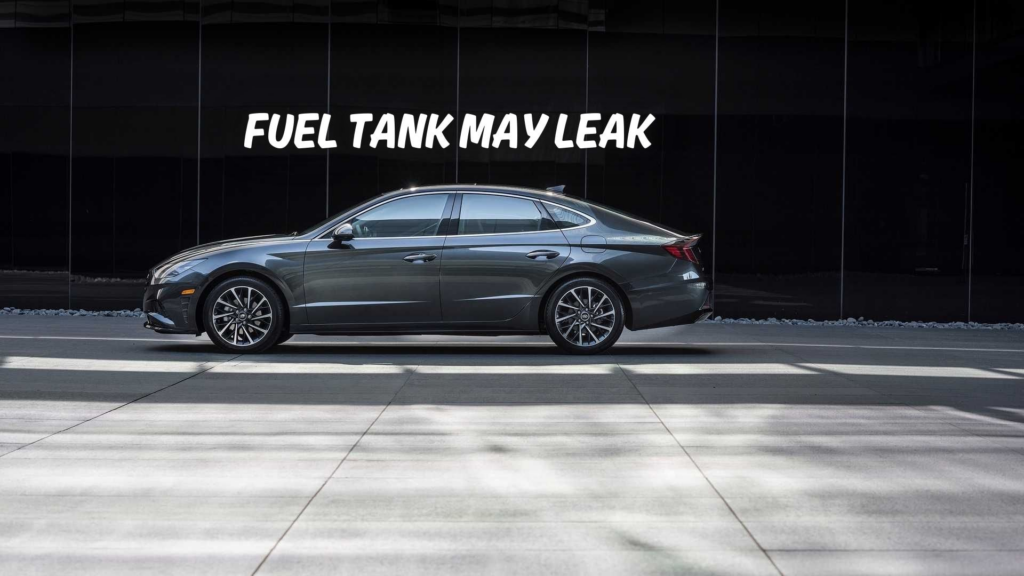
The expansion of the fuel tank is merely the precursor to the potentially catastrophic outcome. As the tank deforms under internal pressure, its physical dimensions change, pushing it closer, or even directly into, adjacent components. The most perilous of these are the hot exhaust pipes. Exhaust systems operate at extremely high temperatures, particularly when the engine is under load or after extended driving. We’re talking about temperatures that can easily exceed the melting point of common automotive plastics used in fuel tank construction.
When the expanded plastic fuel tank makes direct contact with these scorching exhaust pipes, the inevitable occurs: the plastic begins to melt. This isn’t just a slight softening; it’s a structural breakdown of the fuel tank material. As the tank melts, it compromises its integrity, leading to a fuel leak. And herein lies the immediate and profound danger: highly flammable gasoline, escaping from a damaged tank, dripping onto white-hot exhaust components. This volatile combination creates an alarmingly high car fire hazard. In my experience, even a small fuel leak in proximity to an ignition source can rapidly escalate into a full-blown vehicle fire, threatening not only the vehicle’s occupants but also surrounding property. This is why this particular fuel system repair is not merely advised, but absolutely critical.
Beyond the immediate fire risk, there are other significant repercussions. A compromised fuel tank and leaking fuel pose a substantial environmental threat. Gasoline contains numerous volatile organic compounds and toxic substances that can contaminate soil and water, leading to long-term ecological damage. Furthermore, the structural damage to the fuel tank could lead to other system failures, affecting fuel delivery, engine performance, and even the vehicle’s overall structural integrity in an accident. The implications extend far beyond the fire itself, touching upon public safety, environmental responsibility, and the fundamental reliability of the vehicle. This intricate failure mode underscores why automotive safety recalls like this are paramount.
Identifying the Red Flags: What Owners Need to Know in 2025
In an era of hyper-connected vehicles and advanced diagnostics, early detection remains an owner’s most powerful tool. While your Hyundai Sonata may not have sophisticated AI detecting pressure fluctuations in its fuel tank, it will certainly communicate distress through more conventional, yet equally vital, indicators. As an owner of an affected 2020-2023 Hyundai Sonata with the 1.6L turbo engine, being attuned to these warning signs can literally be a lifesaver.
Audible Cues – The “Pop” Noise: Many owners have reported hearing an unusual “pop” or “thump” noise emanating from the rear of the vehicle. This distinct sound is often the tell-tale sign of the fuel tank deforming under pressure, its plastic structure shifting or suddenly expanding. If you hear such a noise, especially after driving, do not dismiss it. It’s your vehicle trying to communicate a serious internal stress.
Visual Indicators – Malfunction Indicator Light (MIL) & Fuel Odor: The illuminated Malfunction Indicator Light, often colloquially known as the “Check Engine Light,” is a universal signal that your vehicle’s onboard diagnostic (OBD-II) system has detected a fault. While this light can signify a myriad of issues, in the context of this Hyundai Sonata recall, it could be triggered by issues related to fuel system pressure, emissions irregularities, or even sensor readings impacted by the expanding tank. Even more immediately concerning is the smell of fuel. If you detect the distinct odor of gasoline around your vehicle, especially when parked or after driving, it’s a critical red flag for a potential fuel leak. Do not drive the vehicle; a fuel leak indicates an immediate fire hazard and demands professional inspection.
Performance Issues – Starting Difficulties: While less common, the severe deformation of the fuel tank can impact the fuel pump’s ability to draw fuel efficiently, or even disrupt the fuel lines. This could manifest as unusual difficulty starting the vehicle, prolonged cranking times, or even rough idling. These symptoms, especially when combined with others, point to a significant vehicle defect within the fuel delivery system.

In 2025, our vehicles are more communicative than ever. While this specific issue may not show up on your infotainment screen as a “Fuel Tank Alert,” regular attention to dashboard warnings, unusual sounds, and your sense of smell are paramount. Leverage your vehicle’s digital owner’s manual for specific warning light meanings, and never ignore an illuminated MIL. Early detection of these symptoms is crucial in preventing the situation from escalating from a pressurized tank to a dangerous fuel leak.
The Affected Population: Pinpointing the Risk
Precision in recall identification is critical for effective remediation. Hyundai’s recall specifically targets Sonata sedans from the 2020, 2021, 2022, and 2023 model years. Crucially, the issue is tied to a particular powertrain: the non-hybrid 1.6-liter turbocharged four-cylinder engine. This specificity means that Sonatas equipped with other engine configurations, such as the 2.0-liter hybrid powertrain or the standard 2.5-liter naturally aspirated engine, are not included in this recall. This distinction is vital for owners to understand, as it narrows down the affected vehicles to those where the specific interaction between the turbocharger and the faulty purge control check valve is present.
The recall population encompasses 85,043 units, distributed across the United States and Canada. This sizable number underscores the scope of the potential safety hazard and the logistical challenge Hyundai faces in ensuring every affected vehicle is inspected and repaired. As a vehicle owner, it’s imperative to verify if your specific vehicle falls within this recall scope. The simplest and most reliable method is to use your Vehicle Identification Number (VIN) on the National Highway Traffic Safety Administration (NHTSA) website or Hyundai’s dedicated recall portal. This precise identification is a core component of consumer protection automotive initiatives, ensuring targeted action.
Hyundai’s Swift Response & Comprehensive Remedy (2025 Standards)
In today’s highly scrutinized automotive industry, a manufacturer’s response to a critical safety recall is a defining moment for its brand integrity and commitment to customer safety. From my professional vantage point, Hyundai’s approach to this NHTSA recall appears to be both comprehensive and aligned with 2025 industry standards for manufacturer accountability.
The prescribed remedy is multi-faceted, designed not only to fix the immediate defect but also to prevent future occurrences:
Purge Control Check Valve (PCCV) Inspection and Replacement: This is the primary corrective action. Technicians at authorized Hyundai dealerships will inspect the existing PCCV. If it’s found to be defective or suspected of malfunction, it will be replaced with an updated, redesigned component that addresses the backflow issue. This is a direct fix for the root cause of the fuel tank expansion.
Fuel Tank and Surrounding Components Assessment and Repair: Given the potential for the fuel tank to have expanded or made contact with the exhaust system, a thorough inspection of the fuel tank, its mounting points, and any adjacent components (including exhaust pipes and heat shields) is mandatory. If damage, deformation, or evidence of contact is found, the fuel tank will be repaired or, if necessary, replaced. Any compromised surrounding parts will also be addressed. This ensures the structural integrity of the entire fuel system is restored.
ECU Software Update: In 2025, software plays an increasingly critical role in automotive systems. As a preventative measure, Hyundai is also implementing an engine control unit (ECU) software update. This update is likely designed to monitor fuel system pressures more closely, adjust engine parameters to minimize the conditions that could exacerbate the issue, or provide enhanced diagnostic capabilities to detect potential pressure anomalies earlier. It’s a proactive step that leverages modern vehicle technology to enhance safety beyond just a mechanical fix.
For owners who may have already experienced symptoms and sought repairs prior to the official recall notification, Hyundai has committed to providing reimbursement. This policy is a standard and ethical practice in the automotive industry, ensuring that proactive owners are not penalized for addressing a manufacturer’s defect before a recall campaign is formalized. The logistical challenge for Hyundai’s dealership network is significant, requiring the allocation of specialized parts, trained technicians, and efficient scheduling to manage the influx of affected vehicles. This underscores the scale and seriousness with which auto industry safety standards are upheld.
NHTSA and the Automotive Safety Landscape in 2025
The National Highway Traffic Safety Administration (NHTSA) stands as the unwavering guardian of automotive safety in the United States. In 2025, its role remains as crucial as ever, overseeing the detection, investigation, and enforcement of safety recalls to protect millions of drivers. The Hyundai Sonata recall is a direct result of NHTSA’s oversight, triggered by consumer complaints and Hyundai’s own internal investigations.
The recall process, a cornerstone of consumer protection automotive, typically begins with initial reports – often from vehicle owners, dealerships, or even internal quality control data from the manufacturer. If a pattern of safety-related defects emerges, NHTSA may initiate an investigation. This involves collecting data, conducting tests, and engaging directly with the manufacturer. If a safety defect is confirmed, the manufacturer is legally obligated to issue a recall and provide a free remedy to affected owners.
In today’s digital age, staying informed about recalls is easier than ever. NHTSA’s website (NHTSA.gov) provides a comprehensive database where owners can search for recalls by VIN, model, or year. Manufacturers are also mandated to notify owners directly by mail. From an expert perspective, the efficacy of the recall system in 2025 relies heavily on two pillars: diligent manufacturer reporting and proactive owner engagement. Ignoring a recall notice is not just risky; it’s an oversight of a critical safety safeguard designed specifically for you. This underscores the importance of preventative maintenance car protocols and staying abreast of all manufacturer communications.
Beyond the Fix: Long-Term Implications for Owners and the Brand
A safety recall, while resolved with a technical fix, often casts a longer shadow, impacting both the vehicle’s owner and the manufacturer’s brand reputation. For owners of the recalled Hyundai Sonata, concerns may extend beyond the immediate repair.
Maintaining Resale Value: While a fixed recall should technically restore a vehicle to its intended safety standards, the public perception of a “recalled vehicle” can sometimes affect its recalled vehicles value on the secondary market. However, with proper documentation of the completed recall service from an authorized Hyundai dealership, much of this concern can be mitigated. A transparent service history is key.
Building and Rebuilding Consumer Trust: For Hyundai, this recall is a significant test of its commitment to quality and customer care. How they handle the logistics, communicate with owners, and ensure the effectiveness of the remedy will profoundly influence consumer trust. In 2025, with social media and online reviews amplifying every experience, a swift, transparent, and effective recall response is paramount for brand integrity.
Future Engineering Considerations: Every recall serves as a learning experience for manufacturers. This specific issue will undoubtedly lead to further scrutiny of fuel system integration with turbocharged powertrains across Hyundai’s future vehicle designs, reinforcing their automotive engineering flaws prevention protocols.
For owners, the long-term impact is minimized by promptly addressing the recall. A vehicle that has undergone the prescribed recall service is generally considered as safe as it was intended to be when new. Neglecting the recall, however, leaves a persistent safety hazard and could complicate future warranty claims or trade-in valuations. This is why a positive dealer service experience during this recall is so important.
Proactive Vehicle Ownership in the Digital Age
As an expert who has witnessed the evolution of automotive technology and safety standards over the past decade, I cannot emphasize enough the importance of proactive vehicle ownership in 2025. Your car is an intricate machine, and while recalls address specific defects, general vigilance and informed decision-making are your best defenses against unforeseen issues.
Regular Maintenance Goes Beyond Oil Changes: While this recall focuses on a specific defect, ensuring your vehicle receives regular, comprehensive maintenance according to the manufacturer’s schedule is fundamental. This includes checks of your fuel system, emissions components, and engine diagnostics, which can help detect anomalies early. Investing in good Hyundai maintenance is always a wise decision.
Utilizing Online Resources: The NHTSA website (NHTSA.gov) is an invaluable tool for every vehicle owner. Bookmark it, and make it a habit to periodically check for any open recalls on your vehicle using your VIN. Many manufacturers also have dedicated recall pages on their official websites.
The Value of an Informed Owner: The more you understand about your vehicle, its systems, and potential warning signs, the better equipped you are to make timely decisions. Don’t hesitate to ask questions at your dealership or consult reputable automotive resources.
Choosing a Reliable Service Center: Especially for recall work, always opt for an authorized dealership service center. They have the specific training, tools, and genuine parts required to perform the remedy correctly, ensuring the integrity of your vehicle’s systems and maintaining your warranty.
This Hyundai Sonata fuel tank recall is a serious concern, but it’s one that has a clear and effective solution. Don’t let complacency turn a preventable issue into a devastating event.
Act Now for Uncompromised Safety
In a world where vehicle safety is paramount, taking action on a recall is not just advisable—it’s essential. If you own a 2020-2023 Hyundai Sonata with the 1.6-liter turbocharged engine, your immediate priority should be to confirm if your vehicle is affected and schedule the necessary recall service without delay. Your peace of mind, the safety of your passengers, and the integrity of your investment depend on it. Don’t wait for a warning sign; be proactive.
Visit the NHTSA website at NHTSA.gov or your local authorized Hyundai dealership today to check your vehicle’s recall status and arrange for this critical safety upgrade. Prioritize your vehicle’s safety, and drive with confidence.