



Beyond the Thunderbird: Revisiting Ford’s Forgotten Italian-American Dream in the 2025 Collector Market
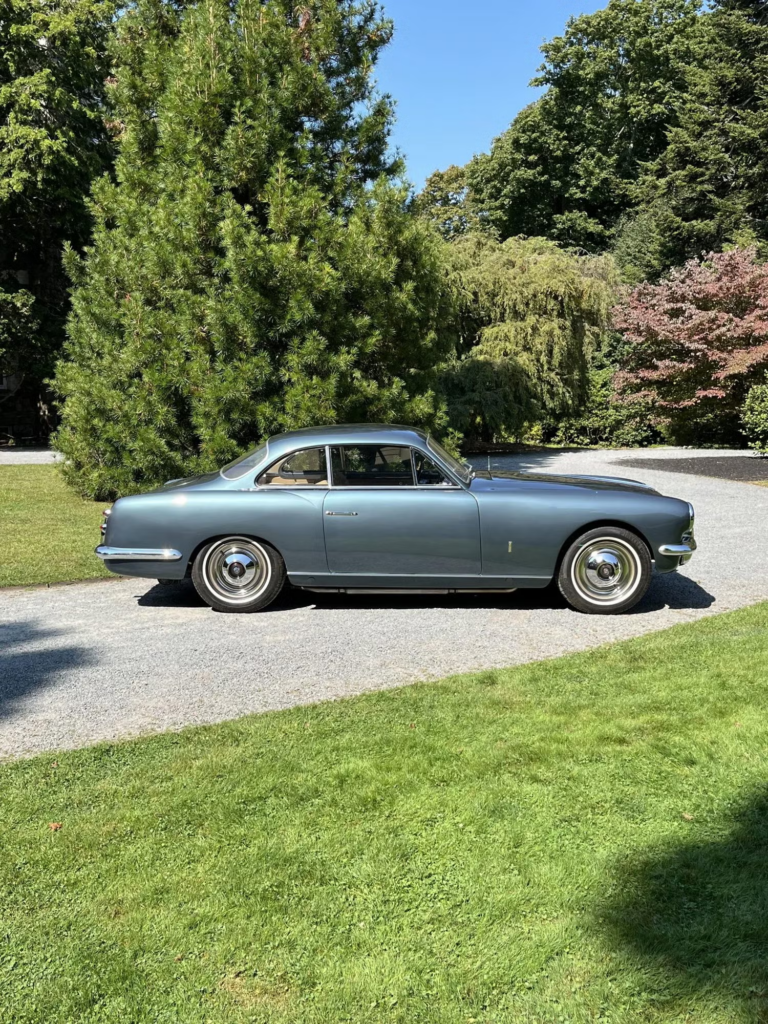
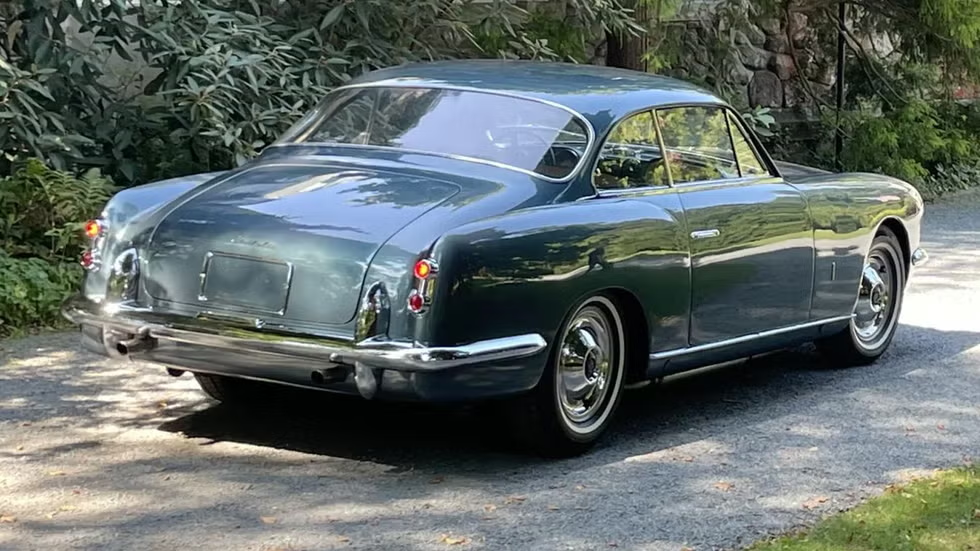
As we navigate the highly digitized and often electrified automotive landscape of 2025, it’s easy to get lost in the relentless pursuit of the next big thing. Yet, sometimes, the most compelling narratives reside in the rich tapestry of history, particularly in the “what if” scenarios that shaped the industry. One such tale, resurfacing with renewed prominence, revolves around a truly magnificent piece of automotive heritage: the 1953 Cisitalia 808XF Coupe Prototype. This isn’t just a car; it’s a tangible link to a pivotal moment in Ford’s history, an ambitious Italian-American design collaboration that almost birthed the brand’s first true sports car, predating even the iconic Thunderbird. For collectors, investors, and enthusiasts alike, understanding this prototype’s journey offers profound insights into classic car investment, the evolution of design, and the often-unpredictable currents of the luxury sports coupe market.
Detroit’s Awakening: The Early 1950s Landscape
The early 1950s in America were a time of booming post-war prosperity, a burgeoning middle class, and an insatiable appetite for new consumer goods, including automobiles. While Detroit’s behemoths – Ford, General Motors, and Chrysler – dominated with their ever-larger, chrome-laden sedans, a quiet revolution was brewing. European sports cars, particularly nimble British MGs and sophisticated Jaguar XKs, were steadily carving out a niche, captivating American servicemen returning from overseas and a growing segment of affluent buyers seeking something more expressive than a domestic cruiser. These imported, often two-seater, open-top machines offered a thrill and a distinct style that Detroit was, for the most part, not providing.
At Ford, the astute and forward-thinking Henry Ford II, affectionately known as “The Deuce,” was acutely aware of this shifting tide. He recognized that if Ford were to remain competitive and appeal to a broader, more aspirational demographic, it needed to enter the sports car arena. The challenge was multifaceted: how to design and produce a vehicle that embodied the spirited performance and elegant aesthetics of European rivals, yet could be built and sold at a volume and price point acceptable to the American market? This strategic conundrum set the stage for one of the most intriguing, albeit ultimately unrealized, partnerships in Ford’s storied past. The initial inclination was not to develop something entirely in-house but to leverage established European expertise, a common tactic for American manufacturers seeking to rapidly enter new market segments. This approach also offered a shortcut to acquiring the intangible “European flair” that Detroit sometimes struggled to replicate authentically.
Cisitalia’s Storied Pedigree: A Name that Echoes Excellence
To understand the weight of the Cisitalia proposal, one must first appreciate the pedigree of the brand itself. While not a household name like Ferrari or Maserati, Cisitalia (Compagnia Industriale Sportiva Italia) holds a revered place in automotive heritage. Founded in Turin in 1946 by industrialist Piero Dusio, Cisitalia quickly established itself as a producer of exquisite, high-performance racing and road cars. Their early models, particularly the Cisitalia 202 GT, designed by Pininfarina, were lauded for their groundbreaking styling and engineering prowess. The 202, in fact, is often cited as a seminal work of industrial design, a permanent fixture in the Museum of Modern Art’s collection.
Cisitalia’s brief but brilliant existence was marked by extraordinary talent. Legendary racing driver Tazio Nuvolari piloted Cisitalia racing cars to victory, etching the brand’s name into motorsport folklore. Perhaps even more significantly, the brilliant Dr. Ferry Porsche, son of Ferdinand Porsche, worked extensively for Cisitalia. His work on the innovative Type 360 Grand Prix car—a four-wheel-drive, mid-engine marvel—was so instrumental that the payment for his services effectively paid for his father Ferdinand’s bail after his post-WWII imprisonment. This anecdote alone underscores the caliber of engineering and design thinking that characterized Cisitalia, positioning it as a hotbed of bespoke automotive design and advanced thinking. When Henry Ford II himself owned a Cisitalia 202 GT, it wasn’t just a personal indulgence; it was an acknowledgment of automotive excellence from a discerning visionary. He saw in Cisitalia not just beauty, but the potential for a new paradigm in Ford’s vehicle offerings.
The 808XF Genesis: A Fusion of Worlds
The idea was simple yet audacious: combine the proven power and reliability of Ford’s American powertrains with the undeniable artistry and lightweight construction of Italian coachwork. This “Karmann Ghia-esque” formula, famously executed by Volkswagen a few years later, held immense appeal. For Ford, it promised a quicker route to market entry for a sports car, bypassing the substantial investment in design and tooling for a completely new body. The chosen partner, Cisitalia, through its internal design team led by Giovanni Savonuzzi and with construction outsourced to the renowned Ghia coachworks, presented a compelling vision: the 1953 Cisitalia 808XF Coupe Prototype.
Savonuzzi, a brilliant aeronautical engineer turned automotive designer, brought a scientific yet artistic approach to car design, focusing on aerodynamics and elegant proportions. The collaboration with Ghia, celebrated for its exquisite craftsmanship and ability to translate complex designs into stunning realities, was a natural fit. This division of labor – American mechanicals, Italian design, and Italian coachbuilding – represented the epitome of transatlantic cooperation in the post-war era. The result was a sleek, low-slung coupe, instantly recognizable as a product of Turin’s design sensibility, yet conceived with the American road in mind. It was a tangible manifestation of a Detroit-Turin collaboration that, had it gone into production, would have reshaped the narrative of early Ford sports car designs.
Engineering an Italian-American Grand Tourer
Underneath its exquisite Ghia-penned skin, the 808XF Prototype was a fascinating blend of components designed for performance and practicality on American roads. Power was sourced from a robust 256-cubic-inch Mercury flathead V-8, a formidable engine for its era, delivering a distinctive rumble and ample torque. This particular unit was equipped with twin carburetors, hinting at a desire for enhanced power output suitable for a grand touring application. While the original intention for the prototype leaned towards an automatic transmission – emphasizing its role as a comfortable grand tourer rather than an out-and-out sports car – the surviving example now features a three-speed column-shift manual, a detail that adds to its mechanical allure for classic car enthusiasts.
The chassis design was equally intriguing. Up front, a Mercury-sourced double wishbone suspension provided a degree of sophistication and ride comfort superior to many contemporary American offerings. At the rear, a De Dion axle, incorporating Lincoln components, was a truly advanced choice for 1953. De Dion systems offer excellent wheel articulation and reduced unsprung weight, contributing to superior handling and ride quality. This combination of Mercury and Lincoln parts highlighted Ford’s intention to utilize existing, robust mechanicals to keep costs down and simplify serviceability, even within a largely custom Italian body. Braking was handled by drums at all four corners, standard for the period, but indicative of a vehicle designed for more leisurely, high-speed cruising rather than aggressive track performance. This thoughtful amalgamation of components points to a clear design brief: a comfortable, powerful, and stylish luxury sports coupe capable of crossing continents in style – an Italian-American grand tourer in the truest sense.
The American Evaluation & The Thunderbird’s Ascent
The 808XF Prototype made its transatlantic journey to the United States in 1952, arriving at Ford’s Dearborn facilities for rigorous evaluation. Ford’s engineers and executives meticulously scrutinized every aspect of the car, from its structural integrity to its performance characteristics and, crucially, its projected manufacturing costs. While the car’s styling was undeniably captivating and its performance promising, the economic realities of mass production quickly came into sharp focus.
Ford’s internal assessment, though not publicly detailed, likely concluded that bringing such a highly specialized, coachbuilt vehicle to the American mass market would simply be too expensive. The intricate, hand-formed aluminum bodywork, the complex logistics of sourcing components and assembly across continents, and the inherent inefficiencies of a low-volume production model made it unfeasible for Ford’s ambitions. The vision of a truly affordable sports car for the American public, a direct competitor to the European imports, couldn’t be realized through this bespoke Italian collaboration. The cost per unit, even with American mechanicals, would have pushed its retail price into a segment far above where Ford wanted to compete.
Instead, Ford pivoted. The project for a sports car moved in-house, leading to the rapid development of what would become one of the most beloved and recognizable American automobiles of all time: the Ford Thunderbird. Launched in 1955, the Thunderbird was a wholly domestic product, built on existing Ford platforms, designed in Dearborn, and manufactured entirely in the U.S. It offered a compelling blend of sporty styling, V-8 power, and creature comforts at a price point that made it widely accessible. While the Thunderbird became a smashing success, the Cisitalia 808XF Coupe Prototype remained a fascinating testament to a different path Ford almost took, a pre-Thunderbird development that highlights the diverse strategies considered by the automaker.
A Survivor’s Tale: From Prototype to Prized Possession
Following its evaluation by Ford, the 808XF Prototype was deemed redundant for production. Rather than being discarded, however, it embarked on an extraordinary journey of preservation. Offered for sale in the pages of Road & Track magazine for $7,500 – an astronomical sum for a used car in the mid-1950s – it quickly found a new home. Displayed for a time in New York City, it was eventually purchased by the uncle of its current long-term owner, entering a family that would cherish it for over half a century. This incredible continuity of ownership is a rare gift for any historic vehicle, especially a one-off prototype, providing an unbroken chain of provenance that significantly enhances its value and mystique.
Throughout its lengthy tenure with the same family, the Cisitalia 808XF was lovingly maintained and eventually treated to a comprehensive restoration. This award-winning restoration was undoubtedly a monumental undertaking, requiring meticulous research, specialized craftsmanship, and an unwavering commitment to authenticity. Bringing a unique prototype back to its original glory demands an expert understanding of 1950s automotive materials and techniques, ensuring that every detail, from the paint finish to the interior upholstery, reflects its nascent state. The culmination of this dedication was evident when the car graced the prestigious Greenwich Concours d’Elegance, where it predictably garnered significant accolades, a testament to its intrinsic beauty and the quality of its preservation.
The 808XF in 2025: A Beacon for Collectors & Enthusiasts
Fast forward to 2025, and the Cisitalia 808XF Coupe Prototype stands as more than just a historical artifact; it’s a profound statement in the collector car market. In an era where vintage car investment is booming and the appetite for truly unique pieces of automotive history is stronger than ever, this prototype represents an unparalleled opportunity. Platforms like Bring a Trailer (where this car recently surfaced for auction) have democratized access to rare classic cars, bringing these exceptional vehicles to a global audience of discerning buyers.
For classic car investors, the 808XF ticks every box:
Unrivaled Rarity: It is a one-off prototype, guaranteeing exclusivity.
Historical Significance: Its direct link to Ford’s early sports car aspirations and the Thunderbird’s genesis is immeasurable.
Design Pedigree: The combined genius of Cisitalia, Giovanni Savonuzzi, and Ghia places it firmly among the great Italian designs.
Mechanical Intrigue: The fusion of American muscle (Mercury flathead) with sophisticated European chassis elements (De Dion axle) makes it mechanically fascinating.
Proven Authenticity & Restoration Quality: Long-term family ownership and an award-winning restoration provide impeccable provenance and presentation.
In 2025, the demand for vehicles with a compelling story, impeccable provenance, and undeniable beauty continues to drive the collector vehicle appreciation segment. The Cisitalia 808XF embodies the very essence of a “grail” car – a vehicle that not only captures the imagination but also offers a tangible return on investment, reflecting current classic car market trends. It serves as a reminder that the value of automotive objects isn’t solely in their performance specifications, but often in the dreams, the decisions, and the unbuilt possibilities they represent. Its existence offers a unique window into the competitive pressures and design philosophies that shaped a golden age of automotive innovation.
The Enduring Legacy of “What Ifs”
The story of the 1953 Cisitalia 808XF Coupe Prototype is a powerful lesson in the “what if” scenarios that pepper automotive history. It reminds us that for every iconic car that makes it to production, there are countless visionary concepts and prototypes that, for various reasons, never see the light of day. These vehicles are not failures; rather, they are critical stepping stones, experiments in design and engineering that inform future projects and push the boundaries of what is possible.
In 2025, as major manufacturers continue to explore collaborations with design houses for limited-run specials and concept vehicles, the spirit of the Cisitalia-Ford proposal lives on. The idea of leveraging specialized expertise for unique, aspirational products remains as relevant as ever. The 808XF is a physical embodiment of a dream, a bold idea to blend Italian artistry with American engineering might, a proto-Thunderbird that offers a glimpse into an alternate automotive timeline. It’s a testament to the fact that sometimes, the most captivating narratives are not about what was, but what could have been.
Uncover More Automotive Legends
The 1953 Cisitalia 808XF Coupe Prototype is a compelling example of the untold stories and hidden gems waiting to be discovered in the vast world of automotive heritage. Its recent visibility through platforms like Bring a Trailer underscores the vibrant and dynamic nature of the 2025 collector car market. If you’re captivated by the intersection of groundbreaking design, historical significance, and rare prototype valuation, we invite you to delve deeper into the archives of automotive innovation. Explore more articles like this, engage with fellow enthusiasts, and consider how these extraordinary vehicles continue to shape our understanding of design, engineering, and the enduring passion for the automobile. Your next journey into the annals of automotive excellence awaits.