



Unveiling the 2026 Nissan Rogue PHEV: A Paradigm Shift for the Compact SUV Segment
For over a decade, the Nissan Rogue has been an undeniable cornerstone of the American automotive landscape, a steadfast contender in the fiercely competitive compact SUV arena. Its consistent appeal has been built on a foundation of practicality, accessible technology, and reliable performance. But as we navigate the rapidly evolving automotive terrain of 2025, the traditional rulebook is being rewritten, with electrification driving much of the innovation. Having tracked this segment closely throughout my career, I can confidently say that Nissan’s latest gambit – the 2026 Rogue Plug-in Hybrid Electric Vehicle (PHEV) – isn’t just an incremental update; it’s a strategic pivot designed to redefine the Rogue’s place in a greener, more connected future. This isn’t merely a hybrid; it’s a statement, pushing the boundaries of what a mainstream compact SUV can deliver, merging the best of both EV and gasoline worlds with remarkable seamlessness.
The Electrified Heartbeat: Nissan’s EV Expertise Redefined for the Rogue
The most significant headline for the 2026 Rogue PHEV is its deep dive into Nissan’s considerable electric vehicle expertise. This isn’t just a conventional hybrid tacked onto an existing platform; it’s a meticulously engineered system designed from the ground up to offer an “EV-first” driving experience. In an era where consumers are increasingly demanding sustainable automotive technology without compromising on capability or convenience, the Rogue PHEV arrives as a compelling answer. From my vantage point, having witnessed the initial skepticism surrounding EVs evolve into widespread adoption, Nissan’s decision to imbue the Rogue PHEV with attributes previously reserved for pure battery-electric vehicles is a masterstroke.
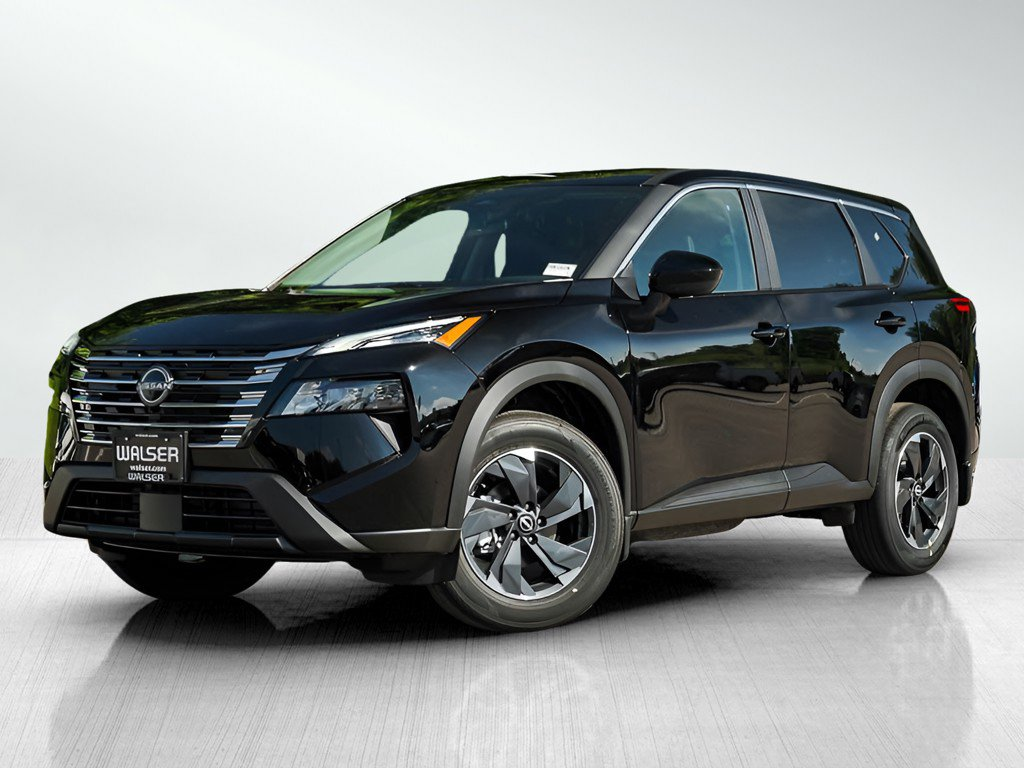
The heart of this transformation lies in its sophisticated powertrain, a system that shares its foundational architecture with the highly regarded Mitsubishi Outlander PHEV. This collaborative approach leverages proven technology, offering a robust and reliable setup. The 2.4-liter I-4 engine, producing a healthy 131 horsepower, serves as a crucial component, but it’s the dual electric motors – driving the front and rear axles independently – that truly orchestrate the magic. This configuration results in a potent combined output of 248 horsepower and a substantial 332 lb-ft of torque. What’s truly revolutionary, however, is how this power is delivered. The primary drive responsibility falls squarely on the electric motors, granting the Rogue PHEV an immediate, silent surge of acceleration characteristic of a pure EV. This torque-rich delivery translates into confident highway merging and brisk city driving, dispelling any notions of a compromised hybrid experience.
A standout feature, directly inherited from Nissan’s dedicated EV lineage like the 2026 Leaf and 2025 Ariya, is the introduction of “e-Step” one-pedal driving. For those unfamiliar, this technology allows the driver to accelerate and decelerate predominantly using only the accelerator pedal. Lifting off the pedal initiates regenerative braking, slowing the vehicle down and simultaneously recuperating energy back into the battery pack. This not only enhances fuel efficiency but also significantly reduces driver fatigue, particularly in stop-and-go urban traffic. It’s an intuitive system that, once experienced, becomes an indispensable part of the driving pleasure. This innovation underscores Nissan’s commitment to naturally distributing advanced driver-assistance systems (ADAS) and EV functionalities across its diverse lineup, solidifying the Rogue PHEV’s position as a next-gen SUV.
While the electric motors handle the lion’s share of propulsion, the 2.4-liter engine is no mere bystander. It can seamlessly engage to drive the front wheels directly through a single-speed clutch when demanding conditions necessitate it, such as sustained high-speed cruising or when the battery charge is low. More often, however, the engine operates as a highly efficient onboard generator, consistently replenishing the 20-kWh battery pack or supplying direct electrical power to the traction motors. This intelligent power management system is key to the vehicle’s impressive around 420 miles of total range, offering drivers the best of both worlds: substantial electric-only driving for daily commutes and the extended range of a gasoline engine for longer journeys, effectively addressing the “EV range extender” concern for many potential buyers.
Navigating the Charging Landscape: Realities and Opportunities in 2025

The promise of electrification often comes with questions about charging infrastructure, and the 2026 Nissan Rogue PHEV, while embracing the electric future, navigates this evolving landscape with a pragmatic approach. In 2025, while the North American Charging Standard (NACS) is rapidly gaining traction and becoming the preferred port for many pure EVs, the Rogue PHEV will continue to utilize the widely established J1772 charging port. This decision, while perhaps surprising to some, reflects the current realities of the PHEV market.
PHEVs, by their nature, are designed for flexibility. They aren’t solely reliant on public charging infrastructure in the same way pure EVs are, thanks to their gasoline engine. The J1772 port is ubiquitous at Level 2 (220-volt AC) public charging stations across the United States, and it remains the standard for residential Level 2 installations. The trade-off, however, is the absence of DC fast charging capabilities. This isn’t a critical limitation for the Rogue PHEV, primarily because its gasoline engine can serve as an on-demand generator, alleviating range anxiety and negating the urgent need for rapid battery replenishment on the go. This design philosophy emphasizes convenience and broad compatibility over ultra-fast charging speeds, aligning with the typical usage patterns of PHEV owners who primarily charge at home or work.
For home charging, a Level 2, 220-volt AC charger will take approximately 7.5 hours to fully replenish the 20-kWh battery pack, owing to its 3.5-kW onboard charger. This duration is perfectly suited for overnight charging, allowing owners to start each day with a full electric range. For those without immediate access to a Level 2 setup, a standard 120-volt household outlet can also be used, though at a slower rate of around 1.7 to 1.8 kW, extending the full charge time to roughly 16 hours. This flexibility in charging options is a significant advantage, ensuring that the benefits of plug-in hybrid ownership are accessible to a broader audience, regardless of their home charging infrastructure. It’s a pragmatic approach to PHEV charging infrastructure that prioritizes practicality and widespread accessibility in the current market climate.
Beyond the Powertrain: Elevated Comfort, Versatility, and Connected Tech
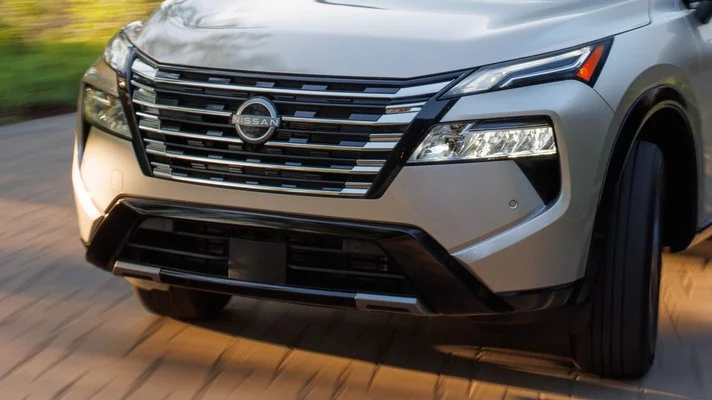
The 2026 Nissan Rogue PHEV isn’t just about what’s under the hood; it’s a holistic enhancement of the Rogue experience, focusing on elevating comfort, versatility, and advanced technology that resonate with the modern American family. From my years observing consumer trends, I’ve seen a clear demand for greater passenger capacity without sacrificing the compact footprint – a challenge the new Rogue PHEV tackles head-on.
A significant new feature for the Rogue is its standard three-row configuration, expanding seating capacity for up to seven people. This immediately sets it apart in the compact PHEV SUV class, offering a practical solution for growing families or those who occasionally need extra seating for carpooling or weekend excursions. While the third row, as is typical for this segment, is best suited for two smaller individuals or children, its mere presence adds a layer of invaluable flexibility. The second row further enhances this versatility, offering slide and recline functions for optimal passenger comfort and a practical 40/20/40 split-folding capability, providing easy access to the rearmost seats or expanding cargo space as needed. This modular interior design is a testament to Nissan’s understanding of family-friendly PHEV requirements, ensuring that the vehicle adapts to diverse lifestyle needs.
Inside, the cabin is a hub of advanced connectivity and intuitive design. The prominent 9.0-inch infotainment screen, now standard, boasts wireless Apple CarPlay and wired Android Auto, catering to the ubiquitous smartphone integration demands of today’s drivers. This isn’t just about entertainment; it’s about seamless navigation, communication, and access to a wealth of applications. Complementing this is a crisp 12.3-inch digital driver display, also standard, offering a wealth of reconfigurable information, from power flow and energy consumption to navigation directions. Taking convenience a step further, a 10.0-inch head-up display projects critical driving data – speed, directions, safety alerts – directly onto the windshield, minimizing driver distraction and enhancing overall awareness. These features position the Rogue PHEV at the forefront of connected car technology in its segment.
Stepping up to the Platinum trim truly elevates the experience. It adds a pair of 120-volt, 1.5-kW power outlets – one conveniently located for rear-seat occupants and another in the cargo area. These are invaluable for charging laptops, powering camping gear, or running small appliances, transforming the Rogue into a mobile power hub. These join the standard front and rear USB A and C outlets, ensuring everyone stays connected and charged. Audiophiles will appreciate the premium Bose nine-speaker sound system, which transforms the cabin into a concert hall. Imagine enjoying your favorite podcast or playlist in the serenity of the Rogue’s full EV mode, quietly cruising for up to 38 miles on electric power alone – a truly premium experience that allows you to savor the reduced carbon footprint SUV.
A Shield of Safety and Intelligent Assistance
In 2025, safety and driver-assistance systems are no longer luxuries; they are fundamental expectations. The 2026 Nissan Rogue PHEV delivers comprehensively in this regard, featuring a standard suite of Nissan Safety Shield 360 technologies. This robust package includes automatic emergency braking with pedestrian detection, rear automatic braking, blind-spot warning, rear cross-traffic alert, lane departure warning, and high beam assist. This comprehensive array of features provides a 360-degree virtual shield around the vehicle, actively working to prevent collisions and mitigate their severity.
Further enhancing driver confidence is the inclusion of ProPilot Assist 1.1, Nissan’s advanced Level 2 driver-assist system. This technology seamlessly integrates steering, braking, and acceleration support, taking much of the strain out of highway driving. While it doesn’t offer the hands-free capabilities of more advanced Level 2+ systems, its intelligent intervention significantly reduces driver fatigue on long journeys and in heavy traffic. My experience tells me that such systems are pivotal in improving road safety and overall driving enjoyment.
Parking and low-speed maneuvers are made effortlessly simple with the standard Intelligent Around View Monitor with Moving Object Detection. This system provides a comprehensive 360-degree bird’s-eye view of the vehicle’s surroundings, displayed clearly on the infotainment screen. The added moving object detection feature alerts the driver to any unexpected obstacles or pedestrians, ensuring unparalleled confidence and safety in tight spaces. These integrated technologies underscore the Rogue PHEV’s commitment to providing a secure and stress-free driving experience, cementing its position among the best plug-in hybrid SUV options for safety-conscious buyers.
The 2026 Rogue PHEV: A Forward-Thinking Value Proposition
The arrival of the 2026 Nissan Rogue PHEV marks a pivotal moment for Nissan and for the compact SUV segment as a whole. It’s a vehicle that expertly marries the immediate benefits of electric propulsion with the unwavering reliability and range of a gasoline engine, all wrapped in a practical, feature-rich package. From its innovative EV-first driving dynamics and one-pedal operation to its expanded three-row seating and cutting-edge technology, the Rogue PHEV is engineered to meet the evolving demands of today’s discerning consumers.
This is more than just a new powertrain; it’s a strategic move that positions the Rogue as a genuine contender for families and individuals looking to embrace electrification without compromise. It offers the enticing prospect of significantly reduced fuel costs through regular electric driving, potential qualification for electric vehicle tax credit incentives, and a substantial reduction in one’s carbon footprint. The enhanced driving experience, coupled with Nissan’s commitment to safety and innovation, ensures that the 2026 Rogue PHEV is not just relevant for 2025 but poised to shape the future of hybrid cars.
Are you ready to experience the next evolution of the compact SUV? Don’t just read about the future—drive it. We invite you to explore the 2026 Nissan Rogue PHEV further, schedule a test drive, and discover how this innovative vehicle can transform your daily commute and weekend adventures. Visit your local Nissan dealership or explore our website today to learn more about pricing, trim levels, and the benefits of plug-in hybrid ownership.